A Man Was Murdered Inside This $90,066 St. Paul House. Now It's for Sale
September 25, 2026 · By Roy Condrey
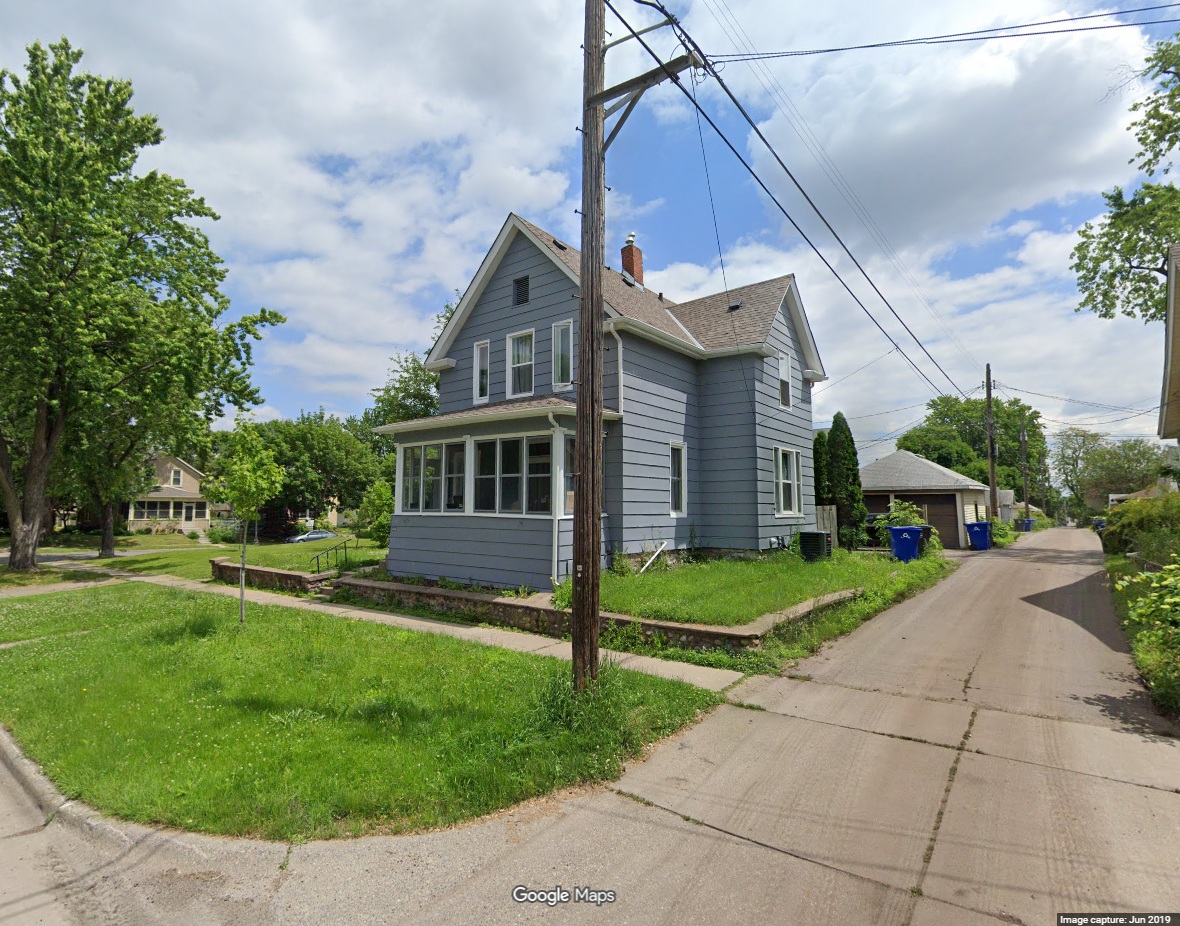
468 Bellows Street has dropped from $181,000 to $90,066 in 2026. The condemned, lender-owned St. Paul house also has a documented history that dates back to a 2013 murder inside an upstairs bedroom.
468 Bellows Street, Saint Paul, Minnesota 55107, is currently listed for $90,066 after starting 2026 at $181,000. But there is another chapter in the property's history that isn't mentioned in the public listing: a 26-year-old Minnesota National Guard staff sergeant was murdered inside the house in 2013.
There are things a home inspection can uncover.
There are things an appraisal can tell you.
And then there are things you may only discover by researching the history of the address.
468 Bellows Street in Saint Paul, Minnesota, is a striking example.
The 1906 house is currently on the market for just $90,066, according to current real-estate listings on Realtor.com and Zillow.
The public description calls it a home with "classic character" in St. Paul.
It also tells prospective buyers something extremely important: the property is a Category 2 vacant building, condemned by the City of Saint Paul, with no certificate of occupancy. MLS data additionally identifies it as lender-owned.
But there is another significant part of the property's history that does not appear in the public listing remarks.
In 2013, Brandon Horst was murdered inside the house.
And unlike many properties connected to decades-old crimes, 468 Bellows Street is actually for sale right now.
What Happened at 468 Bellows Street?
Shortly after midnight on August 5, 2013, Brandon Horst was sleeping in an upstairs bedroom of the St. Paul home he shared with his wife, Heather Horst.
Brandon was 26 and served as a staff sergeant with the Minnesota National Guard.
According to the Minnesota Supreme Court's decision in State v. Horst, Aaron Allen entered the bedroom where Brandon was sleeping, leaned through the doorway and shot him once in the head.
Allen then fled the house.
Heather Horst later returned to the residence and called 911 to report her husband's death.
The case ultimately resulted in convictions connected to both Allen and Heather Horst. Allen pleaded guilty to second-degree intentional murder and agreed to testify against Heather.
A Ramsey County jury subsequently convicted Heather Horst of aiding and abetting first-degree premeditated murder, among other charges. She was sentenced to life in prison without the possibility of release.
In 2016, the Minnesota Supreme Court affirmed Heather Horst's conviction.
The Plot to Kill Brandon Horst
Court records provide considerably more detail about what happened before and after the shooting.
According to the Minnesota Supreme Court's account of the evidence presented at trial, Allen went upstairs to the bedroom where Brandon was sleeping and shot him once in the head.
Afterward, Allen sent Heather Horst a message indicating that it was done.
Heather Horst and another person then picked Allen up. The group drove away, and Allen disposed of the gun. Heather later returned to the Bellows Street house and called 911.
Prosecutors alleged that money was part of the motive. CBS News reported that Heather Horst stood to receive approximately $480,000 from life-insurance policies following Brandon's death.
Heather Horst maintained at trial that Allen had acted independently, but the jury rejected that defense.
The Minnesota Supreme Court later determined that the evidence was sufficient to support her first-degree premeditated murder conviction.
More Than 13 Years Later, the House Is for Sale
Today, 468 Bellows Street has returned to the real-estate market.
The house was built in 1906 and is located in Saint Paul's West Side area.
As of late September 2026, current real-estate data continued to show the property for sale at $90,066. You can see the property's current and historical listing information through Zillow and Realtor.com.
What makes the listing especially interesting is its price history.
468 Bellows Street 2026 Listing History
January 2026 — $181,000
March 3, 2026 — $144,800
July 21, 2026 — $115,840
September 2026 — $90,066
The house has therefore dropped $90,934 from its initial $181,000 asking price — a reduction of just over 50 percent.
But there is an important distinction.
Did the Murder Cause the Price to Drop?
There is no evidence that it did.
That would be an easy conclusion to draw from the history of the property, but it would also be misleading.
The current listing identifies several substantial issues that could affect the property's marketability and value.
The house is described as a Category 2 vacant building.
It is condemned by the City of Saint Paul.
It has no certificate of occupancy.
And MLS data identifies the property as lender-owned.
Those are significant factors independent of anything that happened inside the property in 2013.
The extraordinary price decline is therefore noteworthy, but the available evidence does not establish that the homicide caused it.
That isn't really the most interesting part of this story anyway.
The more important question for a prospective buyer is:
Would you know what happened here simply by looking at the house and reading the listing?
What the Current Listing Tells Buyers — and What It Doesn't
The public listing does disclose the property's present physical and regulatory problems.
That's important.
But the public remarks reviewed by DiedInHouse.com do not mention Brandon Horst or the 2013 homicide.
Instead, the marketing description discusses the home's character, natural light, location and its Category 2 vacant-building and condemned status.
That creates an almost textbook example of the difference between researching a property's condition and researching its history.
A home inspection may identify structural, electrical, plumbing, roofing or other physical problems.
An appraisal may help determine market value.
A title search can reveal ownership and certain liens or encumbrances.
But none of those automatically answers a very different question:
What happened at this address before I bought it?
In this case, researching the address leads all the way to a Minnesota Supreme Court decision documenting a murder inside the home.
That's why researching a property's history can be an important additional step in the home-buying process.
DiedInHouse.com was created specifically to help consumers research the history of a property before buying or renting.
Does Minnesota Require a Seller to Disclose a Death in a House?
Minnesota law makes this story even more interesting.
Minnesota generally requires sellers of residential real estate to disclose known material facts that could adversely and significantly affect an ordinary buyer's use or enjoyment of the property.
You can read the requirement directly in Minnesota Statutes § 513.55.
But Minnesota law also contains specific exceptions.
Under Minnesota Statutes § 513.56, sellers do not have a statutory duty under that section to disclose that residential property was the site of a suicide, accidental death, natural death or perceived paranormal activity.
Notice something missing from that list:
Homicide.
The statute's wording is therefore more nuanced than simply saying that "deaths don't have to be disclosed in Minnesota."
Disclosure obligations can depend on the circumstances and other legal principles, so buyers or sellers with questions about a particular transaction should consult a qualified Minnesota real-estate professional or attorney.
The broader lesson remains the same:
Do not assume that every event in a property's history will appear in an online real-estate listing or standard home-buying paperwork.
A Home Can Have Two Very Different Histories
Every house has a physical history.
Roofs are replaced. Furnaces fail. Foundations move. Pipes leak. Kitchens are renovated.
But houses also have a human history.
People lived there.
Families moved in and out.
Properties changed hands.
And sometimes events occurred at an address that a future buyer might consider important.
468 Bellows Street has both.
Its current condition is serious enough that the listing itself warns buyers that the property is condemned and lacks a certificate of occupancy.
Its documented history includes something entirely different: the 2013 murder of Brandon Horst inside an upstairs bedroom.
One fact doesn't replace the other.
A prospective buyer may want to know both.
Inspection + Appraisal + Property History
Most buyers would never consider skipping a home inspection.
Many transactions also require an appraisal.
But researching the history of the address can answer questions neither service was designed to answer.
Before buying or renting a home, consider researching available records associated with the address for information involving:
-
Reported deaths
-
Violent crimes
-
Fires
-
Previous residents and ownership
-
Drug or meth-lab activity
-
Sex-offender information
-
Other documented events or property stigmas
No single database or search should be considered a complete history of a property. Public records vary by jurisdiction, time period and availability.
The goal is to know more before making one of the largest financial decisions of your life.
You can begin by searching an address at DiedInHouse.com.
The Question We'd Ask Before Buying 468 Bellows Street
Imagine finding this house online without knowing its history.
You see a 1906 St. Paul home.
You see the dramatically reduced $90,066 asking price.
You see the warning that it is condemned and requires substantial work.
Those facts alone would justify considerable due diligence.
But would you also want to know that a man was murdered in an upstairs bedroom of the house in 2013?
For some buyers, that information might not change anything.
For others, it could change everything.
That's exactly why property-history research matters.
Before You Buy the House, Research the Address
A home inspection can tell you about the house you are buying today.
An appraisal can help tell you what it may be worth today.
Property-history research can help tell you what happened there before you arrived.
Before buying, renting or investing in a property, search the address at DiedInHouse.com to research available property-history information.
Because sometimes the most important thing about a house isn't visible during the showing.
Frequently Asked Questions About 468 Bellows Street
Was someone murdered at 468 Bellows Street in Saint Paul?
Yes. Brandon Horst was murdered inside the home on August 5, 2013. Aaron Allen shot Horst while Horst was sleeping in an upstairs bedroom. Heather Horst, Brandon's wife, was later convicted of aiding and abetting first-degree premeditated murder and other charges. Her conviction was subsequently affirmed by the Minnesota Supreme Court.
Is 468 Bellows Street currently for sale?
Yes. As of late September 2026, real-estate listing data showed 468 Bellows Street, Saint Paul, MN 55107 for sale for $90,066. Buyers can check the [current Realtor.com listing](https://www.realtor.com/realestateandhomes-detail/468-Bellows-St_Saint-Paul_MN_55107_M852
You May Also Like
The Home Was in Foreclosure. Then Two People Were Found Dead Inside.
September 25, 2026 · By Roy Condrey
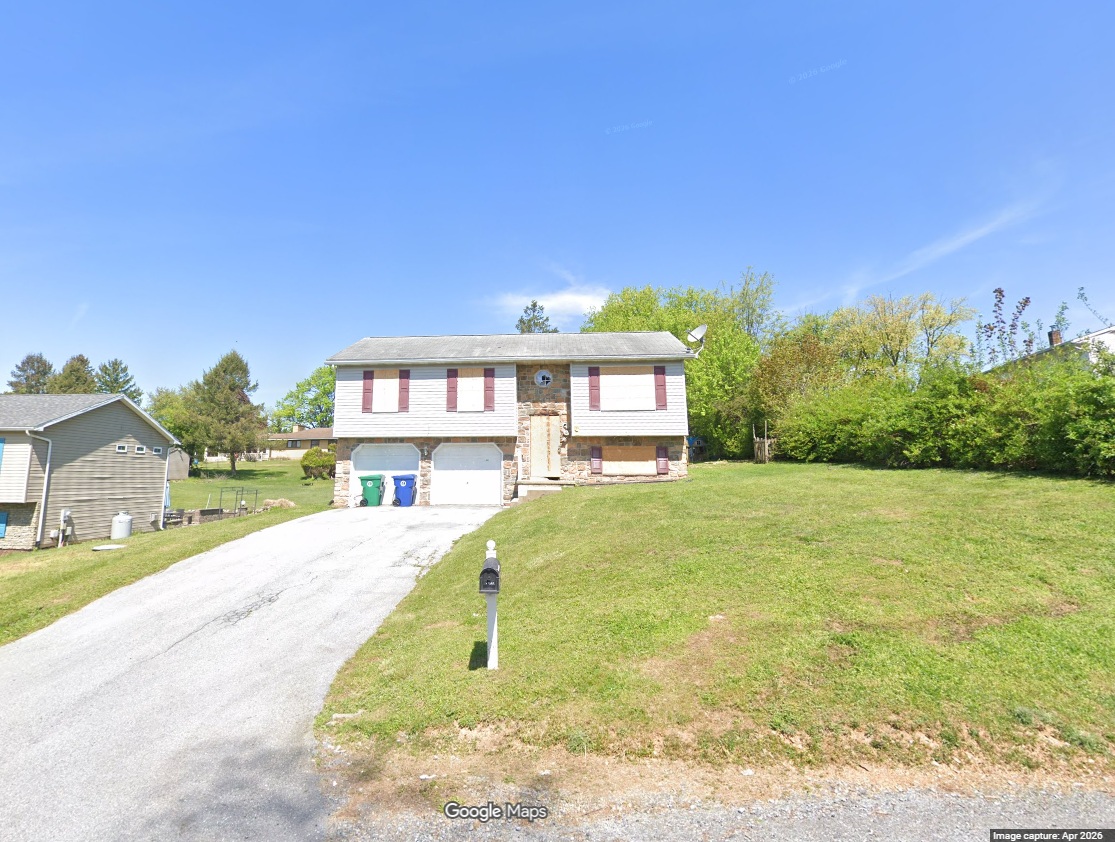
The history of 6524 Fairfax Dr, Harrisburg, PA: foreclosure proceedings, the 2025 death of Gary Gibson, Alysse Saucedo, and three separate fire sources found inside the home.
Boise Murder House: The Dark History of 805 W. Linden Street
September 23, 2026 · By Roy Condrey
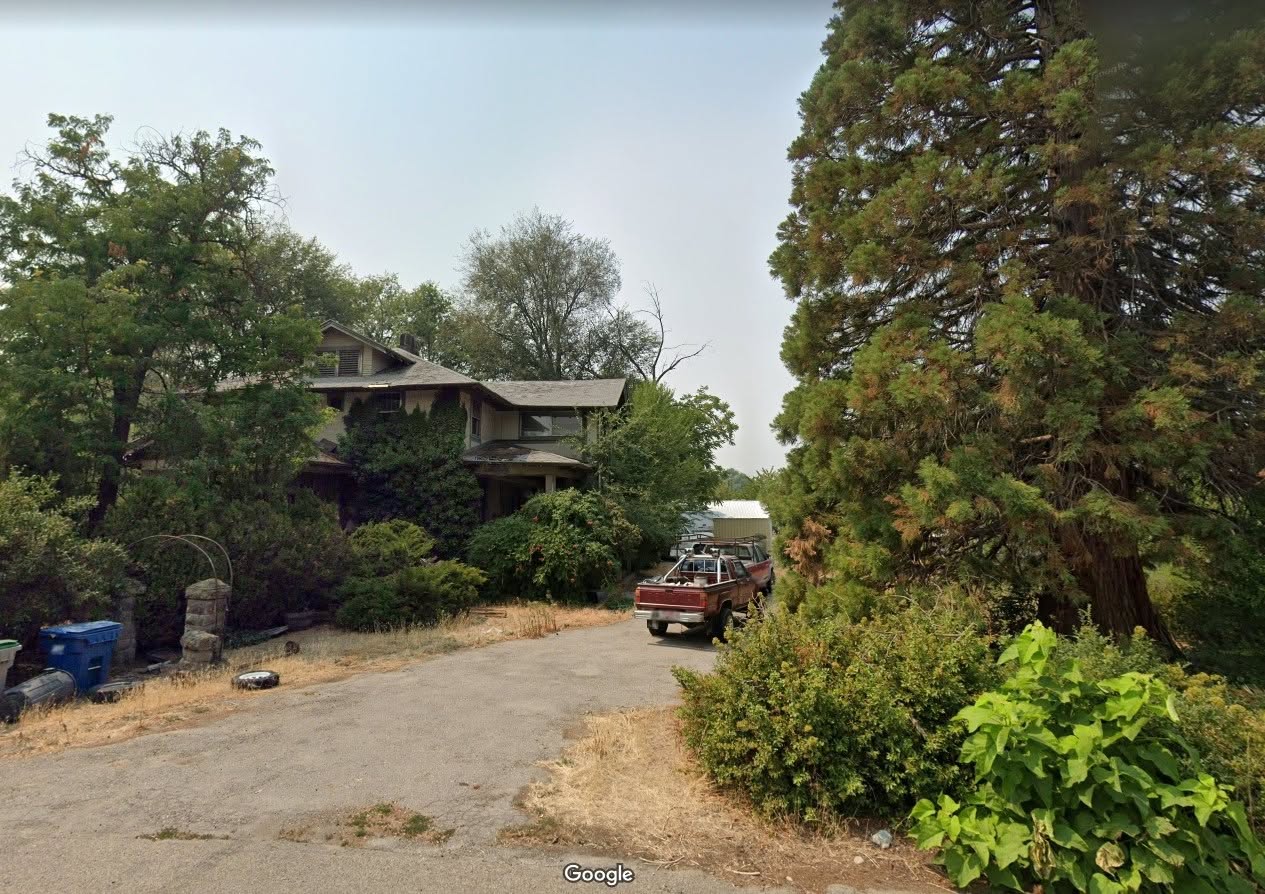
Discover the disturbing history of 805 W. Linden Street in Boise, Idaho, where Preston Murr was murdered in 1987 and local haunting stories later emerged.
45 Toll Gate Road, Glastonbury: Home Where Retired Detective Was Found Dead Returns to Market After Renovation
September 22, 2026 · By Roy Condrey
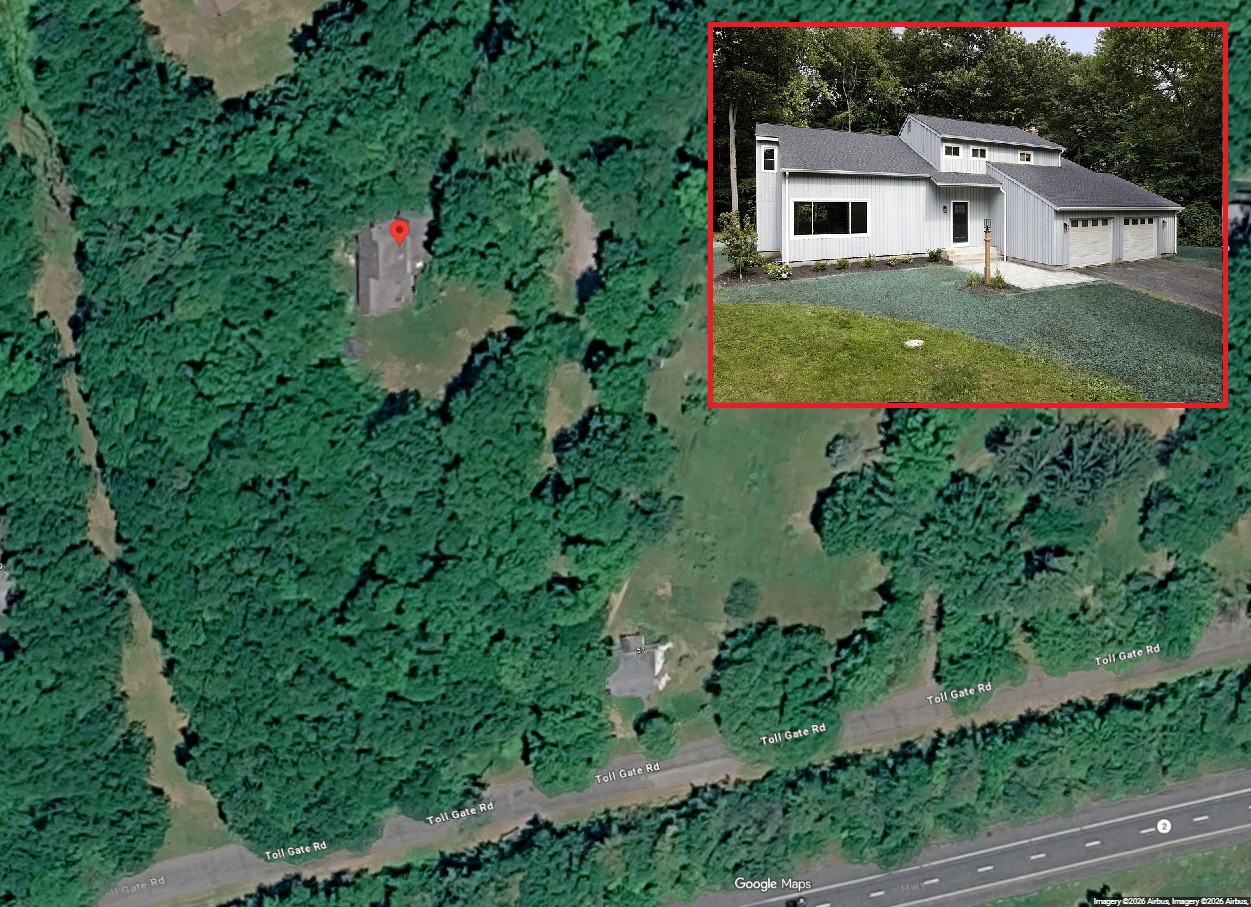
Explore the history of 45 Toll Gate Road in Glastonbury, CT, where retired detective Mary Notarangelo was found dead before the home was renovated and relisted.
Holly Madison’s reportedly haunted Hollywoodland home is now for rent at $9,500 a month
September 22, 2026 · By Roy Condrey
Holly Madison’s reportedly haunted Hollywoodland home at 6311 Heather Drive, Los Angeles, is listed for rent at $9,500 a month. Explore the 1926 Tudor’s history, Madison’s paranormal claims and its Ghost Adventures investigation.
25 Malta St., Boston: $1.15 Million Home Was Pulled From the Market the Day of a Homicide
September 21, 2026 · By Roy Condrey
25 Malta St. in Boston was listed for $1.15 million when 18-year-old Yoseliani Ann Marte Ocasio was fatally shot inside. The listing was removed the same day.
Richard Simmons’ longtime Los Angeles home is under contract after major price cuts
September 21, 2026 · By Roy Condrey
Richard Simmons lived and died at 1350 Belfast Drive in Los Angeles. After listing near $7 million and undergoing multiple price cuts, his longtime Hollywood Hills home is now under contract for $4.995 million.
This Hamptons Estate Was Listed for $12.7 Million. It Sold for $8.35 Million After a Murder Became Part of Its History
September 19, 2026 · By Roy Condrey
Explore the history of 59 Middle Lane in East Hampton, where financier Ted Ammon was murdered in 2001. The estate was later listed for $12.7 million and sold for $8.35 million after its history reportedly discouraged some prospective buyers.
A Man’s Remains Were Found Inside This San Francisco House. Now the Property Is Going to Auction.
September 17, 2026 · DiedinHouse.com
Explore the history of 228 Clara St., San Francisco, where Brian Egg’s remains were found in 2018. The property is now being auctioned for redevelopment.
Kathie Lee and Frank Gifford’s Longtime Connecticut Home Is for Sale for $100 Million
September 16, 2026 · DiedinHouse.com
Explore the history of 108 Cedar Cliff Road in Riverside, Connecticut, the longtime home of Kathie Lee and Frank Gifford. From Frank Gifford’s legendary NFL and broadcasting career to Kathie Lee’s decades in television, the $100 million waterfront estate has a history stretching back long before the famous couple called Cedar Cliff home.
He Bought the House for $80,000. The Next Day, a Neighbor Told Him What Happened in the Bedroom.
September 16, 2026 · DiedinHouse.com
A buyer paid $80,000 for 65 Valley View Drive in Economy, Pennsylvania. The day after closing, a neighbor told him a previous owner had died inside the home.
HGTV Is Renovating Bihl Manor, a $105,000 Ohio Mansion With a Troubled Past
September 15, 2026 · DiedinHouse.com
Explore the history of Bihl Manor at 1213 Buckland Avenue in Fremont, Ohio, the reportedly haunted mansion featured on HGTV's A Very Haunted Renovation.
They Bought the House for $227,000. Then a Neighbor Told Them What Happened Inside.
September 14, 2026 · DiedinHouse.com
A Florida family bought a Lake County home for $227,000, then learned from a neighbor that three people had been killed inside. The story of 39522 Greenbrier Street