He Bought the House for $80,000. The Next Day, a Neighbor Told Him What Happened in the Bedroom.
September 16, 2026 · DiedinHouse.com
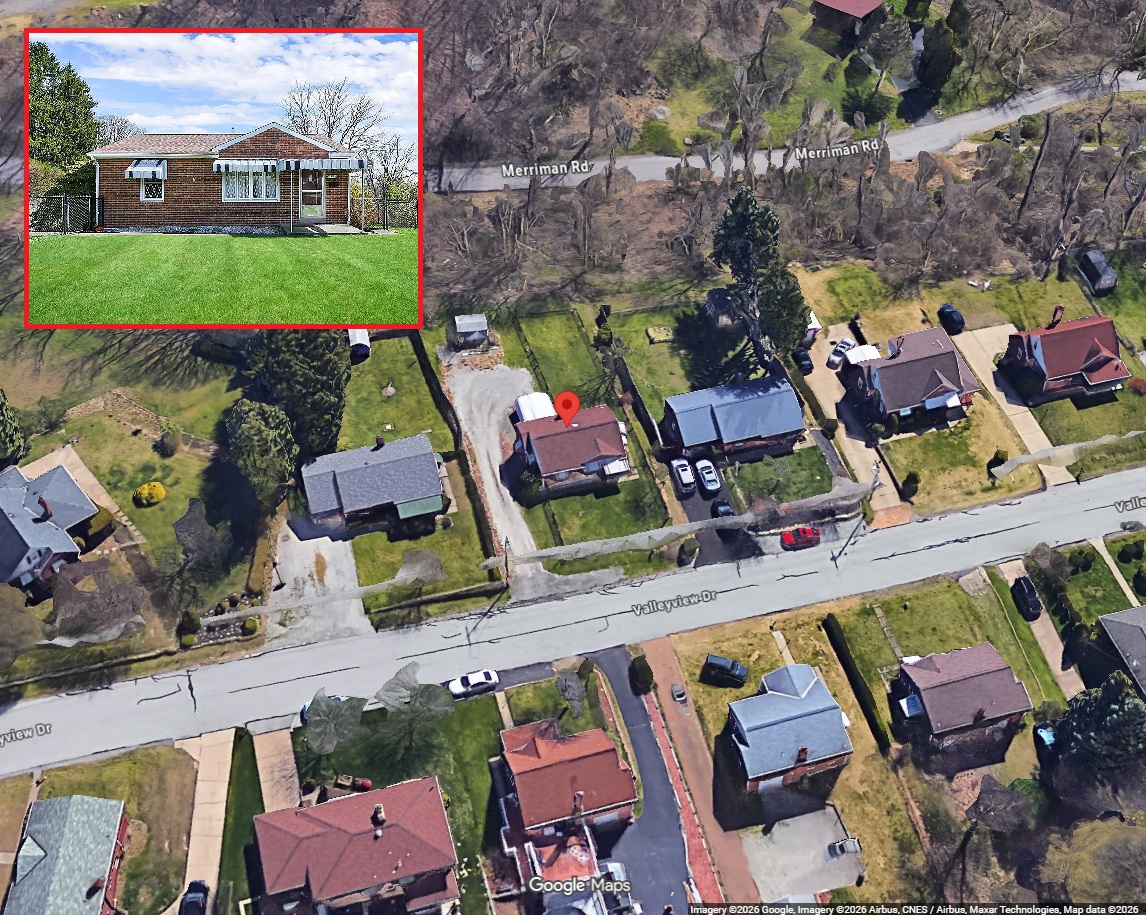
A Pennsylvania home buyer closed on the property for $80,000. The next day, a neighbor told him about the home's history.
65 Valley View Drive, Economy, Pennsylvania 15003
A home inspection had been completed. The property had been appraised. The final walk-through was finished. The buyer closed on the house for $80,000.
Then, according to court records, a neighbor told him something the day after closing that changed everything.
The previous owner had died by suicide inside the master bedroom.
The case, Bukoskey v. Palombo, eventually made its way into the Court of Common Pleas of Beaver County, Pennsylvania, where the dispute raised a question that remains important to home buyers today: How much of a property's history does a seller actually have to disclose?
The story began in January 2007, when the buyer was shown the house at 65 Valley View Drive in Economy, Pennsylvania. The property had previously belonged to Donna Rose Cordasco and was being sold by her estate.
According to the court opinion, the master bedroom contained furniture when the buyer first toured the house, preventing him from seeing portions of the floor.
He made an $80,000 offer, which was accepted.
Before closing, the buyer went through many of the steps people are routinely told to take when purchasing a house. The court record says a survey, formal appraisal and home inspection were arranged.
A final walk-through took place on March 8, 2007.
By then, the furniture had been removed from the master bedroom. According to allegations described in the court opinion, a separate piece of carpeting matching the carpeting underneath it was positioned in the center of the room over an area that previously had been covered by furniture.
The sale closed the next day, March 9.
Then came the conversation with the neighbor.
According to the court, the buyer said that on March 10, just one day after becoming the owner, a neighbor told him that Cordasco had died by suicide with a firearm in the master bedroom.
Two days later, there was another discovery.
The buyer had hired carpet cleaners. According to the court opinion, the cleaners told him they were unable to remove a blood stain from the floor of the master bedroom.
By March 21, an attorney acting for the buyer had contacted the defendants and informed them that the buyer wanted to void the sales agreement.
The dispute eventually became Bukoskey v. Palombo.
The buyer brought several claims involving the estate, the real estate agent and Howard Hanna Company. Among other things, he argued that the circumstances surrounding the previous owner's death should have been disclosed and raised allegations concerning the carpeting that had covered the stained area.
The court did not ultimately agree that the prior owner's suicide constituted the type of material property defect that Pennsylvania law required to be disclosed.
In its November 20, 2007 decision, the Beaver County court concluded that the manner of the previous owner's death was not a material defect of the property requiring disclosure under Pennsylvania's Real Estate Seller Disclosure Law. The court dismissed the fraud claims based on the failure to disclose the suicide.
The court also addressed the allegation concerning the blood stain. It concluded that even if the carpeting itself had a defect, carpeting could be replaced and therefore the stain did not constitute a defect in the house itself.
Years later, the Pennsylvania Supreme Court discussed the Bukoskey case in another major property-stigma case, Milliken v. Jacono. In 2014, Pennsylvania's highest court held that a murder-suicide inside a house did not constitute an actionable material defect that sellers were required to disclose.
DiedInHouse has a more detailed guide to Pennsylvania death disclosure law, murder, suicide and stigmatized properties.
That distinction is important.
A seller's legal obligation to disclose something and a buyer's desire to know about it are not necessarily the same thing.
A home inspection is designed primarily to evaluate the physical condition of a property. An appraiser determines value for a different purpose. Neither process should automatically be expected to uncover every significant event connected with an address.
That is what makes the sequence of events at 65 Valley View Drive so striking.
The buyer toured the property.
He made an offer.
There was a survey.
There was an appraisal.
There was a home inspection.
There was a final walk-through.
He closed.
And according to the court record, it was a neighbor the following day who finally told him what had happened inside the house.
It is not the only documented example of a buyer learning significant information about a property's history from a neighbor after buying it.
In Florida, John and Kathy Johnson bought a house for $227,000 and then learned from a neighbor that three people had been killed inside. In Wichita, another buyer said a neighbor told her about the history of the home she had purchased.
The case is nearly two decades old, but the underlying question has not gone away.
Most buyers spend hundreds or even thousands of dollars evaluating a property before closing. They may pay for inspections, appraisals, title work and other services. Those are important steps, but they answer different questions about a house.
Property history is another question entirely.
That issue has received national attention for years. Forbes profiled DiedInHouse.com and examined why buyers might want to investigate whether a death or other significant event occurred at an address. ABC News also covered DiedInHouse, using the experience of a Pennsylvania home buyer who learned after purchasing a property that it had been the scene of a murder-suicide.
Realtor.com has similarly recommended researching a home's history before buying, including checking public records, newspaper archives, talking with neighbors and considering property-history research services such as DiedInHouse.com.
Services such as DiedInHouse.com were created to help consumers research whether a death may have occurred at an address and uncover other potentially significant property-history information. HouseHas.com takes the idea further by looking more broadly at the history of a property, rather than focusing exclusively on deaths or other stigmatizing events.
For buyers who want to understand the difference between these types of research, DiedInHouse has also published guides on how to find out if someone died in a house before buying or renting and why researching a house's history before paying for inspections and appraisals can matter.
None of that replaces a professional home inspection, appraisal, title search or legal advice.
It is another layer of research.
The lesson from 65 Valley View Drive isn't that an inspection failed. The inspection was looking for something different.
The lesson is that buying a house means investigating both what the house is and what has happened there.
Before spending hundreds of dollars inspecting and appraising a house, consider researching its history too.
House History First + Then Inspection + Appraisal.
You May Also Like
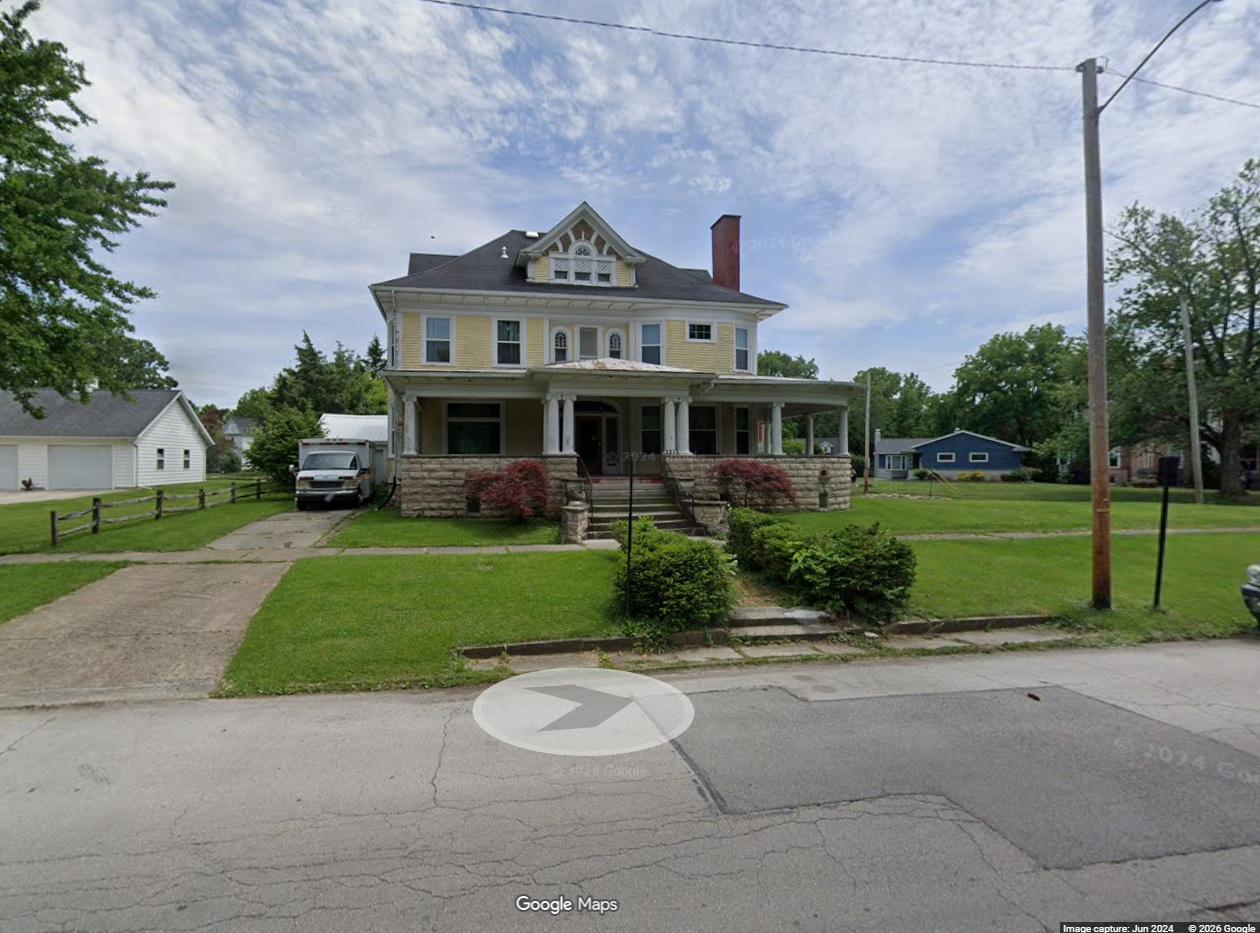
HGTV Is Renovating Bihl Manor, a $105,000 Ohio Mansion With a Troubled Past
September 15, 2026 · DiedinHouse.com
Explore the history of Bihl Manor at 1213 Buckland Avenue in Fremont, Ohio, the reportedly haunted mansion featured on HGTV's A Very Haunted Renovation.
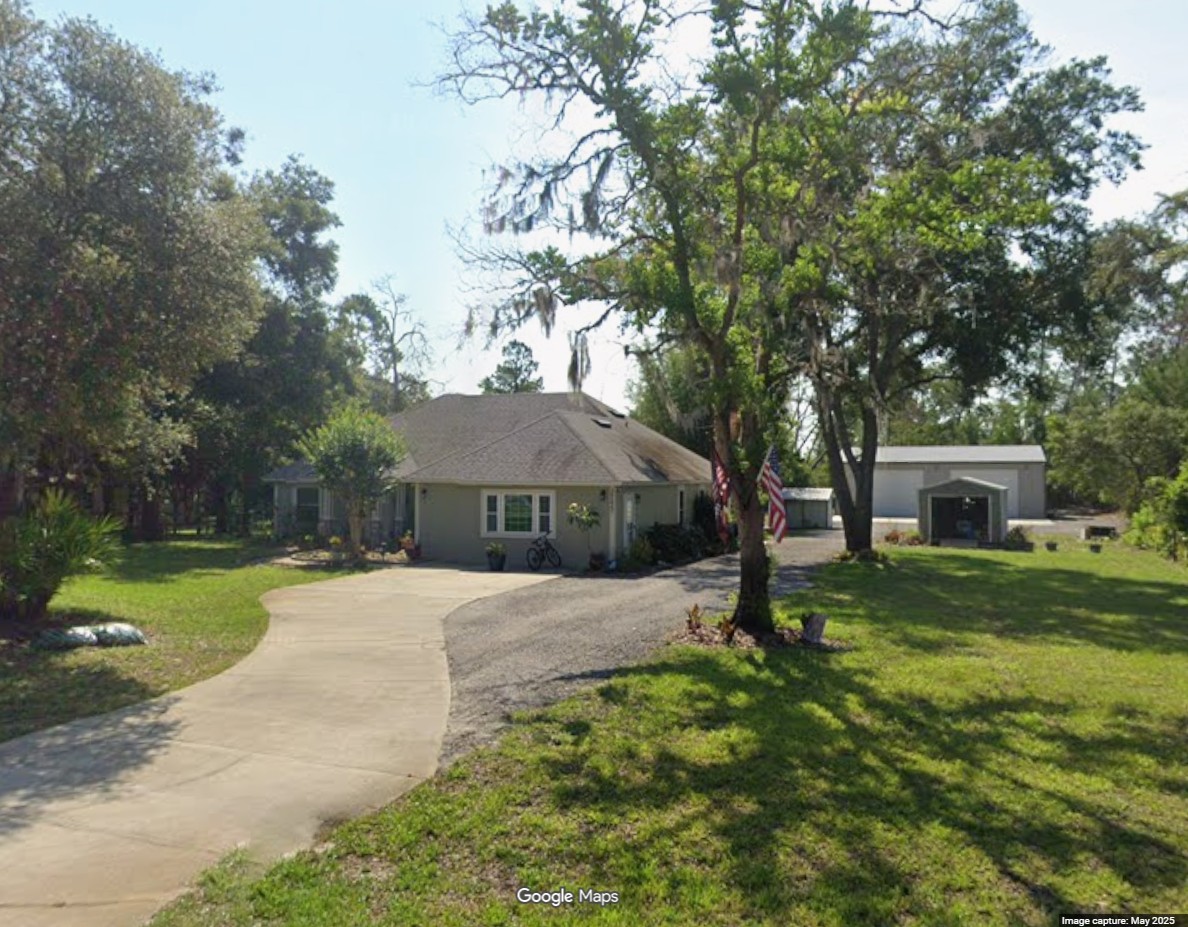
They Bought the House for $227,000. Then a Neighbor Told Them What Happened Inside.
September 14, 2026 · DiedinHouse.com
A Florida family bought a Lake County home for $227,000, then learned from a neighbor that three people had been killed inside. The story of 39522 Greenbrier Street
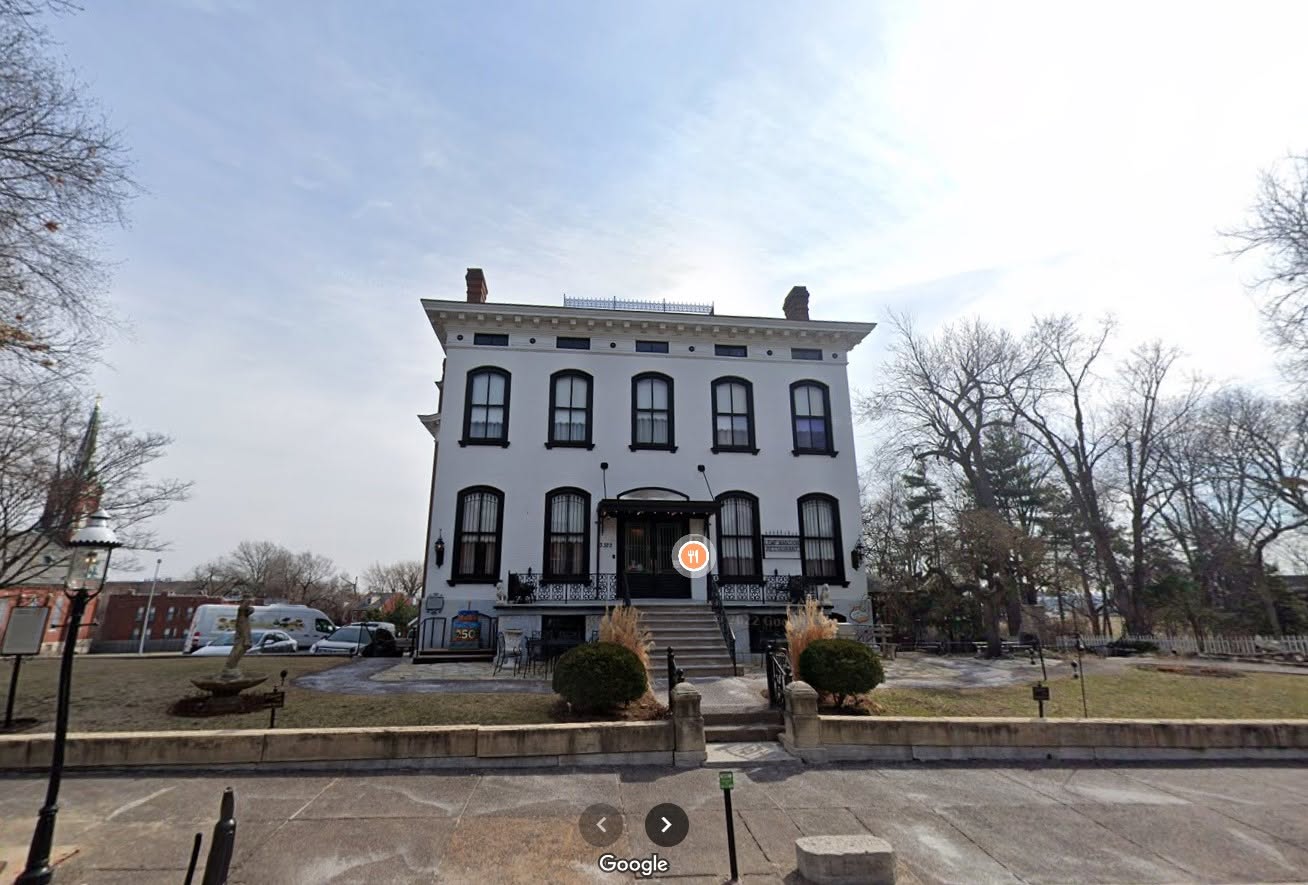
Lemp Mansion Is for Sale: The History of 3322 DeMenil Place St. Louis, MO 63118
September 09, 2026 · DiedinHouse.com
The Lemp Mansion at 3322 DeMenil Place in St. Louis is for sale. Explore the Lemp family deaths, brewing history, reported hauntings and what happens next.
They Bought the House to Flip It. Then They Broke Open a Concrete Slab in the Backyard.
September 06, 2026 · DiedinHouse.com
An investor bought 725 N. Winnetka Ave. in Dallas to renovate it. Then workers broke open a concrete slab in the backyard and uncovered the property's extraordinary history
Hulk Hogan’s Final Home Is for Sale, and the Price Just Dropped Again
September 05, 2026 · DiedinHouse.com
Explore the history of Hulk Hogan’s longtime Clearwater Beach home at 1040 Eldorado Avenue, from his $3.33 million purchase to his final day there and the estate’s multimillion-dollar listing.
A New Owner Found Human Remains. Four Months Later, the House Sold for $245,000.
September 05, 2026 · DiedinHouse.com
Explore the history of 7104 Willard Road in Millington, Michigan, where remains from at least four people were found before the renovated home sold.
They Bought the ‘American Horror Story’ House for $3.2 Million. They Say No One Warned Them About the Fans
September 02, 2026 · DiedinHouse.com
A couple paid $3.2 million for the American Horror Story “Murder House” at 1120 Westchester Place. They knew it had appeared on TV, but say they weren't warned about the fans, trespassing and privacy problems that came with it.