A Man’s Remains Were Found Inside This San Francisco House. Now the Property Is Going to Auction.
September 17, 2026 · DiedinHouse.com
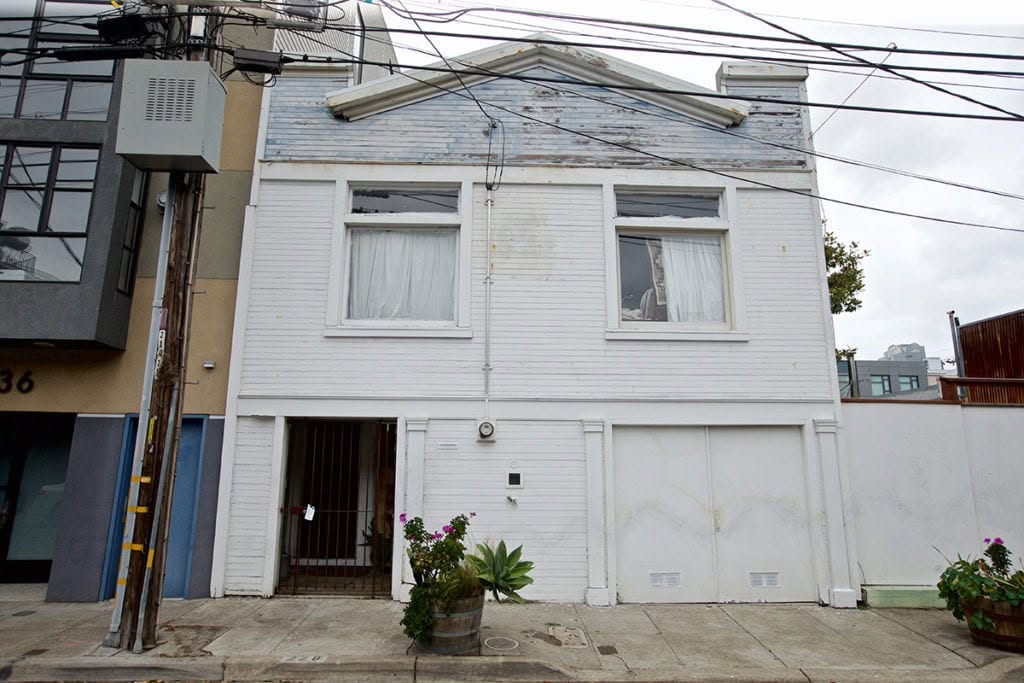
The San Francisco property where Brian Egg’s remains were discovered in 2018 is now being marketed for redevelopment, adding a new chapter to the address’s history.
224–228 Clara St., San Francisco, CA 94107
A San Francisco property currently being marketed to buyers comes with a history you would never learn from its square footage, development plans or views of the city.
The property at 224–228 Clara Street in San Francisco’s South of Market neighborhood is being offered at auction as a redevelopment opportunity. More than $1 million has reportedly already been invested in plans and permits for a nine-residence project, and the vacant structure currently standing on the property is permitted for demolition.
But before the old structure disappears, there is another part of this address worth remembering.
In 2018, 65-year-old Brian Egg lived at 228 Clara Street.
His neighbors were accustomed to seeing him outside walking his small dog, watering plants and talking with people along the narrow San Francisco street.
Then, in the spring of 2018, they stopped seeing him.
Neighbors began asking questions
As weeks passed without any sign of Egg, neighbors became concerned.
Some also noticed unfamiliar people coming and going from his home.
According to reporting by the San Francisco Chronicle, police went to the residence several times after friends and family raised concerns about Egg's whereabouts. At one point, officers were reportedly told that Egg was away.
His neighbors remained suspicious.
Then something happened that caused one of them to call police again.
A professional cleaning crew arrived at Egg's house.
This time, officers obtained a search warrant and went inside.
What investigators discovered turned the small Clara Street house into the center of a homicide investigation.
Brian Egg was found inside his own home
Police discovered human remains concealed inside a large fish tank inside the residence.
DNA testing later confirmed the deceased was Brian Egg. The medical examiner eventually determined that Egg had suffered blunt-force trauma and ruled his death a homicide.
The case drew widespread attention in San Francisco, in part because neighbors had been trying for weeks to draw attention to Egg's disappearance.
Two men were arrested during the investigation, but prosecutors did not immediately file murder charges, saying additional investigation was needed. Subsequent reporting continued to describe Egg's killing as unsolved.
One of the unusual aspects of the investigation was what allegedly happened while Egg was missing.
Court records cited by the Chronicle alleged that one of the men arrested had used Egg's debit card to purchase a BMW and had hired a hazardous-materials company to clean the Clara Street residence. The appearance of that cleaning crew was one of the things that finally prompted neighbors to call police again.
Then the house was sold
After Brian Egg's death, his family put the property on the market.
The house had been in Egg's hands for decades. According to reporting at the time, it had last sold in 1976 for just $19,000.
Despite the extraordinary history associated with the property, the house reportedly attracted a buyer quickly after being marketed in 2019. The asking price was approximately $1.5 million, and reporting at the time said it sold after roughly two weeks on the market.
That was another chapter in the property's history.
Now there is another.
224–228 Clara Street is on the market again
The current listing is not really selling the existing house as a home.
It is selling what could replace it.
The approximately 3,600-square-foot parcel is being offered through Concierge Auctions. The marketing describes plans for nine residences, including eight two-bedroom units and one below-market-rate one-bedroom residence.
The proposed development includes floor-to-ceiling glass, private elevator access to residential floors and a roughly 640-square-foot common rooftop deck.
The existing vacant structure is permitted for demolition.
Eventually, the building connected to Brian Egg may disappear entirely.
A new development could rise in its place.
People could move into new apartments with new kitchens, new walls and new addresses within the development.
But that doesn't erase what happened on the property.
Property history doesn't disappear when a house changes
That is what makes 228 Clara Street such an interesting example of house history.
If you looked only at today's real-estate information, you would see a San Francisco development site.
You would find the lot size.
You would see architectural plans.
You would see proposed bedrooms, bathrooms, elevators and a roof deck.
None of those things would tell you that Brian Egg once lived there.
They would not tell you that his neighbors became worried when he suddenly disappeared.
And they would not tell you that his remains were eventually discovered inside the house.
Those are two very different kinds of information about the same property.
An inspection isn't a house history report
A traditional home inspection is designed to evaluate the physical condition of a property.
An appraisal helps determine what that property may be worth.
A title search can identify ownership interests, liens and other legal information.
Those are all important.
But none is specifically designed to answer a much different question:
What happened at this address before I got here?
That is where house-history research becomes valuable.
Deaths, fires, crimes, previous occupants and other significant events associated with a property may never appear in a typical real-estate listing.
Sometimes those events happened decades ago.
Sometimes the building has been completely renovated.
And, as 228 Clara Street may eventually demonstrate, sometimes the original building may not even exist anymore.
The land still has a history.
Know the property before you buy it
DiedInHouse.com was created to help buyers, renters and property researchers learn more about the history associated with an address.
The point isn't to tell someone whether a property's past should matter to them.
For one buyer, it may make no difference at all.
For another, it could completely change how they feel about the property.
What matters is having the opportunity to know.
Before spending hundreds of dollars on an inspection and appraisal, take some time to research the history of the address too.
House History First. Then Inspection. Then Appraisal.
Because a new owner can change a house.
A developer can replace a house.
But neither changes what happened at the address.
Sources: San Francisco Chronicle, ABC7/KGO, current property marketing and auction records.
You May Also Like
He Bought the House for $80,000. The Next Day, a Neighbor Told Him What Happened in the Bedroom.
September 16, 2026 · DiedinHouse.com
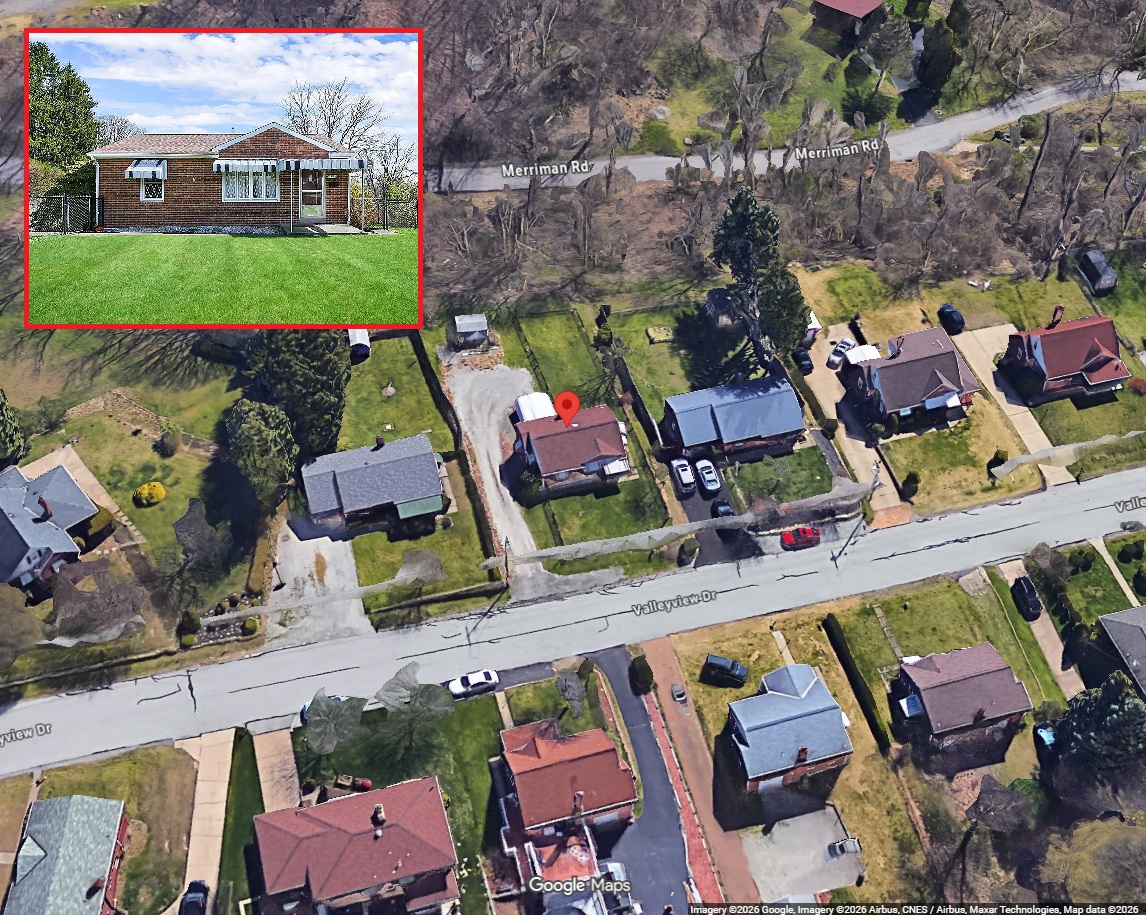
A buyer paid $80,000 for 65 Valley View Drive in Economy, Pennsylvania. The day after closing, a neighbor told him a previous owner had died inside the home.
HGTV Is Renovating Bihl Manor, a $105,000 Ohio Mansion With a Troubled Past
September 15, 2026 · DiedinHouse.com
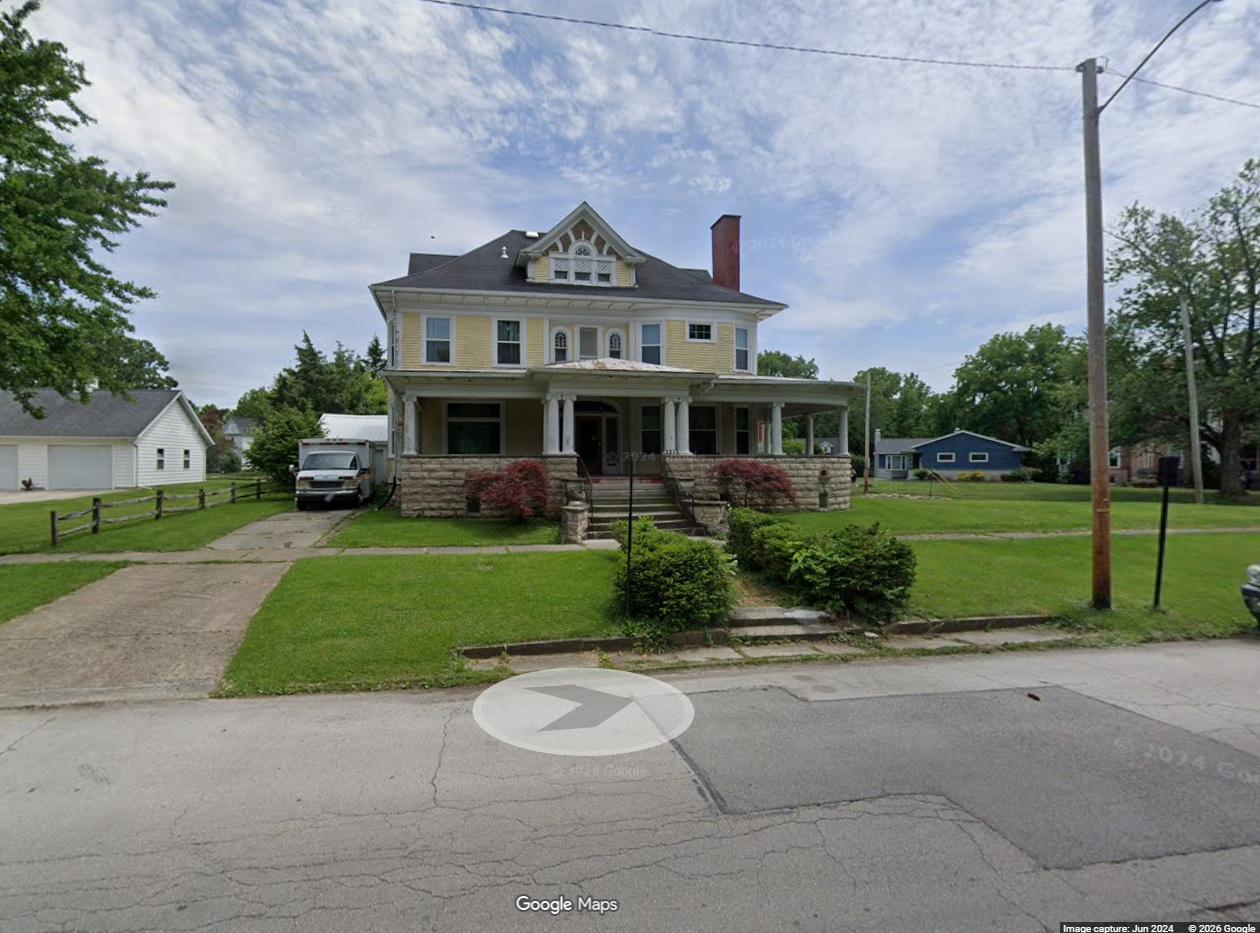
Explore the history of Bihl Manor at 1213 Buckland Avenue in Fremont, Ohio, the reportedly haunted mansion featured on HGTV's A Very Haunted Renovation.
They Bought the House for $227,000. Then a Neighbor Told Them What Happened Inside.
September 14, 2026 · DiedinHouse.com
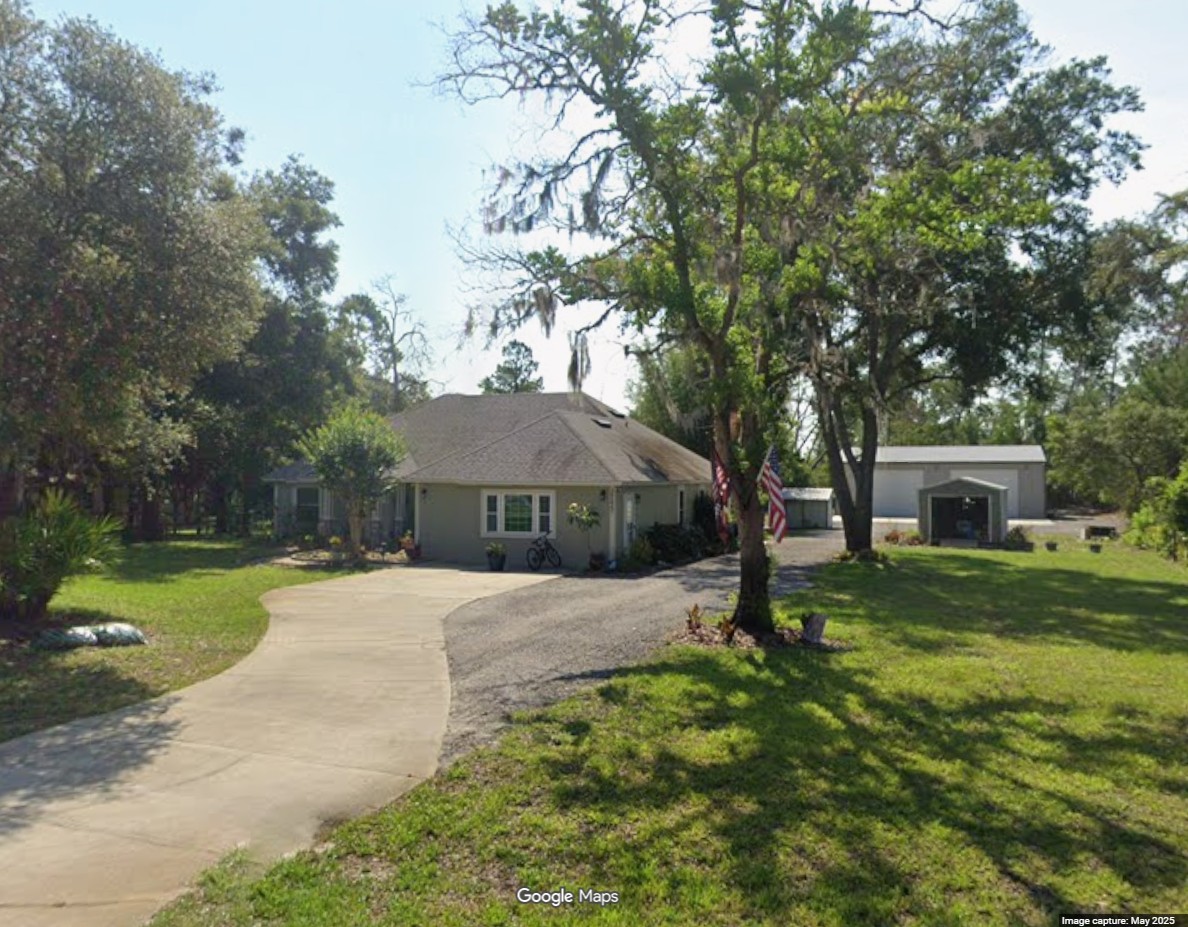
A Florida family bought a Lake County home for $227,000, then learned from a neighbor that three people had been killed inside. The story of 39522 Greenbrier Street
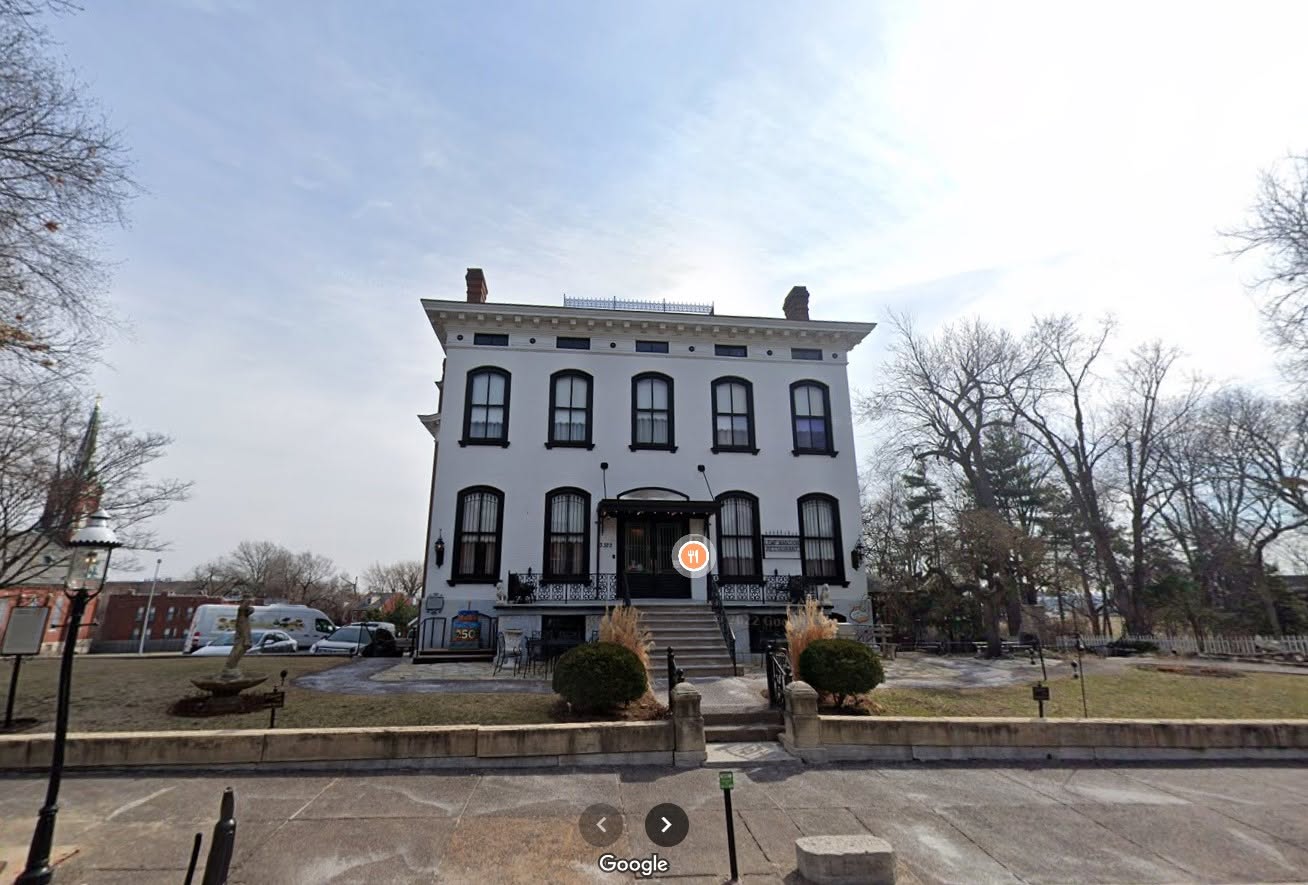
Lemp Mansion Is for Sale: The History of 3322 DeMenil Place St. Louis, MO 63118
September 09, 2026 · DiedinHouse.com
The Lemp Mansion at 3322 DeMenil Place in St. Louis is for sale. Explore the Lemp family deaths, brewing history, reported hauntings and what happens next.
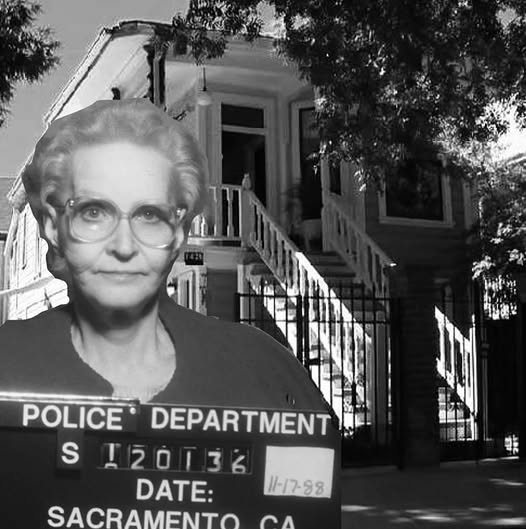
Dorothea Puente House at 1426 F Street Opens for Sacramento Home Tour
September 09, 2026 · DiedinHouse.com
Tour the history of Dorothea Puente’s former boarding house at 1426 F Street in Sacramento, where seven bodies were found in 1988. The home opens to the public Sept. 20, 2026.
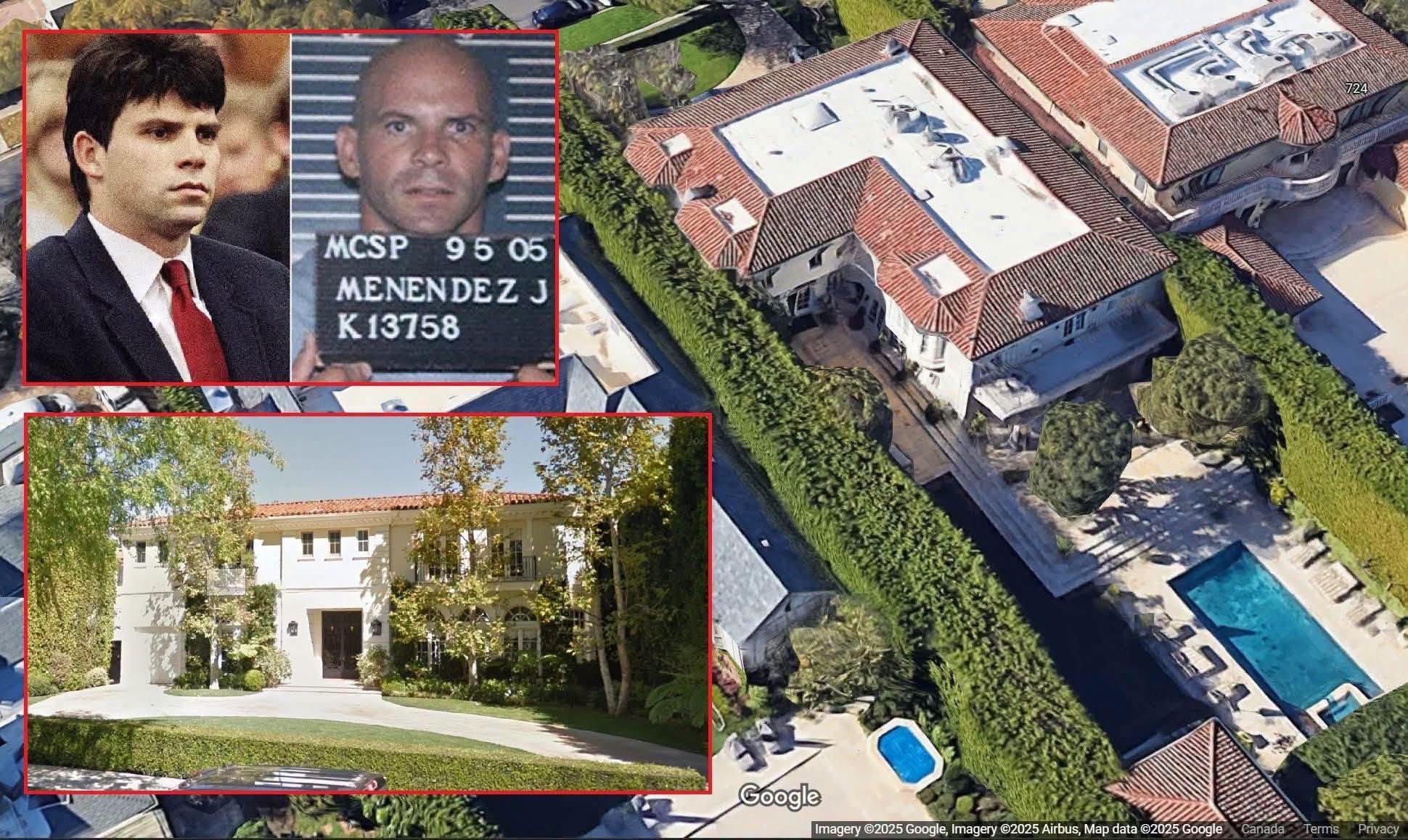
The Menendez House Is Back in the News
September 08, 2026 · DiedinHouse.com
Erik and Lyle Menendez could return before the parole board in March 2027, nearly 38 years after their parents died at 722 N. Elm Drive. Here's what happened to the Beverly Hills mansion, how its ownership changed and why the property sold for $17 million in 2024.