Hollywood’s Most Famous Vampire Took His Final Breath at 5620 Harold Way
September 26, 2026 · By Roy Condrey
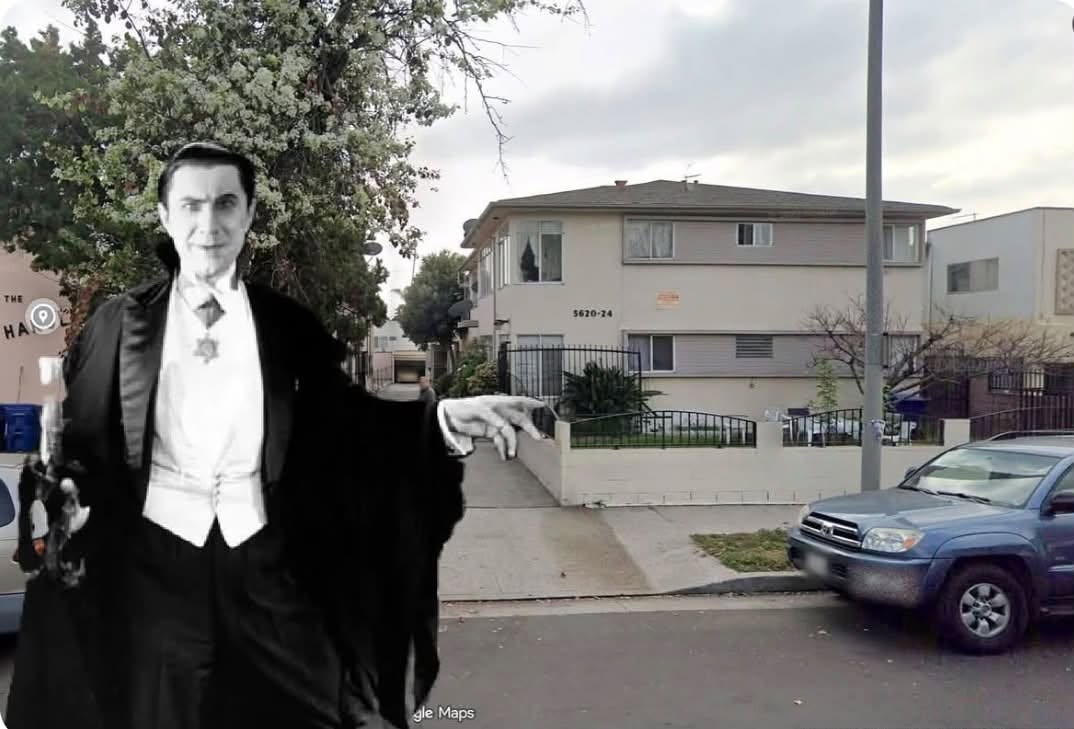
Bela Lugosi, the actor who forever defined Count Dracula, died inside his Hollywood apartment at 5620 Harold Way on August 16, 1956. Nearly 70 years later, the building still stands.
5620 Harold Way, Los Angeles, CA 90028
There are Hollywood addresses connected to movie history.
Then there are addresses where movie history actually ended.
On August 16, 1956, Bela Lugosi, the Hungarian-born actor whose portrayal of Count Dracula helped define the vampire for generations, was found dead inside his apartment at 5620 Harold Way in Hollywood.
He was 73.
His wife, Hope, returned home that evening and found her husband dead in bed. The Los Angeles Times reported the following morning that Lugosi had died at the Harold Way apartment, apparently from a heart attack.
It was an unexpectedly quiet ending for a man whose face, voice, stare and sweeping black cape had become inseparable from one of the most famous characters in horror history.
And the address where it happened is still there.
5620 Harold Way, Los Angeles, California
Today, 5620 Harold Way is a multifamily residential building in Hollywood.
Current public-record-based property data identifies the building as a 10-unit apartment property constructed in 1955. Property records show approximately 8,292 square feet of building space on a roughly 9,600-square-foot lot. The property last sold in August 2004 for approximately $705,000 and is currently off market.
That construction date is particularly interesting.
If the public records are correct, the building was essentially new when Lugosi lived there. He died the following year.
For someone passing the address today, there is little about the exterior to suggest that one of Hollywood's most recognizable horror legends spent the final chapter of his life here.
But that is exactly what makes individual addresses so fascinating.
A building can change owners. Tenants come and go. Interiors are remodeled. Decades pass.
The history remains.
Before Harold Way, There Was Dracula
To understand why 5620 Harold Way matters, you have to go back to 1931.
Or, more accurately, a few years earlier.
Lugosi had already played Dracula onstage before Universal Pictures brought Bram Stoker's vampire to the screen. The American Film Institute records that Lugosi created the role in the October 5, 1927 American premiere of the stage adaptation of Dracula.
Then came the movie.
Universal's Dracula opened in 1931 with Lugosi as Count Dracula and Tod Browning directing. Universal's own film catalog confirms Lugosi headed a cast that also included Helen Chandler, David Manners, Dwight Frye and Edward Van Sloan.
The role changed horror cinema.
It also changed Lugosi's life.
His deliberate speech, intense stare, formal evening clothes and unmistakable accent became so closely associated with Dracula that much of what audiences now picture when they imagine the sophisticated vampire can be traced back to Lugosi's performance.
The film's importance eventually extended far beyond the horror genre. In 2000, Dracula was selected for preservation in the Library of Congress' National Film Registry as a film considered culturally, historically or aesthetically significant.
Lugosi had become immortal on film.
Real life was considerably less forgiving.
More Than Dracula
Although Dracula became the role that defined him, Lugosi's career was much larger than a single movie.
He appeared in White Zombie, The Black Cat, The Raven, Son of Frankenstein and Abbott and Costello Meet Frankenstein, among numerous other productions.
He worked alongside another giant of classic horror, Boris Karloff, and later became associated with filmmaker Ed Wood during the final period of his career.
But Dracula followed him everywhere.
It was the role that made him famous, the role audiences expected him to embody and, ultimately, the role that followed him to his grave.
Quite literally.
August 16, 1956
By 1956, Bela Lugosi was living with his fifth wife, Hope, at 5620 Harold Way.
On Thursday, August 16, Hope returned home from work.
Her husband was dead.
The Los Angeles Times reported the next day that Lugosi had died in his apartment at 5620 Harold Way and that his wife found him in bed when she arrived home that evening. He was 73.
Later accounts report that Lugosi died peacefully in his sleep after suffering a heart attack.
For a man whose career had revolved around crypts, castles, monsters and the undead, the reality of his final moments appears to have been remarkably ordinary.
He died at home.
In bed.
Inside an apartment building on Harold Way in Hollywood.
But one last connection to Dracula remained.
Was Bela Lugosi Really Buried as Dracula?
Yes.
But one of the most repeated stories about his burial isn't quite accurate.
Lugosi was buried at Holy Cross Cemetery in Culver City wearing Dracula attire, including a cape and his Dracula ring.
Over the decades, the story was often repeated that Lugosi himself had requested to be buried as Dracula.
Available accounts indicate otherwise.
Lugosi's son, Bela G. Lugosi, said the decision was made by him and his mother, Lillian, who believed it was what his father would have wanted.
It's a small distinction, but an important one.
The truth may actually be more poignant than the legend.
Lugosi didn't need to make Dracula his final request.
His family already understood how inseparable the actor and the character had become.
The Hollywood Address That Rarely Gets Mentioned
Hollywood has no shortage of famous homes.
Tour buses still pass former residences of actors, musicians and entertainers. Some properties become attractions. Others are demolished, remodeled beyond recognition or given new addresses.
5620 Harold Way is different.
It is still a functioning residential property.
And unless someone knows what they're looking for, there is little reason to give it a second glance.
Yet this ordinary-looking Hollywood address is where one of the most influential figures in horror-film history spent his final hours.
That puts 5620 Harold Way among a much larger collection of Los Angeles properties whose histories extend far beyond their real estate records.
DiedInHouse has documented several of them, including other famous celebrity homes where Hollywood legends died, as well as properties connected to famous entertainers such as Richard Simmons.
Some of those histories are widely known.
Others are waiting to be rediscovered one address at a time.
Would Bela Lugosi's Death Have to Be Disclosed Today?
This is where the story becomes relevant to modern California homebuyers and renters.
Bela Lugosi died at 5620 Harold Way in 1956.
Would someone buying or renting there today automatically be told?
Generally, no.
California Civil Code Section 1710.2 states that the occurrence or manner of an occupant's death is not a material fact that an owner or agent is required to disclose when the death occurred more than three years before the prospective buyer or tenant's offer.
Lugosi's death occurred nearly seven decades ago.
There is another important part of the statute, however.
California law does not protect an owner or agent who intentionally misrepresents the facts when responding to a direct inquiry about deaths on the property.
You can read more about this in our guide to California death disclosure laws and stigmatized properties.
Disclosure rules also differ considerably from state to state. DiedInHouse maintains a broader guide to stigmatized property and death disclosure laws across the United States.
The larger lesson is simple:
Something can be part of a property's documented history without appearing in a real estate listing.
What Would You Find If You Researched Your Address?
That's the question that makes 5620 Harold Way interesting beyond Bela Lugosi.
Imagine looking at an apartment or house without knowing anything about its past.
You tour the property.
You look at the kitchen.
You check the neighborhood.
You research schools, taxes, commute times and comparable sales.
Maybe you pay hundreds of dollars for an inspection.
Maybe you pay hundreds more for an appraisal.
But none of those things necessarily tells you who lived there before you.
Or what happened there.
At 5620 Harold Way, an ordinary property search can lead directly into the history of classic Hollywood and one of cinema's most recognizable characters.
Most addresses aren't connected to Bela Lugosi.
But every address has a history.
Deaths, crimes, fires, previous residents, drug activity, notorious events and other incidents can become part of a property's story without changing how the building looks today.
That's why property-history research can be worth doing before spending hundreds of dollars on inspections and appraisals.
An inspection tells you about the condition of a property.
An appraisal helps tell you what it's worth.
Neither is designed to tell you everything that happened there.
House History First
If you're buying or renting a property, research the address before you become emotionally or financially committed to it.
DiedInHouse.com helps consumers research available information connected to residential and commercial properties, including deaths, crimes, fires, previous residents and other historical events.
Explore more unusual addresses, celebrity homes, stigmatized properties and real estate histories in DiedInHouse Property Insights.
Or research an address at DiedInHouse.com.
Because sometimes the most interesting thing about a property isn't what you can see during the showing.
It's what happened there before you arrived.
You May Also Like
“She Had to Be the One”: The Scream Murder House at 11372 W. Whispering Cliffs Drive
September 26, 2026 · By Roy Condrey
Explore the history of 11372 W. Whispering Cliffs Drive in Pocatello, Idaho, where Cassie Jo Stoddart was murdered in 2006, and learn what happened to the house afterward.
I Visited Zak Bagans’ Haunted Museum — Here’s What Happened
September 23, 2026 · By Roy Condrey
I visited Zak Bagans’ Haunted Museum at 600 E Charleston Boulevard in Las Vegas. Explore the Wengert Mansion’s history, Bela Lugosi mirror, true-crime artifacts and reportedly haunted objects.
Holly Madison’s reportedly haunted Hollywoodland home is now for rent at $9,500 a month
September 22, 2026 · By Roy Condrey
Holly Madison’s reportedly haunted Hollywoodland home at 6311 Heather Drive, Los Angeles, is listed for rent at $9,500 a month. Explore the 1926 Tudor’s history, Madison’s paranormal claims and its Ghost Adventures investigation.
The Davies House: The Haunted History of 701 W Jefferson St, Kokomo, Indiana
September 22, 2026 · By Roy Condrey
Explore the history of 701 W Jefferson St, Kokomo, IN, known as The Davies House, a 1910 home associated with local history, ghost hunts and paranormal folklore.
Richard Simmons’ longtime Los Angeles home is under contract after major price cuts
September 21, 2026 · By Roy Condrey
Richard Simmons lived and died at 1350 Belfast Drive in Los Angeles. After listing near $7 million and undergoing multiple price cuts, his longtime Hollywood Hills home is now under contract for $4.995 million.
Netflix released Monster: The Lizzie Borden Story on September 17, 2026
September 17, 2026 · DiedinHouse.com
Explore the real Lizzie Borden House at 230 Second St. in Fall River, MA. Learn what happened there in 1892, the home’s history, and why Netflix’s Monster: The Lizzie Borden Story is bringing new attention to the famous address.
Kathie Lee and Frank Gifford’s Longtime Connecticut Home Is for Sale for $100 Million
September 16, 2026 · DiedinHouse.com
Explore the history of 108 Cedar Cliff Road in Riverside, Connecticut, the longtime home of Kathie Lee and Frank Gifford. From Frank Gifford’s legendary NFL and broadcasting career to Kathie Lee’s decades in television, the $100 million waterfront estate has a history stretching back long before the famous couple called Cedar Cliff home.
HGTV Is Renovating Bihl Manor, a $105,000 Ohio Mansion With a Troubled Past
September 15, 2026 · DiedinHouse.com
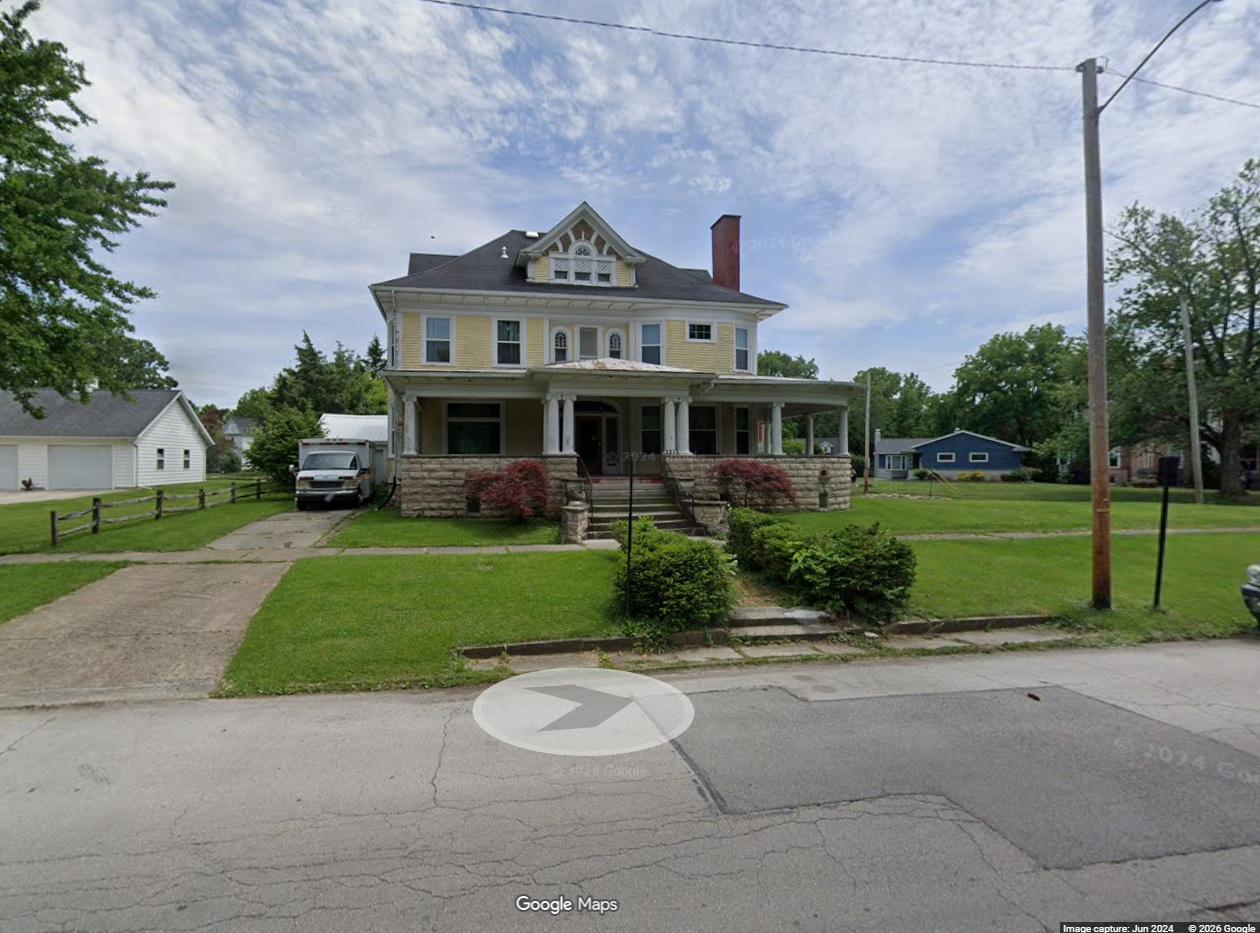
Explore the history of Bihl Manor at 1213 Buckland Avenue in Fremont, Ohio, the reportedly haunted mansion featured on HGTV's A Very Haunted Renovation.
Lemp Mansion Is for Sale: The History of 3322 DeMenil Place St. Louis, MO 63118
September 09, 2026 · DiedinHouse.com
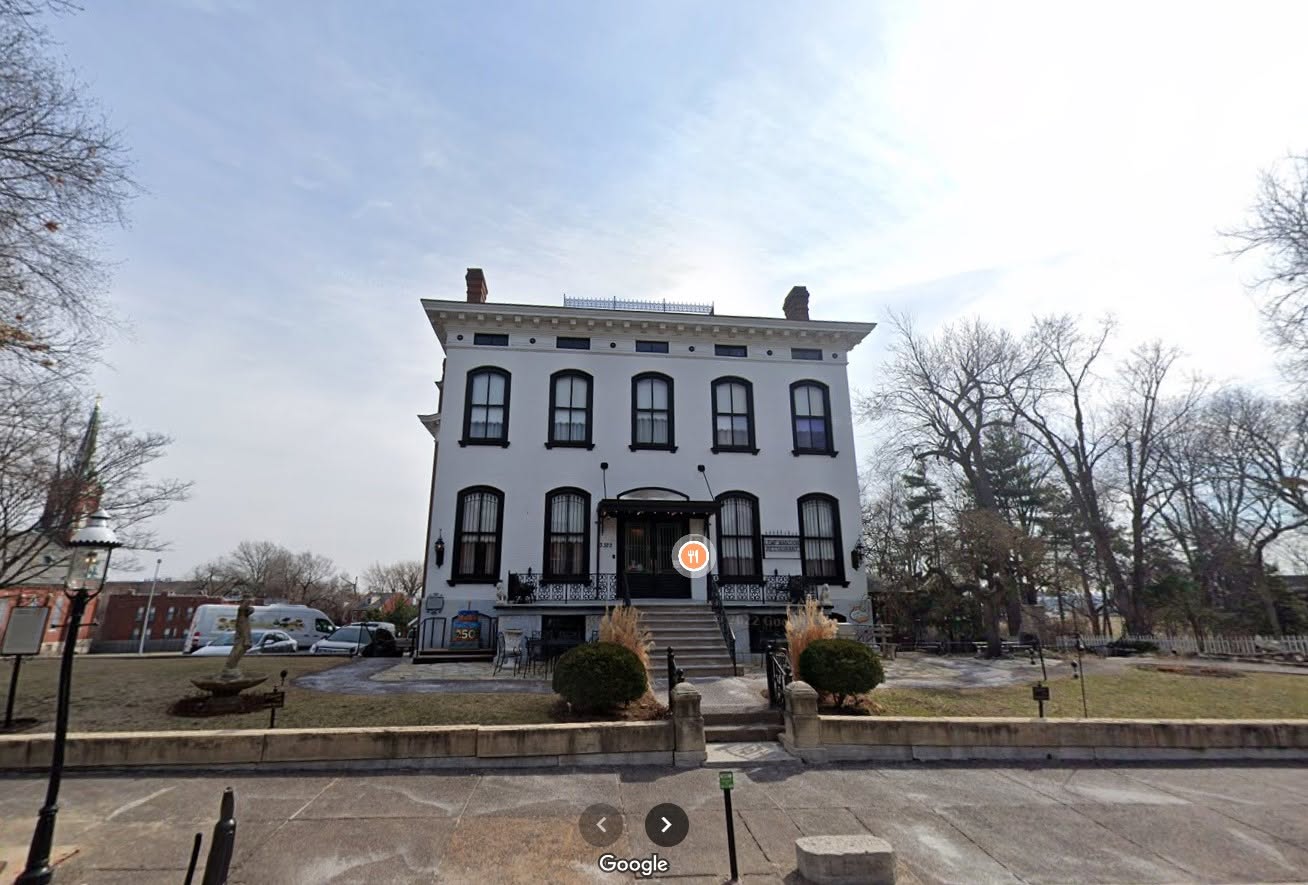
The Lemp Mansion at 3322 DeMenil Place in St. Louis is for sale. Explore the Lemp family deaths, brewing history, reported hauntings and what happens next.
Dorothea Puente House at 1426 F Street Opens for Sacramento Home Tour
September 09, 2026 · DiedinHouse.com
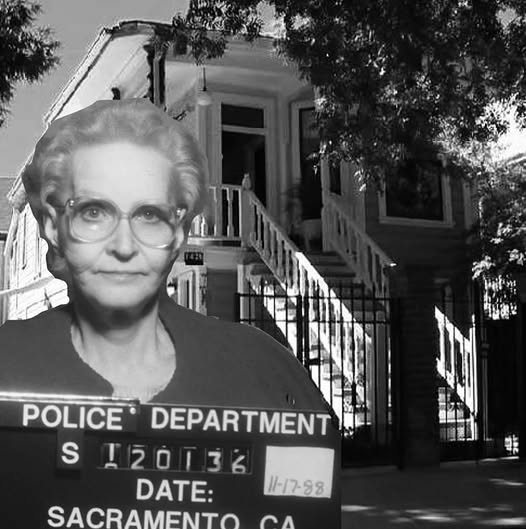
Tour the history of Dorothea Puente’s former boarding house at 1426 F Street in Sacramento, where seven bodies were found in 1988. The home opens to the public Sept. 20, 2026.
The Grim Sleeper’s Former Home Sold Again
September 07, 2026 · DiedinHouse.com
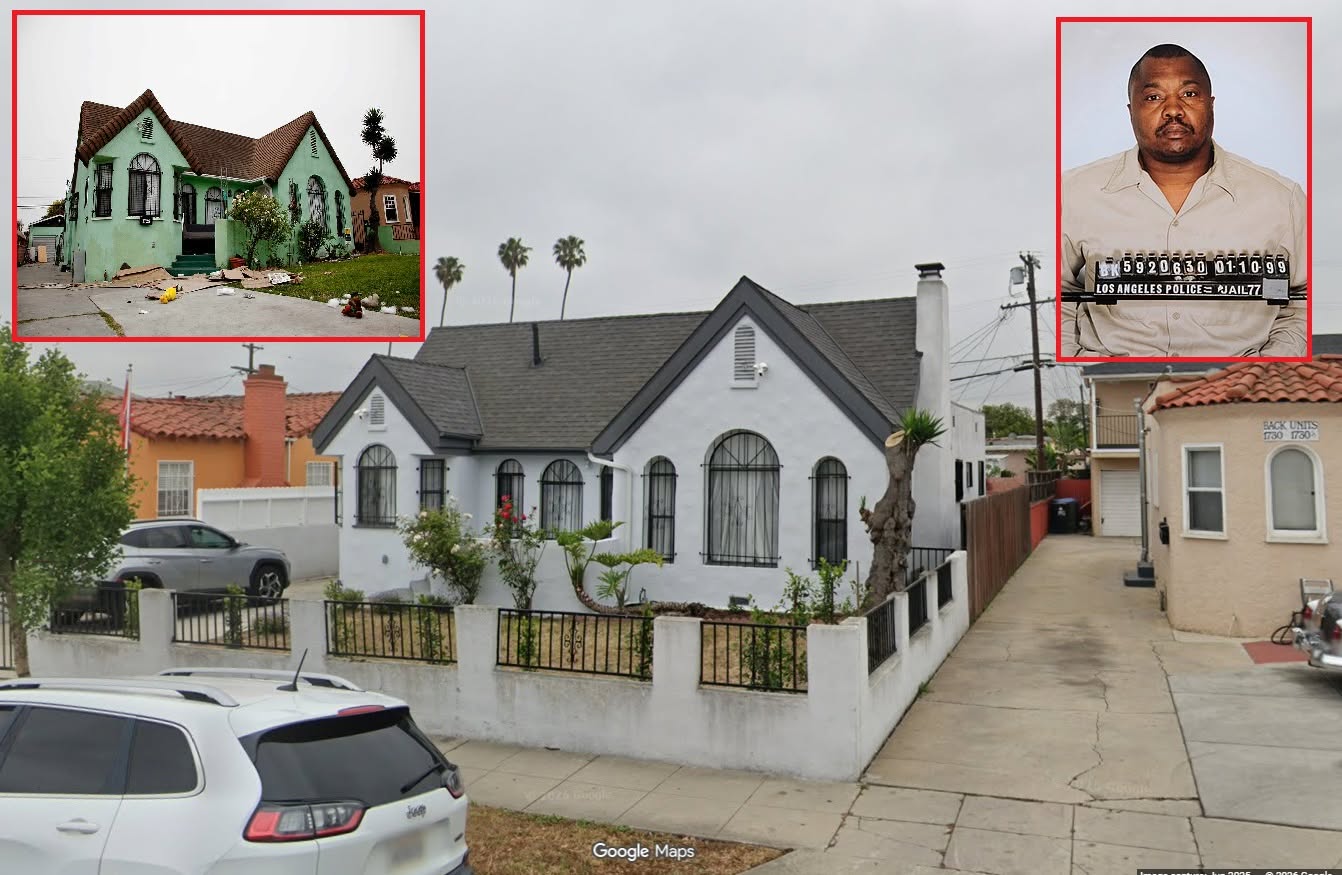
The former Los Angeles home of convicted serial killer Lonnie Franklin Jr., known as the “Grim Sleeper,” sold for $815,000 in June 2026. The sale followed a lawsuit from a previous buyer who alleged she was not told about the property’s notorious history before purchasing it.
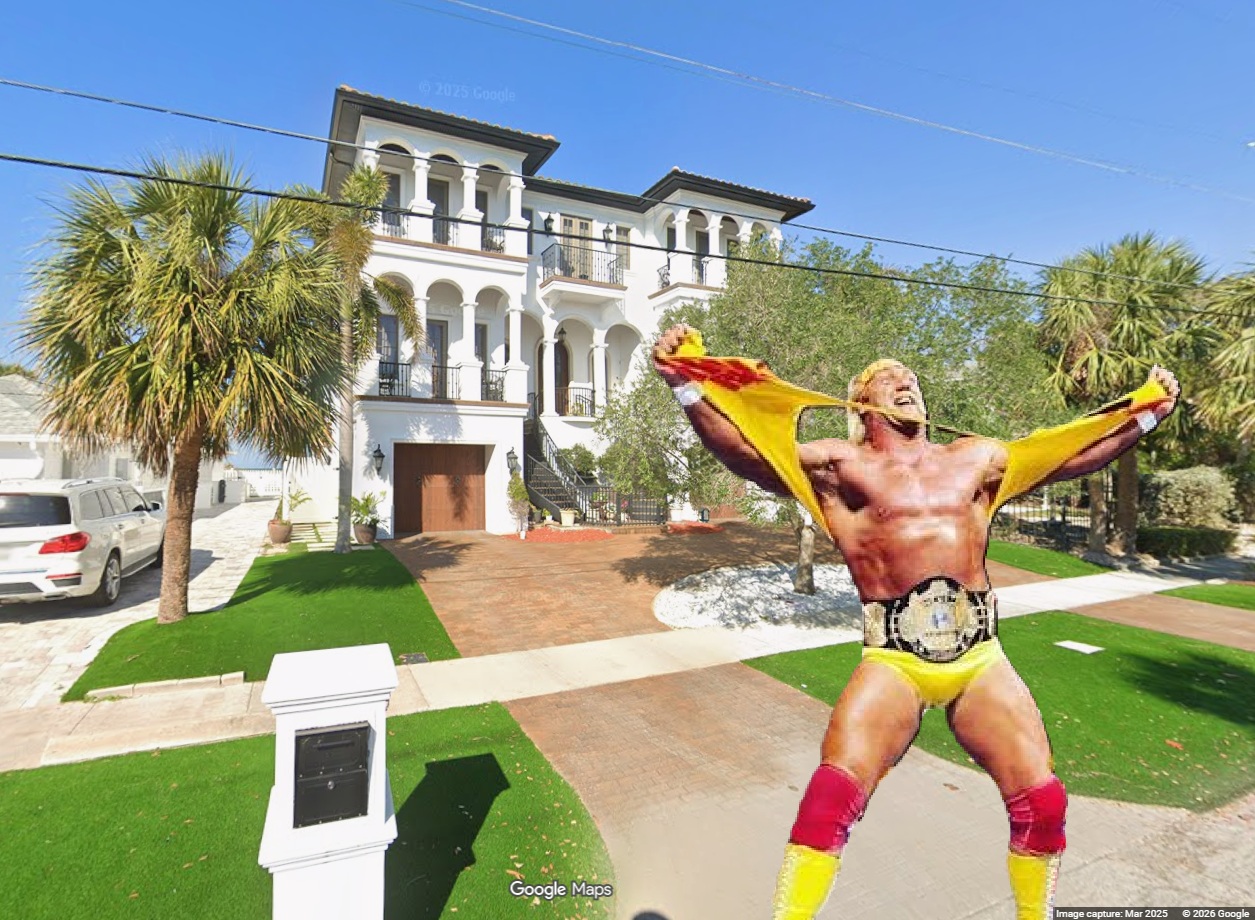
Hulk Hogan’s Final Home Is for Sale, and the Price Just Dropped Again
September 05, 2026 · DiedinHouse.com
Explore the history of Hulk Hogan’s longtime Clearwater Beach home at 1040 Eldorado Avenue, from his $3.33 million purchase to his final day there and the estate’s multimillion-dollar listing.
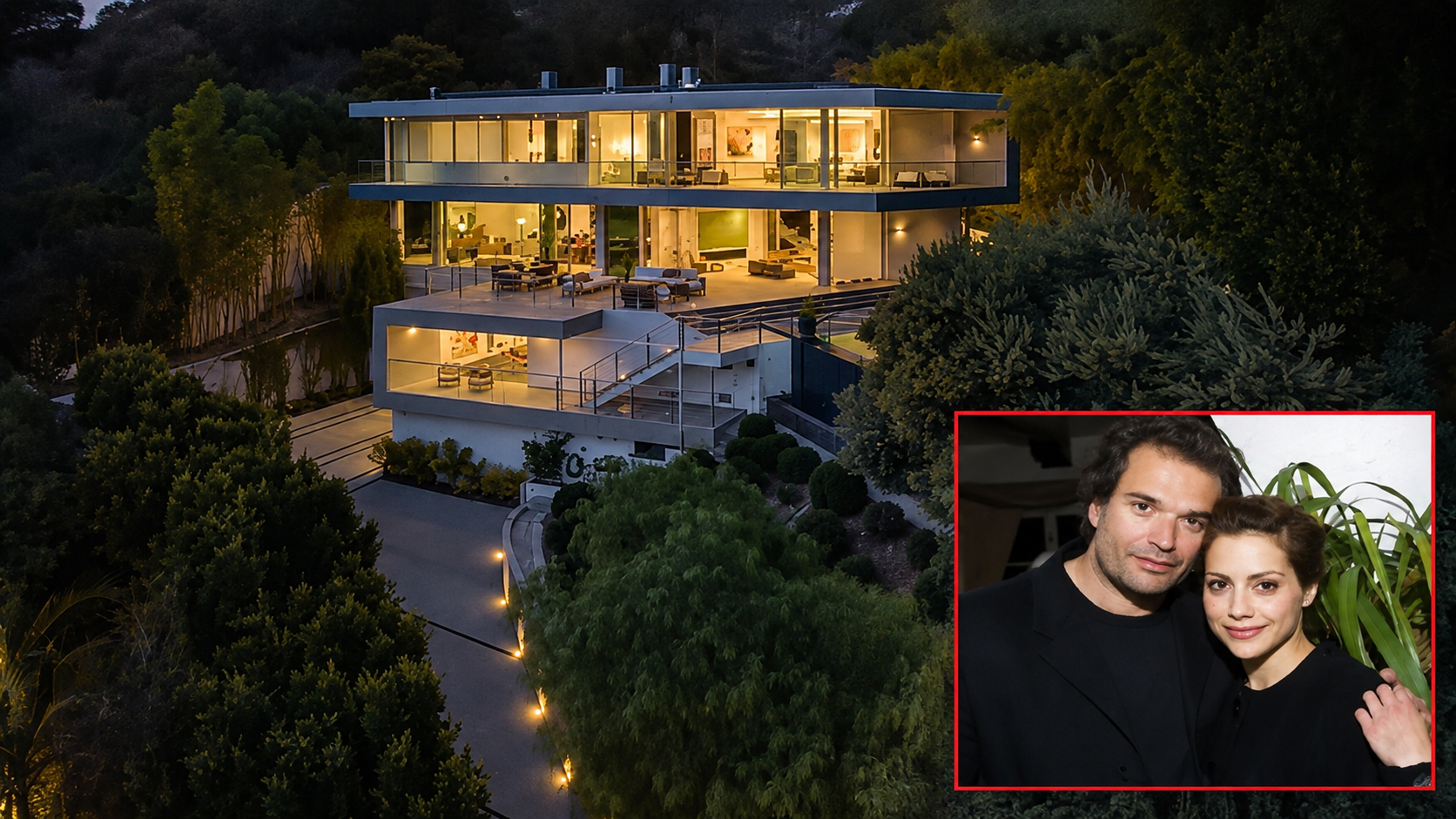
Brittany Murphy and Britney Spears’ Former Hollywood Hills Property Gets Another $1 Million Price Cut
August 28, 2026 · DiedinHouse.com
The Hollywood Hills property once owned by Britney Spears and Brittany Murphy has received another $1 million price cut. Explore the history of 1895 Rising Glen Road, what happened there, and why researching a home’s past matters before buying.
The Most Haunted House in Every State: 50 Famous Places and the Stories Behind Them
August 22, 2026 · DiedinHouse.com
Discover the most famous haunted house in every state, including real addresses, documented history, ghost stories and what homebuyers should know before buying.