4 Real Halloween Horror Stories That Happened at American Homes
October 31, 2026 · By Roy Condrey, DiedInHouse.com
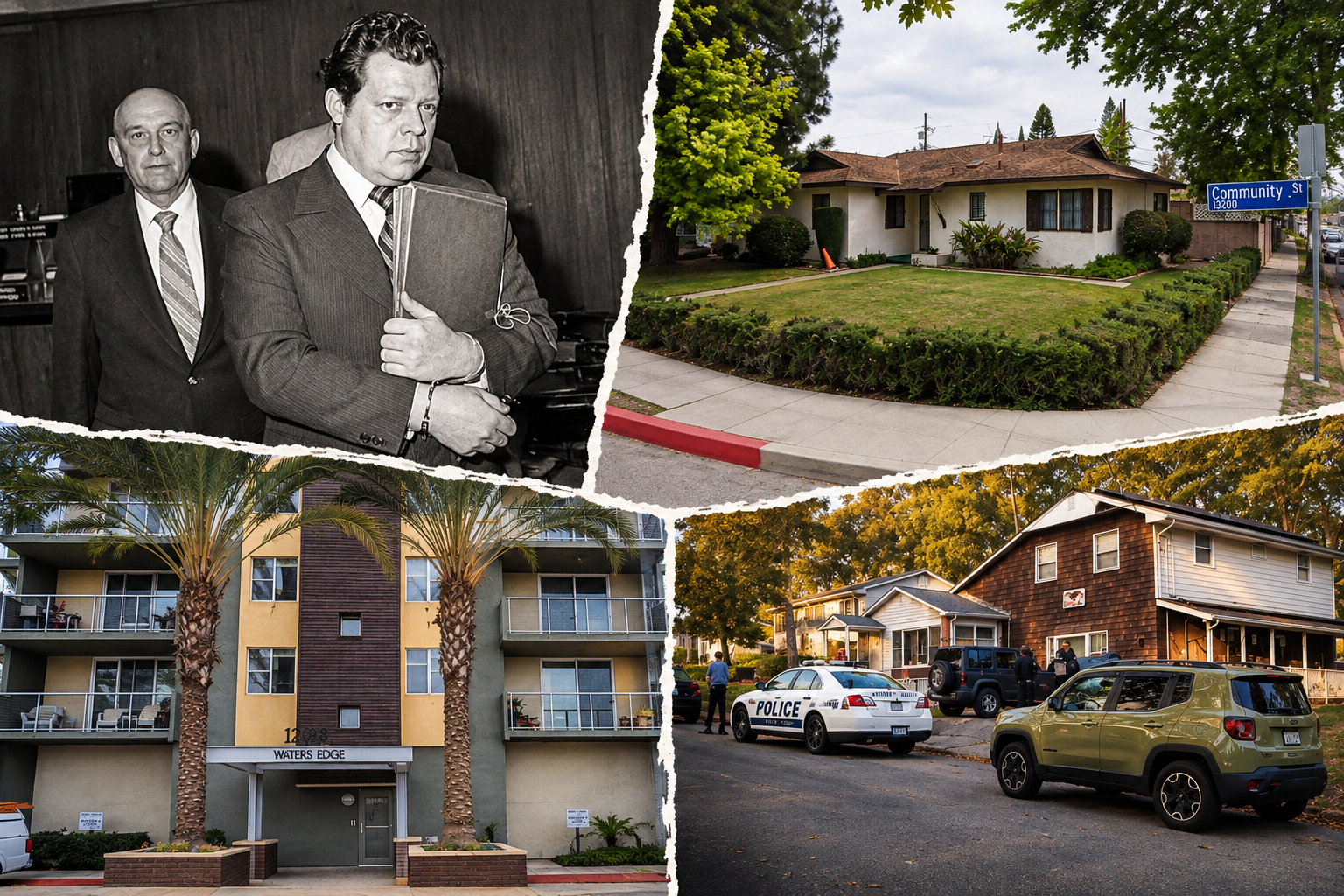
4 Real Halloween Horror Stories: Murders, Poisoned Candy, and Dark Secrets Hidden Inside Homes
From a killer disguised as a trick-or-treater to human remains discovered beneath a family home, these four documented cases reveal the unsettling histories behind ordinary American properties.
By Roy Condrey, DiedInHouse.com
October 31, 2026
Halloween is supposed to be a night of costumes, candy, haunted houses, and harmless scares.
But some of America's most disturbing Halloween stories aren't fictional. They happened in real neighborhoods, involved real families, and left behind histories that people still discuss decades later.
In one case, a man opened his front door to someone disguised as a trick-or-treater and was murdered.
In another, an eight-year-old boy died after eating Halloween candy poisoned by his own father.
Decades later, a family discovered the remains of their missing father buried beneath their home's basement floor.
And in California, neighbors reportedly mistook a deceased man on an apartment balcony for a Halloween decoration.
These four incidents occurred between 1957 and 2018. Three took place on Halloween itself, while the fourth occurred during the Halloween season.
What makes these stories particularly relevant to homebuyers and renters is that each is connected to a real residential property.
And they raise an important question:
Would you want to know if something like this happened at a house before buying or renting it?
1. The Halloween Trick-or-Treat Murder: A Deadly Visitor at the Front Door
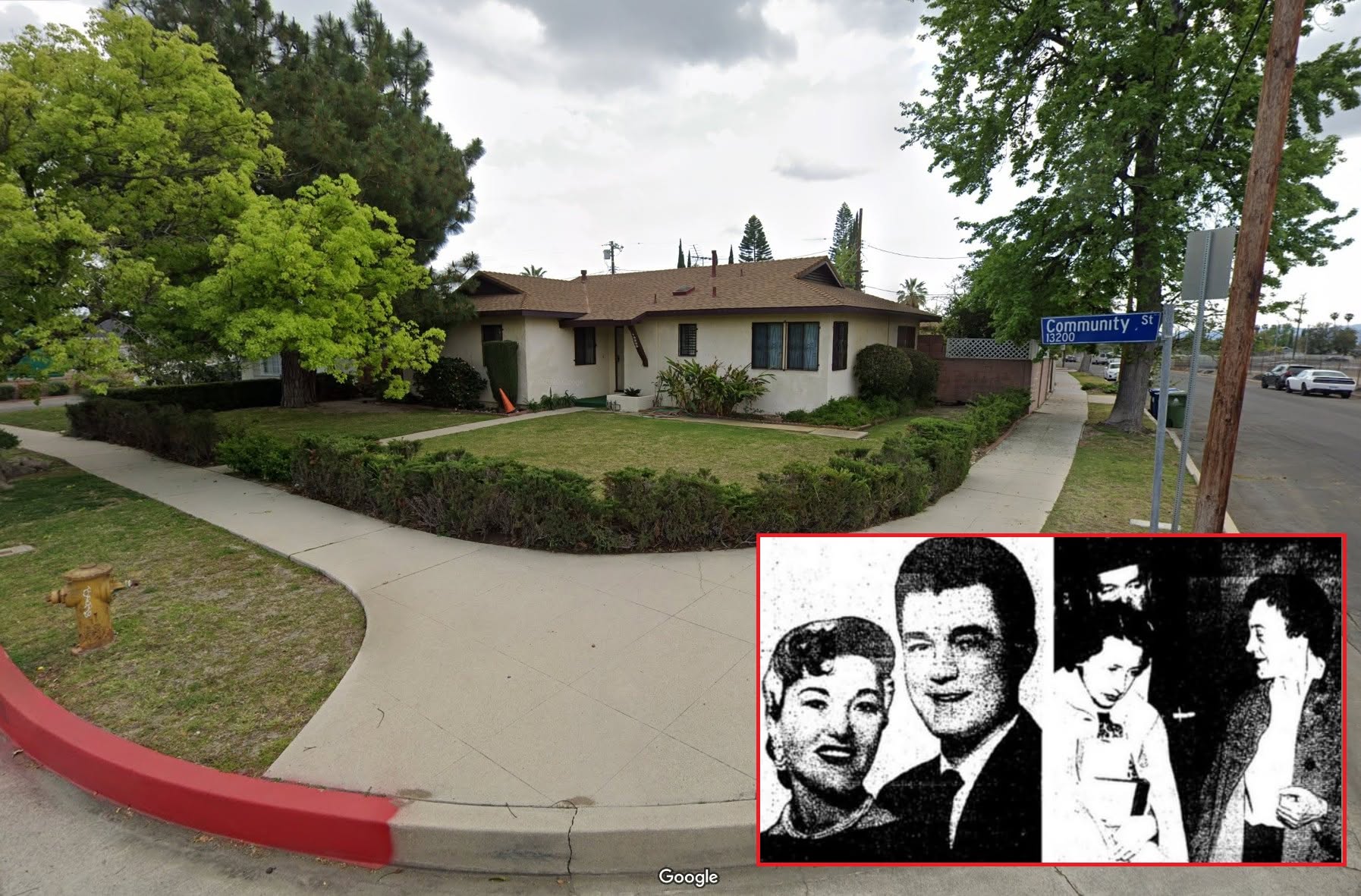
13236 Community Street, Sun Valley, Los Angeles, CA 91352
On October 31, 1957, Peter Fabiano, a 35-year-old Los Angeles hair salon owner, answered his front door shortly after 11:30 p.m.
Outside stood someone wearing a Halloween disguise and carrying a paper bag.
The visitor appeared to be a trick-or-treater.
But concealed inside the bag was a .38-caliber revolver.
The disguised visitor, Goldyne Pizer, shot Fabiano in the chest. He died shortly afterward.
Investigators eventually uncovered a murder plot involving Pizer and Joan Rabel, a former employee of Fabiano's salon who had previously been involved in a personal relationship with his wife, Betty.
According to historical reporting, Rabel had persuaded Pizer that Fabiano was a dangerous person who deserved to die.
The women planned the murder, obtained a firearm, and selected Halloween as an opportunity to approach the residence without immediately raising suspicion.
After the shooting, Pizer fled to a waiting vehicle driven by Rabel.
The investigation eventually led detectives to the murder weapon and the women responsible.
In 1958, both were convicted of second-degree murder and sentenced to prison.
The crime became known as the Trick-or-Treat Murder.
Historian Larry Harnisch revisited the case in an October 31, 2026, article, identifying the property at 13236 Community Street and documenting the murder through historical Los Angeles Times reporting.
Although the relationships among those involved have sometimes been described as a love triangle, the precise nature of those relationships remains uncertain.
What is not disputed is that Fabiano was murdered at his home on Halloween night.
He wasn't visiting a dangerous location or confronting someone on the street.
He was answering his own front door.
More than six decades later, the address remains associated with one of Los Angeles's most unusual Halloween murder cases.
Would knowing that someone was murdered at a home's front door affect your decision to buy it?
Source: https://ladailymirror.com/2026/10/31/october-31-1957-trick-or-treat-murder-2/
2. The Halloween Candy Man: The Father Who Poisoned His Own Son
Deer Park and Pasadena, Texas — October 31, 1974
For generations, American parents have warned children to inspect their Halloween candy.
One of the most notorious cases behind that fear involved a person the victim trusted completely.
His own father.
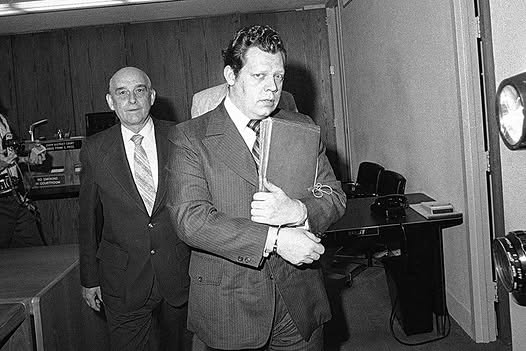
On October 31, 1974, Ronald Clark O'Bryan took his eight-year-old son, Timothy, and other children trick-or-treating in the Pasadena, Texas, area.
Later that evening, Timothy ate candy from a large Pixy Stix containing potassium cyanide.
The child complained that the candy tasted bitter.
His father gave him Kool-Aid, but Timothy quickly became seriously ill.
He began vomiting, suffered convulsions, and was taken for emergency medical treatment.
Timothy died that night.
Investigators initially examined the possibility that someone in the neighborhood had distributed poisoned candy.
But the investigation eventually focused on Timothy's father.
According to federal court records, O'Bryan had substantial financial problems and had obtained life insurance coverage on his children.
Evidence established that he had deliberately distributed five poisoned Pixy Stix.
One went to Timothy.
Four others were given to children, including Timothy's younger sister.
Fortunately, none of the other children consumed the poisoned candy.
Prosecutors established that O'Bryan had planned the crime as part of a scheme to collect life insurance money.
In 1975, he was convicted of capital murder.
He was executed by lethal injection on March 31, 1984.
The case became nationally known as the Halloween Candy Man murder.
Its impact reached far beyond the Houston area.
Parents became increasingly concerned about tampered Halloween candy, and the case helped reinforce fears about dangerous strangers distributing poisoned treats.
But the truth was very different from the popular fear.
Timothy wasn't killed by an unknown stranger handing out candy.
He was murdered by his father.
Decades of research have found that deliberate poisoning of Halloween candy by strangers is extraordinarily rare.
The O'Bryan case remains a documented example of how one crime can influence public fears for generations.
Property-history note: The O'Bryan family lived in Deer Park, Texas, and the trick-or-treating occurred in nearby Pasadena. A specific residential street address directly connected to Timothy's death has not been independently established for this article.
Sources:
https://law.justia.com/cases/federal/appellate-courts/F2/714/365/199818/
3. The Halloween Basement Discovery: A Father Missing for 57 Years
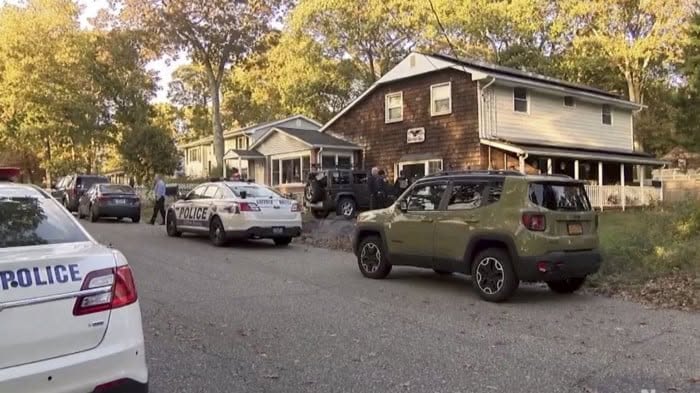
Olive Street, Lake Grove, New York — October 31, 2018
Imagine growing up believing your father abandoned your family.
Then, decades later, discovering that his remains had been buried beneath the basement floor of your childhood home.
That was the discovery made by Michael Carroll and his family in Lake Grove, New York.
Michael's father, George Carroll, disappeared in 1961.
For years, the family was told that George had simply left.
But rumors persisted that he might have been killed and buried beneath the house.
The Carroll family had owned the Olive Street property since 1955.
As an adult, Michael eventually decided to investigate the rumors.
He hired a ground-penetrating radar specialist to examine the basement for possible disturbances beneath the floor.
The results identified areas worth investigating.
Michael and his two adult sons began excavating.
On October 31, 2018, while neighborhood children were celebrating Halloween, the family discovered human remains buried approximately four to five feet beneath the concrete basement floor.
Suffolk County police responded and began investigating.
At the time, authorities could not immediately confirm whose remains had been discovered.
That answer came later.
In December 2018, DNA testing confirmed that the remains belonged to George Carroll, Michael's missing father.
Police classified the death as a homicide.
However, investigators did not publicly establish who was responsible, and authorities acknowledged that the circumstances surrounding George's death might never be fully determined.
The discovery received national attention because of its extraordinary circumstances.
For decades, an ordinary family home had concealed the remains of a missing man.
There were no obvious signs visible from the street.
The answer to a family mystery had been hidden beneath the basement all along.
The full residential street number has not been independently verified for this article, but contemporary reporting identifies the home as being on Olive Street in Lake Grove.
For homebuyers, the case raises an unsettling question.
How much can you really know about a property's history simply by walking through it?
Sources:
https://www.cbsnews.com/newyork/news/long-island-human-remains-found/
https://www.cbsnews.com/news/remains-found-in-basement-solve-decades-old-mystery-of-missing-dad/
4. The Body Mistaken for a Halloween Decoration
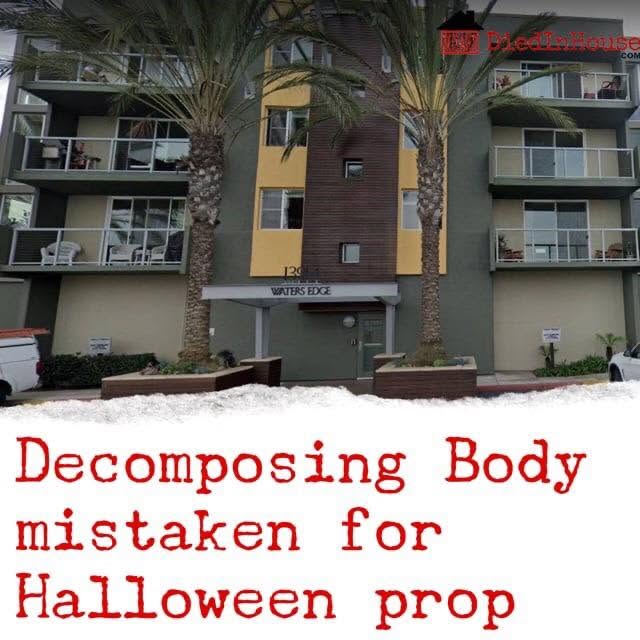
Bora Bora Way, Marina del Rey, California — October 2009
Halloween decorations can look frighteningly realistic.
But in October 2009, residents of a Marina del Rey apartment complex reportedly mistook something real for a holiday display.
It was the body of a neighbor.
Mostafa Mahmoud Zayed, 75, was discovered deceased on the balcony of his third-floor apartment.
According to an October 17, 2009, Los Angeles Times report, Zayed had apparently been dead for several days before authorities were notified.
His body was visible from other areas of the apartment complex.
Some neighbors reportedly noticed the figure but believed it was a Halloween decoration.
Because the incident occurred during the Halloween season, the unusual scene was apparently dismissed as a display rather than recognized as an emergency.
Authorities described the death as an apparent suicide.
The original reporting did not establish a final official cause-of-death determination, so the case should not be described as a conclusively confirmed suicide without additional medical examiner records.
The incident attracted national attention because of the unusual circumstances.
A real death had gone unreported for days, reportedly because people assumed they were looking at something artificial.
The Los Angeles Times identified the apartment complex as being on Bora Bora Way in Marina del Rey.
However, the exact building number and apartment unit have not been independently established for this article.
The story illustrates how a residential property can become connected to an unusual and widely reported event without appearing remarkable from the outside.
It also raises a question for future occupants.
Would you want to know that a widely publicized death occurred at an apartment before deciding to live there?
Source:
https://www.latimes.com/archives/la-xpm-2009-oct-17-me-marina-death17-story.html
What Makes These Properties Stigmatized?
Although these four incidents are very different, each demonstrates how a residential address can become associated with a significant event.
In real estate, a property affected by certain reputational concerns may be described as a stigmatized property.
Examples include homes associated with:
-
Murders and other violent crimes
-
Suicides or deaths
-
Notorious former occupants
-
Widely publicized criminal incidents
-
Reported paranormal activity
A stigmatized property isn't necessarily unsafe, damaged, or structurally defective.
The concern is often psychological rather than physical.
Some buyers may not care about a home's past.
Others may consider certain historical events important enough to influence their decision.
A home's reputation can also attract curiosity, media attention, or unwanted visitors.
That's why property-history research can be an important part of the homebuying process.
Do Sellers Have to Disclose a Murder, Suicide, or Death?
Here's something many homebuyers don't realize.
Depending on the state and circumstances, a seller may not be legally required to volunteer information about a previous death, murder, suicide, or other psychologically stigmatizing event.
Disclosure laws vary across the United States.
Some states specifically address deaths and psychological stigmas in their real estate laws.
Others focus primarily on physical defects that affect a property's condition or value.
Sellers may have additional obligations when responding to direct questions, making representations about the property, or disclosing physical damage related to a previous incident.
Buyers should review their state's laws and consult a qualified real estate professional or attorney when disclosure questions arise.
But one thing is important to understand.
A home inspection generally evaluates the physical condition of a property.
An appraisal primarily addresses its market value.
Neither is designed to provide a comprehensive historical investigation of every death, crime, or unusual event associated with an address.
That's why researching the property's history should be a separate part of due diligence.
Before Buying a Home, Research Its History
Imagine finding a house you love.
The price is right.
The neighborhood looks great.
The inspection reveals no major problems.
Then, after moving in, you discover something significant happened there years earlier.
Perhaps it wouldn't have changed your decision.
But wouldn't you have preferred to know beforehand?
At DiedInHouse.com, we believe buyers, renters, and real estate investors should have access to as much relevant property-history information as reasonably available before making major financial decisions.
Since launching in 2013, DiedInHouse.com has evolved from a service focused on researching deaths inside homes into a broader property-history research platform.
We kept the spooky name, but houses have more stories than just ghost stories.
Our sister website, HouseHas.com, offers a less death-focused approach to property-history research.
Both services use proprietary technology and available public and private data sources to help expedite due-diligence research.
Depending on the report selected and the information available, research may uncover records involving deaths, crimes, fires, ownership, sales history, and other property-related events.
No database or research service can guarantee discovering every death, crime, or historical incident.
Some events were never documented. Other records may be incomplete, inaccurate, restricted, or unavailable.
Our goal is to help customers discover relevant information faster so they can make more informed decisions.
Before spending hundreds or thousands of dollars on inspections, appraisals, and other purchasing expenses, consider researching the property's history.
House History First. Then Inspection. Then Appraisal.
Visit DiedInHouse.com or HouseHas.com to explore available property-history reports.
This Halloween, Remember That Every House Has a History
Halloween is filled with fictional stories about haunted houses, masked strangers, and frightening discoveries.
But these four documented cases remind us that some of the most disturbing stories in American history happened in ordinary residential neighborhoods.
The homes didn't necessarily look unusual.
The streets weren't famous before the events.
And the families involved could never have imagined how widely their stories would be remembered.
Some property histories become national headlines.
Others remain buried in old newspapers, public records, or family memories.
And many never become widely known at all.
So the next time you find a house you love, remember:
You can inspect the roof, check the foundation, and research the neighborhood.
But have you researched the address?
Because Halloween lasts one night.
A home's history can last forever.
Know before you spend.
Sources and Further Reading
-
Los Angeles Daily Mirror — October 31, 1957: Trick or Treat Murder
https://ladailymirror.com/2026/10/31/october-31-1957-trick-or-treat-murder-2/ -
United States Court of Appeals for the Fifth Circuit — Ronald Clark O'Bryan v. W.J. Estelle
https://law.justia.com/cases/federal/appellate-courts/F2/714/365/199818/ -
The Washington Post — A Poisoned Legacy to Halloween
https://www.washingtonpost.com/archive/politics/1999/10/31/a-poisoned-legacy-to-halloween/8a5a7624-05ad-41a2-b52e-8d31e8d6ab29/ -
CBS New York — Long Island Family Discovers Skeletal Remains in Basement
https://www.cbsnews.com/newyork/news/long-island-human-remains-found/ -
CBS News — Remains Found in Basement Solve Decades-Old Mystery
https://www.cbsnews.com/news/remains-found-in-basement-solve-decades-old-mystery-of-missing-dad/ -
Los Angeles Times — Neighbors Thought Dead Man's Body Was Part of Halloween Display
https://www.latimes.com/archives/la-xpm-2009-oct-17-me-marina-death17-story.html -
National Association of REALTORS — Stigmatized Properties
https://www.nar.realtor/stigmatized-properties
You May Also Like
Pennsylvania's Famous 'Demon House' Is for Sale: The Haunting History of 3406 Brownsville Road
October 31, 2026 · By Roy Condrey, DiedInHouse.com
Pennsylvania's famous Demon House at 3406 Brownsville Road, Brentwood, is for sale for $550,000. Discover its reported haunting and property history.
9335 Columbia Blvd: 3 Murders, 2 Homeowners, 1 House
October 31, 2026 · By Roy Condrey, DiedInHouse.com
Three people were murdered at 9335 Columbia Blvd, formerly 9337, in Silver Spring, MD. Discover the home's history, address change, and Maryland disclosure law.
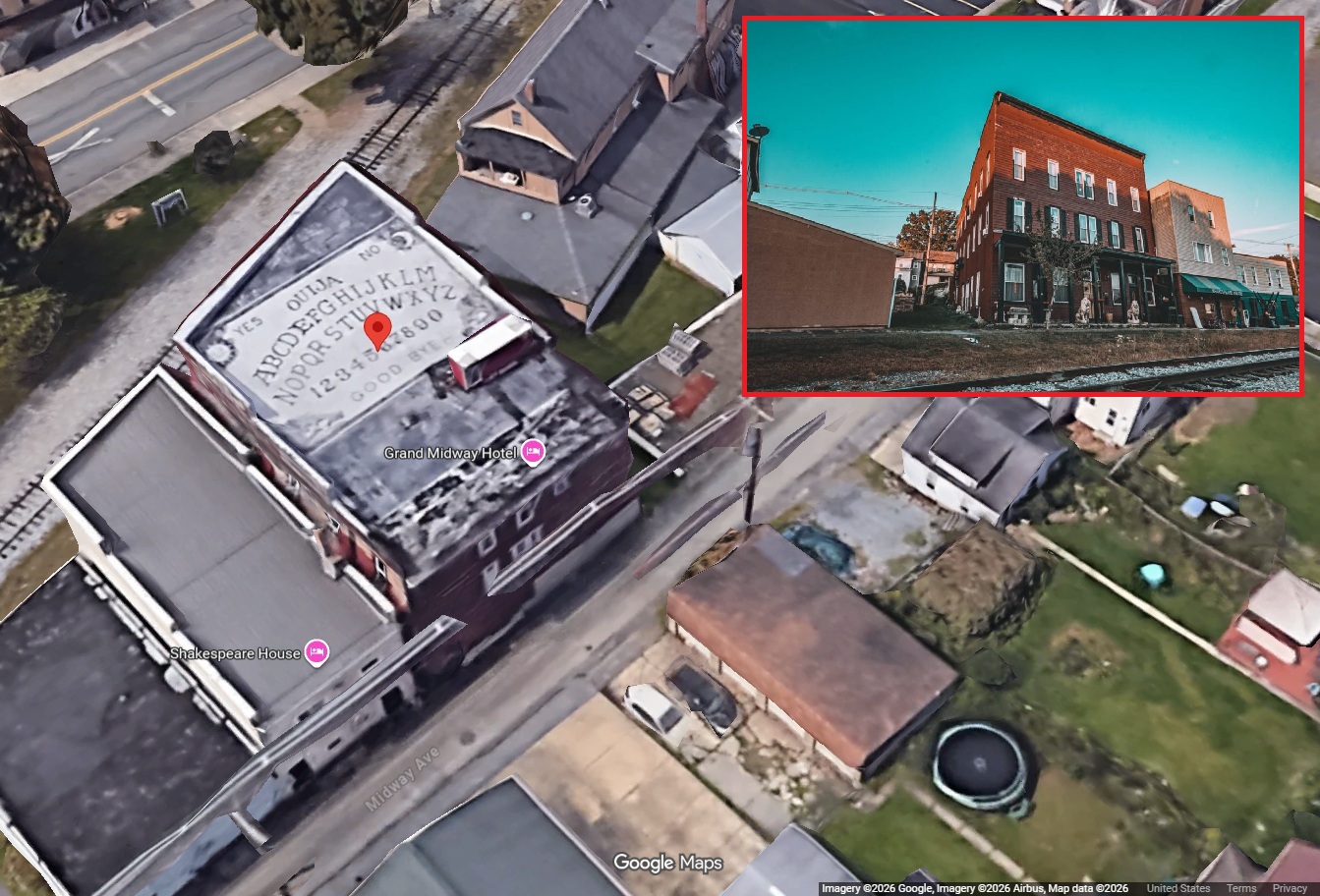
World’s Largest Ouija Board - 1303 Midway Avenue, Windber, PA: Grand Midway Hotel History
October 30, 2026 · By Roy Condrey, DiedInHouse.com
Explore the history of the Grand Midway Hotel at 1303 Midway Avenue, Windber, PA—its $11,000 eBay purchase, Guinness World Records, paranormal reputation, and why researching an address matters.
DiedInHouse.com: The Story Behind the Website Featured by Forbes, ABC News and Reuters
October 30, 2026 · By DiedinHouse.com
Discover how DiedInHouse.com went from a haunted rental question to national news coverage, and why researching a home's history matters before buying.
1611 W. 24th Street, Miami Beach: Alexander Brothers' $9.75M Mansion, Peacock Documentary, and Foreclosure History
October 29, 2026 · By Roy Condrey, DiedInHouse.com and HouseHas.com
Discover the history of 1611 W. 24th Street, Miami Beach, a $9.75M mansion linked to the Alexander brothers, their Peacock documentary, and foreclosure case.
Matthew Perry's House at 18038 Blue Sail Drive: The Tragic History Behind the Netflix Documentary
October 28, 2026 · By Roy Condrey, DiedInHouse.com and HouseHas.com
Discover what happened at 18038 Blue Sail Drive, the Pacific Palisades home where Matthew Perry died, its $8.55M sale, and California disclosure laws.
2555 W 37th Ave: Denver Murder Mansion for Sale
October 28, 2026 · By Roy Condrey, DiedInHouse.com
Denver's Lumber Baron Inn at 2555 W 37th Ave is for sale for $2.995M. Discover its unsolved 1970 double murder, reported hauntings and history.
Hulk Hogan's 1040 Eldorado Ave Home Sells for $5.9M
October 26, 2026 · By Roy Condrey, DiedInHouse.com
Hulk Hogan's Clearwater Beach mansion at 1040 Eldorado Avenue sold for $5.9M, 46% below its original asking price. Explore its property history.
Alex Murdaugh’s Moselle Estate Is Off Market After $2.2 Million Listing Ahead of 2027 Murder Retrial
October 25, 2026 · By Roy Condrey Founder of DiedinHouse.com
The former Murdaugh estate at 4147 Moselle Road in Islandton, SC, remains off market after a $2.2 million listing as Alex Murdaugh prepares for a 2027 murder retrial.
1301 Kansas Avenue: Deaths at Haunted McInteer Villa
October 25, 2026 · By Roy Condrey, DiedInHouse.com
Who died at 1301 Kansas Avenue? Explore the documented deaths, 1922 suicide and haunted history of McInteer Villa in Atchison, Kansas.
The Poltergeist II House at 1589 Homewood Drive: Reverend Kane, Hollywood History, and the Eaton Fire
October 20, 2026 · By Roy Condrey, DiedInHouse.com
Discover the history of 1589 Homewood Drive, Altadena, the Poltergeist II filming location tied to Reverend Henry Kane and lost in the 2025 Eaton Fire.
She Paid $610,000 for a House Where a Murder-Suicide Occurred. The Sellers and Their Realtors Knew but Never Told Her.
October 11, 2026 · By Roy Condrey, DiedInHouse.com
A woman bought 12 Pickering Trail in Thornton, PA for $610,000, unaware of a murder-suicide. The sellers and agents knew. Here's what happened next.
Why I Started DiedInHouse: What Sellers Don't Disclose
October 11, 2026 · By Roy Condrey, DiedInHouse.com
Why did Roy Condrey create DiedInHouse and HouseHas? Learn what sellers may not disclose and how a home's history could influence price and buyer decisions.
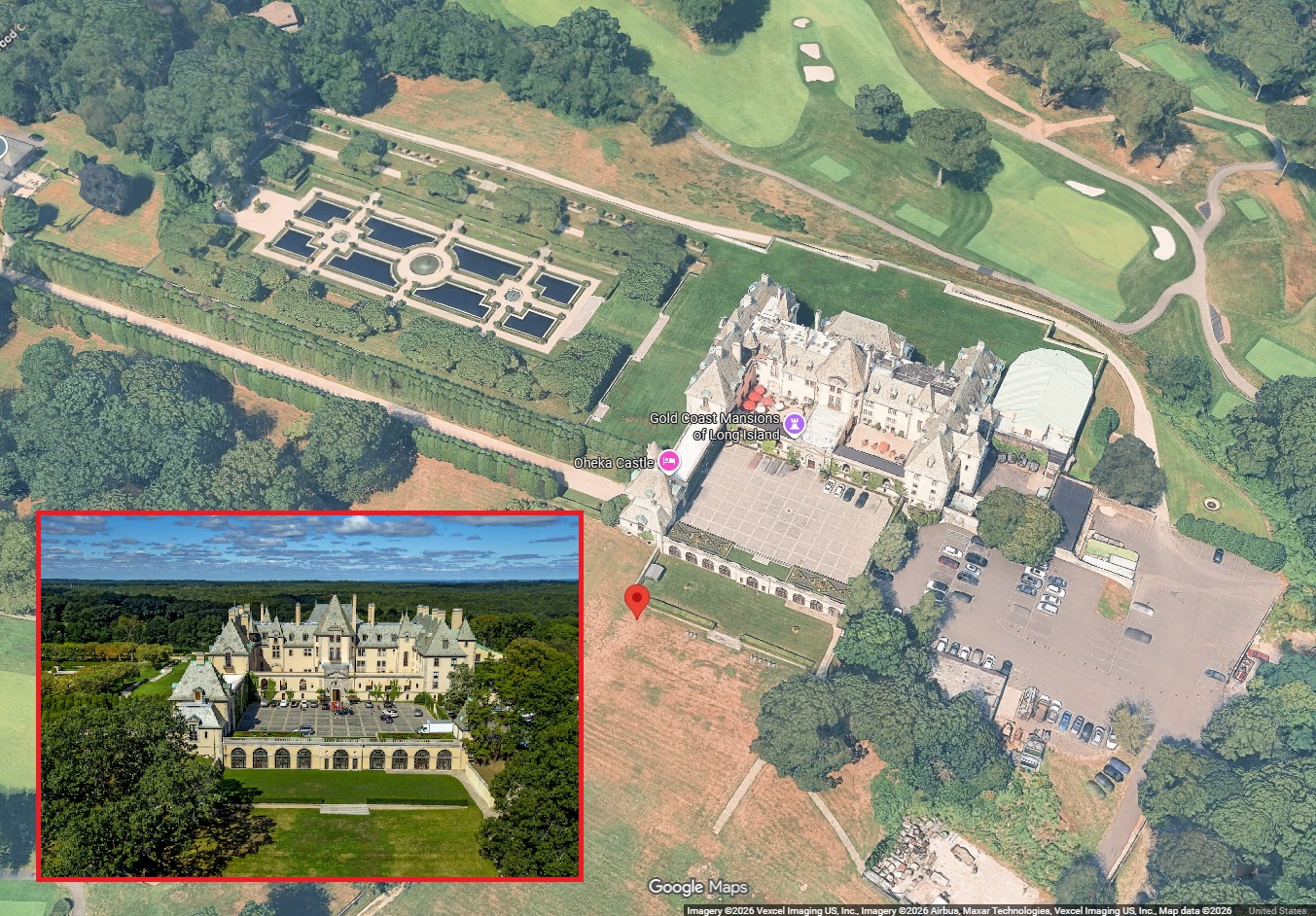
OHEKA Castle Auction 2026: History of 135 West Gate Drive
October 01, 2026 · By Roy Condrey Founder of DiedinHouse.com
OHEKA Castle at 135 West Gate Drive in Huntington, NY is heading to auction October 27. Explore its history, Taylor Swift connection, celebrity weddings, bankruptcy and unsolved 2014 shooting.
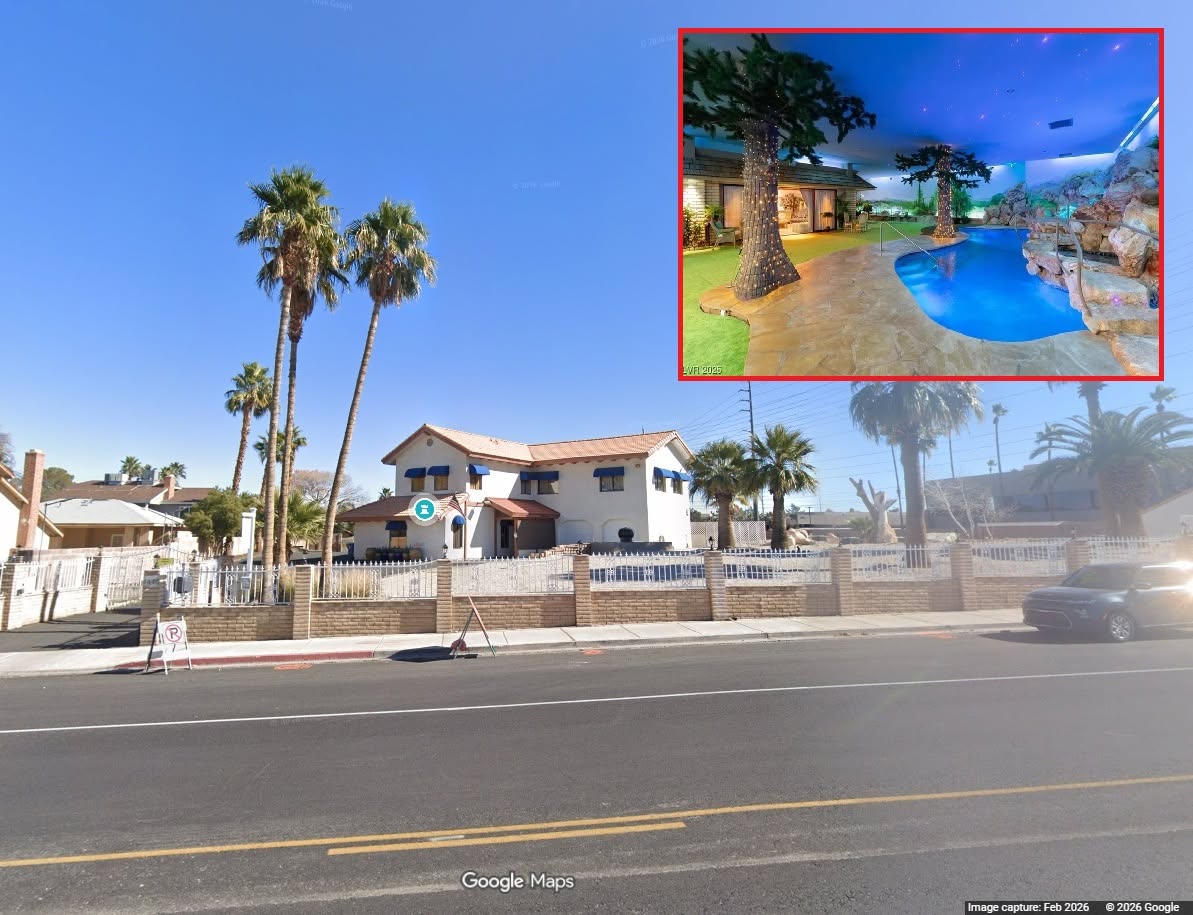
Zak Bagans Buys Las Vegas Underground House for $4.55M
October 01, 2026 · By Roy Condrey, DiedInHouse.com
3970 Spencer St, Las Vegas, the underground bunker Zak Bagans bought for $4.55M. Discover its history, former owner, and museum plans.

Marilyn Monroe House: Owners Lose Court Fight Over 12305 5th Helena Drive
October 01, 2026 · By Roy Condrey DiedinHouse.com and HouseHas.com
Owners of Marilyn Monroe’s former home at 12305 Fifth Helena Drive, Los Angeles, CA 90049 have lost another federal challenge to Los Angeles’ historic protection of the property.
Just in Time for Halloween - Reportedly Haunted 1734 South Carolina House Is Already Under Contract
September 27, 2026 · By Roy Condrey Founder of DiedinHouse.com
A reportedly haunted historic house at 719 Prince Street in Georgetown, SC, was listed for $1.05 million and is already under contract. Here's its history
I Visited Zak Bagans’ Haunted Museum — Here’s What Happened
September 23, 2026 · By Roy Condrey DiedinHouse.com
I visited Zak Bagans’ Haunted Museum at 600 E Charleston Boulevard in Las Vegas. Explore the Wengert Mansion’s history, Bela Lugosi mirror, true-crime artifacts and reportedly haunted objects.
Holly Madison’s reportedly haunted Hollywoodland home is now for rent at $9,500 a month
September 22, 2026 · By Roy Condrey
Holly Madison’s reportedly haunted Hollywoodland home at 6311 Heather Drive, Los Angeles, is listed for rent at $9,500 a month. Explore the 1926 Tudor’s history, Madison’s paranormal claims and its Ghost Adventures investigation.

Inside The Stanley Hotel: The Real-World Chills Behind Stephen King’s ‘The Shining’ - 333 Wonderview Ave, Estes Park, CO 80517
July 06, 2026 · DiedinHouse.com
Discover the dark history, active haunts, and structural secrets of America’s most famous paranormal resort.

The LaLaurie Mansion: The True Story Behind America’s Most Infamous Haunted House - 1140 Royal Street, New Orleans, Louisiana 70116
July 05, 2026 · DiedinHouse.com
Explore the true history of the LaLaurie Mansion at 1140 Royal Street, New Orleans, including ownership, architecture, crimes, legends, and law.

Lizzie Borden House: Murders, Hauntings & History
June 19, 2026 · DiedinHouse.com
Explore the Lizzie Borden House at 230 Second Street, Fall River. Discover the 1892 murders, alleged hauntings, and what happened to the historic home.