Feng Shui: Meaning, Principles & How to Feng Shui Your Home
October 29, 2026 · By Roy Condrey, DiedInHouse.com and HouseHas.com
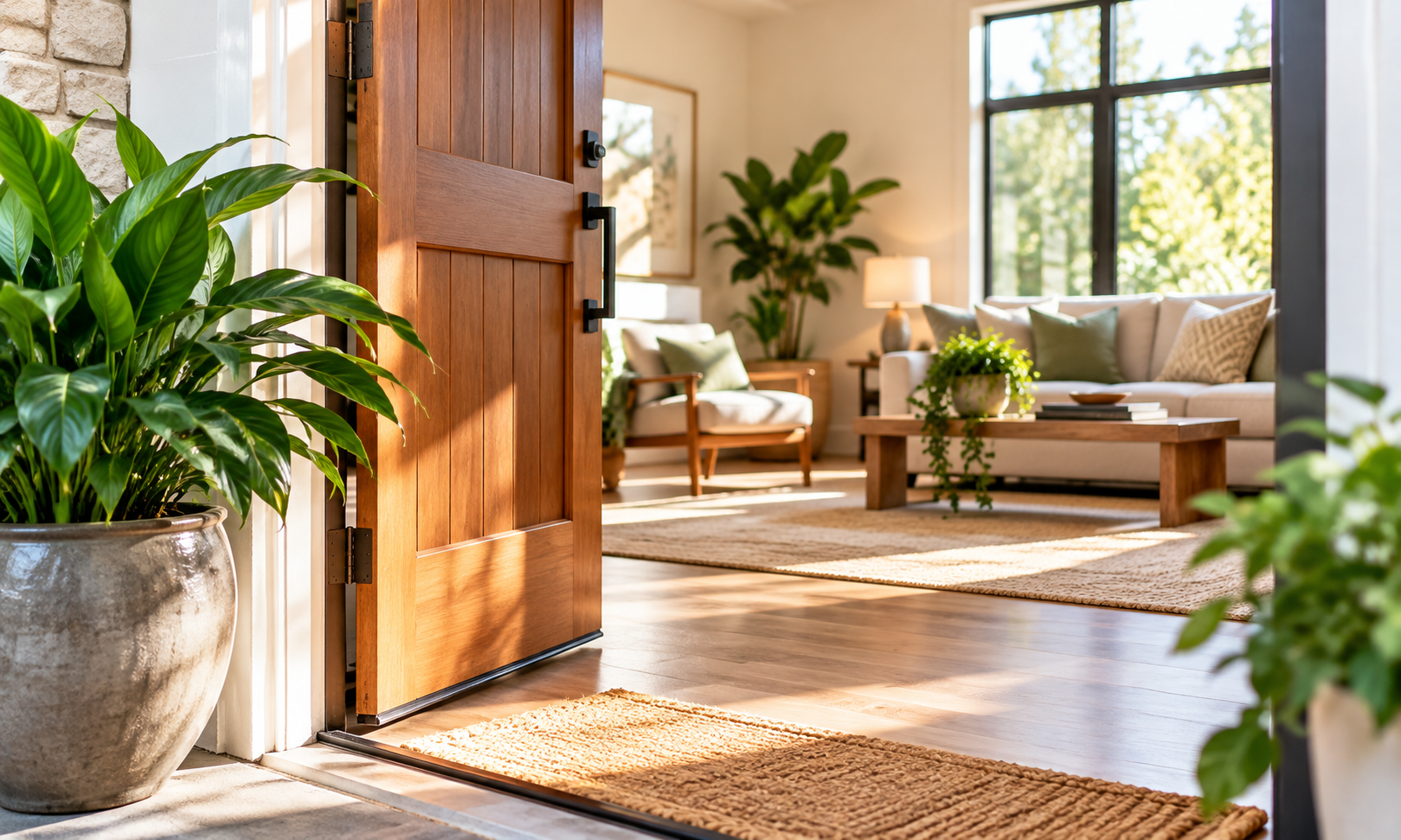
Feng Shui Guide: What It Means and How to Feng Shui Your House
The Complete Beginner's Guide to Feng Shui, the Five Elements, Bagua Map, Bedroom Layout, Home Design, and What to Know Before Buying a House
By Roy Condrey, DiedInHouse.com and HouseHas.com
Originally published October 29, 2026 | Updated October 31, 2026
Want to know how to Feng Shui your house? Start with your front door, clear unnecessary clutter, improve natural lighting, and arrange your furniture to create a comfortable, balanced living space.
But Feng Shui is much more than decorating.
This centuries-old Chinese tradition considers how people interact with their surroundings, from the direction a house faces to the arrangement of its rooms and the landscape outside.
Whether you're learning Feng Shui for the first time, decorating a bedroom, moving into an apartment, or buying a house, understanding its basic principles can help you approach your living space differently.
And if you're purchasing a home, there's another consideration that many decorating guides overlook: the property's history.
This guide explains what Feng Shui means, how its traditional principles work, the five elements, the Bagua map, common decorating practices, and 15 ways to apply Feng Shui-inspired ideas throughout your home.
What Is Feng Shui?
Feng Shui (pronounced "fung shway") is a traditional Chinese practice concerned with the relationship between people and their physical surroundings.
The words Feng Shui translate to "wind" and "water."
Historically, Feng Shui developed through Chinese traditions involving landscape, orientation, buildings, and the placement of important sites.
Today, it is commonly associated with home design, furniture placement, architecture, landscaping, and creating harmonious living environments.
At the center of many Feng Shui traditions is the concept of qi, sometimes written as chi.
Qi is understood within traditional Chinese thought as a vital force or energy. In Feng Shui, practitioners consider how a home's surroundings and arrangement may influence its movement.
Traditional Feng Shui should not be confused with a scientifically established method of controlling physical energy.
There is no reliable scientific evidence that rearranging furniture changes a measurable qi field or guarantees wealth, health, or good fortune.
However, practical ideas associated with Feng Shui, such as improving lighting, maintaining clear pathways, reducing clutter, and creating comfortable spaces, can make a home more functional and pleasant.
What Are the Basic Principles of Feng Shui?
Although different Feng Shui schools use different methods, several concepts appear frequently.
1. Qi: The Flow of Energy
In traditional Feng Shui, qi is associated with the relationship between people and their surroundings.
A cluttered entrance, awkward layout, or obstructed hallway may be interpreted as interfering with the movement of qi.
From a practical standpoint, clear pathways and organized rooms also make everyday activities easier.
2. Yin and Yang: Creating Balance
Yin and yang represent complementary qualities in Chinese philosophy.
Yin is often associated with quiet, rest, softness, and darkness.
Yang is often associated with activity, brightness, movement, and stimulation.
A bedroom may benefit from a calmer atmosphere, while a kitchen or family gathering area may require brighter lighting and more activity.
The objective is not to eliminate one quality but to create an appropriate balance.
3. The Five Elements
Traditional Feng Shui uses five interconnected phases or elements: wood, fire, earth, metal, and water.
These represent relationships and patterns within the environment, rather than simply five physical materials.
4. The Bagua Map
The Bagua is a symbolic framework used to interpret different aspects of a space.
Depending on the Feng Shui school, practitioners may apply it using compass directions or the position of the front entrance.
5. Location, Direction, and Surroundings
Traditional Feng Shui may consider a property's orientation, nearby roads, surrounding buildings, hills, waterways, and other environmental features.
These factors also deserve practical consideration when choosing a house.
The Five Elements of Feng Shui Explained
The five elements are one of the most recognizable concepts in Feng Shui.
Each element is traditionally associated with particular qualities, colors, shapes, and relationships.
Wood: Growth and Vitality
Wood is associated with growth, renewal, flexibility, and development.
Common associations include green, certain blue-green shades, plants, and tall or rectangular shapes.
Fire: Energy and Activity
Fire is associated with warmth, visibility, passion, and activity.
Common associations include red, bright orange, strong lighting, and triangular shapes.
Earth: Stability and Support
Earth is associated with nourishment, grounding, stability, and support.
Common associations include yellow, beige, brown, ceramics, and square shapes.
Metal: Clarity and Structure
Metal is associated with precision, organization, structure, and clarity.
Common associations include white, gray, metallic finishes, and circular shapes.
Water: Flow and Reflection
Water is associated with movement, adaptability, reflection, and wisdom.
Common associations include black, dark blue, mirrors, and flowing or irregular shapes.
These associations vary somewhat across schools and teachers.
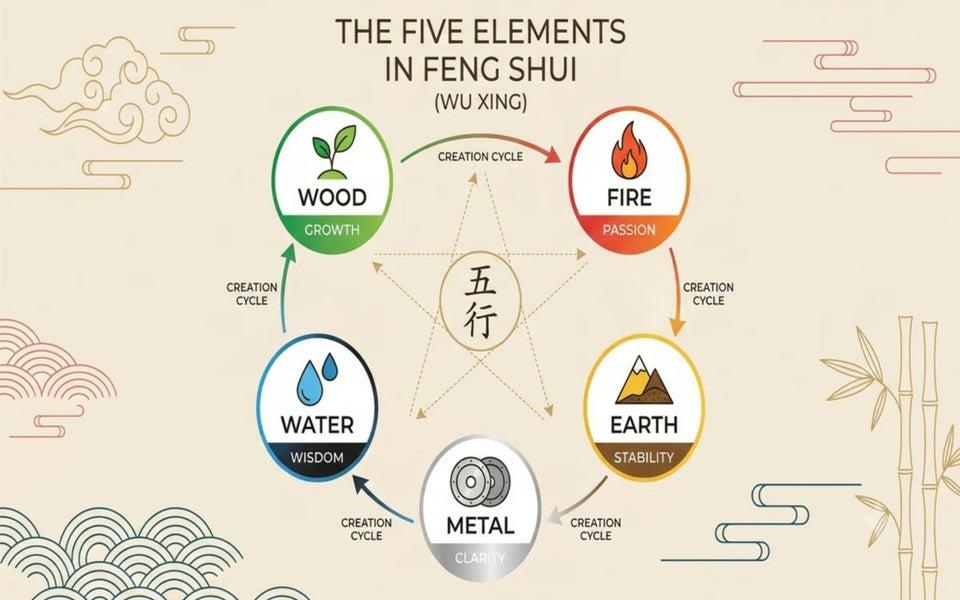
The five elements of Feng Shui—wood, fire, earth, metal, and water—and their traditional colors, qualities, and relationships.
How Do the Five Elements Work Together?
Traditional five-element theory describes several relationships, including a generating cycle and a controlling cycle.
In the generating cycle:
Wood feeds Fire. Fire produces ash associated with Earth. Earth gives rise to Metal. Metal is traditionally linked with Water. Water nourishes Wood.
The controlling cycle describes another set of symbolic relationships used to interpret balance.
You don't need to redecorate your entire home around these cycles.
For beginners, understanding the five elements provides a foundation for exploring traditional Feng Shui principles and how they are applied to interior design.
What Is a Feng Shui Bagua Map?
The Bagua is a traditional framework that divides a space into eight symbolic sectors surrounding a central area.
In popular home Feng Shui, these areas are often associated with subjects such as career, relationships, family, prosperity, knowledge, creativity, recognition, and helpful people.
The center is commonly associated with health or overall balance.
The Bagua is not a scientific map of energy. It is a traditional interpretive tool.
The Nine Areas of a Common Western Bagua Map
A frequently used Western or BTB-style Bagua grid includes:
| Area | Traditional association |
|---|---|
| Wealth and Prosperity | Abundance and resources |
| Fame and Reputation | Recognition and visibility |
| Love and Relationships | Partnerships and connection |
| Family | Family relationships and heritage |
| Health / Center | Overall balance |
| Children and Creativity | Creativity and expression |
| Knowledge | Learning and personal development |
| Career | Life path and work |
| Helpful People and Travel | Support and connections |
[INSERT ILLUSTRATION 2 HERE: LABELED NINE-AREA BAGUA MAP — PRIORITY IMAGE]
Suggested image caption: A nine-area Western Feng Shui Bagua map showing the traditional associations of each section. Compass-based Bagua systems use a different orientation method.
How to Use a Bagua Map in Your House
Start with a simple floor plan of your home.
Identify the main entrance and determine which Bagua method you intend to use.
In some Western or BTB approaches, the Bagua is aligned with the entrance side of the floor plan.
In compass-based schools, the directions of the building and its surroundings are used instead.
These methods should not be mixed casually, because their placement systems differ.
For beginners, the Bagua can serve as a way to think about how different spaces are used, but there is no need to treat every symbolic association as a fixed rule.
How to Feng Shui Your House: 15 Practical Tips
You don't need an expensive renovation or a complete furniture replacement to begin.
Here are 15 common Feng Shui-inspired ideas to consider.
1. Start With Your Front Door
In many Feng Shui traditions, the front door is called the "mouth of qi."
It is considered an important entrance through which energy enters the home.
Keep the walkway clear, repair damaged hardware, clean the door, and make sure the entrance is well-lit.
A welcoming front entrance can also improve the everyday experience of arriving home.
2. Remove Unnecessary Clutter
Clutter is often associated with stagnant qi in popular Feng Shui teachings.
Regardless of tradition, excessive clutter can make a room feel crowded and difficult to use.
Start with hallways, countertops, entryways, and bedroom floors.
You don't need a perfectly minimalist house. Aim for spaces that support your daily activities.
3. Put Your Bed in the Commanding Position
One of the most common Feng Shui bedroom recommendations is to place your bed where you can see the door without being directly in line with it.
This arrangement is often called the commanding position.
A solid wall behind the headboard is also commonly recommended.
If the layout makes this impossible, prioritize comfortable sleeping conditions and safe access around the bed.
4. Create a Calm Bedroom
Bedrooms are generally intended for rest.
Use comfortable bedding, reduce unnecessary clutter, and choose lighting that can be softened in the evening.
Some practitioners discourage mirrors directly facing the bed, although this is a traditional preference rather than a scientifically proven sleep rule.
5. Improve Natural Lighting
Open curtains during the day when practical.
Avoid blocking windows with oversized furniture.
Pay attention to how sunlight moves through your home and whether rooms become uncomfortably hot or remain excessively dark.
Lighting can influence both the appearance and functionality of a room.
6. Choose Colors Thoughtfully
Feng Shui colors are often associated with the five elements.
Green may represent wood, red fire, yellow earth, white metal, and dark blue or black water.
There is no universal color that is best for every home.
Consider the room's purpose, available light, furniture, and your personal preferences.
7. Arrange Living Room Furniture for Conversation
Position seating so people can interact comfortably.
Keep walkways open and avoid placing furniture where it obstructs doors.
Some Feng Shui approaches prefer seating with a view of the room's entrance.
A balanced living room should also be comfortable and practical.
8. Maintain a Clean, Functional Kitchen
Traditional Feng Shui often associates the kitchen with nourishment and prosperity.
The stove receives particular symbolic attention in many teachings.
From a practical standpoint, keep appliances working, repair leaks, maintain ventilation, and make cooking areas safe.
9. Bring Nature Indoors
Houseplants can add color and texture to a living space.
Plants such as jade plants, money trees, and bamboo arrangements are often discussed in Feng Shui-inspired decorating.
Choose plants appropriate for the lighting and safe for household pets and children.
No plant can guarantee prosperity or good luck.
10. Keep Hallways and Walkways Clear
Avoid blocking passageways with furniture, boxes, or other belongings.
Traditional Feng Shui may interpret these obstructions symbolically.
Clear pathways also improve accessibility and safety.
11. Use Mirrors Carefully
Mirrors are commonly associated with reflection, light, and space.
Some Feng Shui traditions discourage mirrors directly opposite the front door or bed.
Other schools interpret their placement differently.
In everyday design, mirrors can help brighten a room or make a small space feel more open.
12. Repair Broken Items
Fix leaking faucets, damaged doors, faulty lights, and other maintenance problems.
These issues are sometimes viewed symbolically in Feng Shui.
More importantly, timely repairs can improve safety, comfort, and the condition of your property.
13. Consider House Direction and Surroundings
Traditional Feng Shui systems may evaluate compass direction, building orientation, nearby roads, landscape features, and surrounding structures.
When buying a home, also consider sunlight, traffic, drainage, noise, privacy, and access.
14. Prepare Your Home Before Moving In
Before unpacking, clean the rooms, plan furniture placement, check lighting, organize storage, and address maintenance issues.
Some families also follow house-blessing or cleansing traditions.
These practices differ among cultures and households and should be understood in their own contexts.
15. Research Your House's History
This last consideration is particularly relevant to homebuyers and renters.
A house may have attractive landscaping, a welcoming entrance, and a layout that fits your preferred Feng Shui principles.
But what do you know about its past?
Was the property associated with a documented death, serious crime, major fire, or other significant event?
Not everyone considers these events important. For those who do, learning about a property's history before moving in may prevent an unwanted surprise.
Feng Shui by Room: Where Should You Start?
Different rooms serve different purposes, so a practical Feng Shui-inspired approach should reflect how each space is used.
Feng Shui Bedroom
Prioritize comfort, rest, appropriate lighting, and a furniture arrangement that allows easy movement.
The commanding position is a commonly discussed starting point for bed placement.
Feng Shui Living Room
Arrange seating to encourage conversation, keep pathways clear, and consider a balanced mix of lighting and furniture.
Feng Shui Kitchen
Maintain clean work surfaces, safe appliances, adequate ventilation, and accessible storage.
Feng Shui Bathroom
Keep the room clean, repair leaks, provide ventilation, and maintain functional plumbing.
Feng Shui Home Office
Choose a comfortable desk position, reduce distractions, and ensure appropriate lighting.
Some practitioners recommend positioning the desk so the doorway remains visible.
Feng Shui Front Door
Keep the entrance accessible, attractive, and well-maintained.
For a new home, examine the walkway, surrounding landscape, lighting, and position of the door.
Feng Shui Colors and Their Meanings
Color is a popular part of modern Feng Shui-inspired decorating.
Different colors are commonly associated with the five elements.
| Color | Common traditional association |
|---|---|
| Green | Growth, renewal, wood |
| Red | Fire, visibility, activity |
| Yellow | Earth, nourishment, stability |
| Beige and brown | Grounding, earth |
| White and gray | Metal, clarity, structure |
| Black and dark blue | Water, reflection, flow |
These associations are not universal rules.
For example, a bedroom does not need to be painted a specific color to have good Feng Shui.
Choose colors that work with the room's lighting, function, and the atmosphere you want to create.
What Are Signs of Bad Feng Shui in a House?
People often ask whether certain layouts, doors, mirrors, or other features create bad Feng Shui.
Traditional interpretations vary, but common concerns include:
-
A cluttered or obstructed front entrance.
-
Hallways that are difficult to navigate.
-
A bed directly aligned with the bedroom door.
-
Furniture arrangements that feel cramped.
-
Certain staircase or doorway alignments.
-
A house facing a busy T-junction.
-
Poorly maintained or neglected spaces.
Some of these concerns have practical implications, while others are symbolic interpretations within particular Feng Shui traditions.
A house should not automatically be considered unsafe, unlucky, or undesirable because of a traditional Feng Shui concern.
What Is the Best Direction for a House to Face in Feng Shui?
There is no single compass direction that every Feng Shui school considers best.
Some traditional systems evaluate the home's facing direction, construction period, surrounding landscape, and occupants.
Other approaches emphasize the entrance or interior layout.
When purchasing a house, practical considerations are also important.
A south-facing home may receive different sunlight exposure from a north-facing property, depending on location and surrounding structures.
Visit the property at different times of day when possible.
Observe lighting, temperature, traffic, drainage, and neighboring buildings.
The best house is one that meets your needs, budget, and preferences—not simply one facing a supposedly lucky direction.
Feng Shui When Buying a House: What Should You Check?
If Feng Shui matters to you, consider evaluating the property before making an offer.
Look beyond interior decorating and examine the house as a whole.
Your Homebuying Checklist
-
Is the front entrance welcoming and accessible?
-
Does the home receive adequate natural light?
-
Can the bedrooms accommodate comfortable furniture arrangements?
-
Are the hallways and living spaces functional?
-
Does the kitchen meet your practical needs?
-
What direction does the house face?
-
Are there busy roads or unusual intersections nearby?
-
Is the property affected by excessive noise?
-
Are there drainage or water-related concerns?
-
Does the surrounding environment feel comfortable?
-
Are there significant maintenance issues?
-
What is the property's documented history?
-
Are there previous events you would want to know about before purchasing?
That final question deserves attention.
A home's appearance and layout do not necessarily reveal everything that happened there before it was listed for sale.
Does a Death in a House Affect Feng Shui?
Some buyers are concerned about whether someone previously died inside a property.
In certain personal or cultural interpretations, the circumstances of a death may influence how someone feels about the home.
Some distinguish between a peaceful natural death and a violent event.
Others believe a home's history has little bearing on whether it is suitable to live in.
There is no universal Feng Shui rule that every house where someone died is unlucky.
There is also no scientific evidence that a previous death creates harmful energy.
Nevertheless, a buyer may have personal, cultural, emotional, or practical reasons for wanting to know a property's history.
Read our related guide: Does a Death in a House Affect Feng Shui?
What Is Jiko Bukken?
In Japan, the term jiko bukken is commonly associated with properties affected by certain incidents or circumstances that may create psychological concerns for prospective occupants.
Depending on the situation, these may include particular deaths or other serious events.
Japanese disclosure practices and legal requirements differ from those in the United States.
The concept is relevant to discussions about property stigma, cultural beliefs, and how a home's history may influence buyer preferences.
However, jiko bukken is a real estate concept and should not be treated as interchangeable with Feng Shui.
For buyers interested in these subjects, understanding the distinction can help clarify what questions to ask before purchasing or renting.
Do Home Sellers Have to Disclose a Death or Crime?
In the United States, property-disclosure requirements vary by state.
Some jurisdictions have specific laws addressing deaths, certain crimes, or psychologically stigmatized properties.
Others have different disclosure rules.
A seller may not be required to volunteer every historical event associated with a property.
That means a buyer could purchase a home without knowing about something that occurred there years earlier.
A home inspection generally evaluates physical conditions.
An appraisal estimates property value.
Neither is designed to provide a complete history of deaths, crimes, or other events associated with an address.
If the history matters to you, ask questions and research the property before making a financial commitment.
How to Research a House's History Before Buying or Renting
Start by searching the complete property address online.
Look for credible news coverage, property records, previous listings, and other available historical information.
Ask the seller or real estate agent appropriate questions.
Check public records when available.
For additional assistance, consider a property-history research service.
DiedInHouse.com and HouseHas.com
DiedInHouse.com and HouseHas.com help homebuyers, renters, and investors research available information associated with residential properties.
DiedInHouse.com began with a focus on deaths in homes and has evolved into a broader property-history service.
We kept the spooky name.
HouseHas.com offers a broader property-history experience without making death or crime its primary focus.
Our services use proprietary search technology and available public and private data sources to help expedite property-history research.
Depending on the report selected, research may include available information about deaths, crimes, fires, ownership, sales history, property values, and other address-related records.
Which Property-History Report Should You Choose?
Basic Report: Searches information already available in the existing database. It does not initiate the additional Premium search algorithm.
Premium Report: Checks the existing database and uses proprietary technology to search for additional available records associated with an address.
Deep Investigation Report: Provides more extensive research into available property-history information, potentially including deaths, crimes, fires, previous ownership, sales history, property values, comparable properties, neighborhood concerns, and potential risks.
No service can guarantee finding every death, crime, or historical event.
Some incidents may never have been documented, may be difficult to connect to an address, or may not be accessible through available sources.
The purpose is to help expedite due diligence and give consumers more information before making an important decision.
House History First. Then Inspection. Then Appraisal.
Know Before You Spend.
Research your next address at DiedInHouse.com or HouseHas.com.
Frequently Asked Questions About Feng Shui
What does Feng Shui mean?
Feng Shui is a traditional Chinese practice concerned with the relationship between people and their surroundings. The term translates to "wind" and "water."
How do I Feng Shui my house for beginners?
Start by clearing clutter, improving natural lighting, maintaining your front entrance, and arranging furniture for comfort and accessibility.
What are the five elements of Feng Shui?
The five elements are wood, fire, earth, metal, and water. Traditional systems associate them with different qualities, colors, shapes, and relationships.
What is a Feng Shui Bagua map?
A Bagua map is a symbolic framework used to interpret different areas of a home. Its application varies by Feng Shui school.
What is the first thing I should do for good Feng Shui?
Many practitioners recommend starting with the front entrance. Keep it clean, accessible, and well-lit.
Where should my bed go for good Feng Shui?
In many contemporary approaches, the commanding position is preferred. This generally means being able to see the door without positioning the bed directly in line with it.
What are the best Feng Shui colors for a bedroom?
There is no universal best color. Traditional associations can guide your choices, but comfort, lighting, and personal preferences should take priority.
What is the best direction for a house to face?
Different Feng Shui schools evaluate direction differently. There is no single direction universally considered best for every home.
What is bad Feng Shui?
Commonly discussed concerns include cluttered entrances, blocked walkways, awkward room arrangements, and certain architectural configurations. Interpretations differ.
Does Feng Shui really work?
Feng Shui is a traditional cultural practice rather than a scientifically proven system for influencing luck or energy. Some practical suggestions associated with it can improve the comfort and functionality of a home.
Can Feng Shui bring wealth or good luck?
Some traditions associate certain arrangements and symbols with prosperity. There is no scientific evidence that these arrangements guarantee wealth or luck.
How can I Feng Shui a small apartment?
Keep the entrance clear, organize storage, use lighting effectively, and arrange furniture to maximize comfortable movement.
Is it bad Feng Shui to live in a house where someone died?
Not necessarily. Interpretations vary, and there is no scientific evidence that a previous death creates harmful energy or bad luck.
Should I research a home's history before buying?
If previous events could influence your decision, researching the property's documented history before purchasing can help you avoid unexpected discoveries.
Final Thoughts: Good Feng Shui Starts With Understanding Your Home
Feng Shui offers a traditional framework for thinking about how people interact with their surroundings.
For some, it is an important cultural practice.
For others, it provides inspiration for arranging furniture, improving lighting, organizing rooms, and creating a comfortable living environment.
You don't need to follow every traditional recommendation to make your home feel more welcoming.
Start with the basics. Keep your entrance accessible, maintain your property, create comfortable spaces, and consider how the layout supports everyday life.
And if you're buying or renting, remember that a home's story extends beyond its floor plan.
Before spending money on inspections, appraisals, renovations, or moving expenses, consider researching the address.
A house may look perfect in photographs, but its history isn't always visible.
House History First. Then Inspection. Then Appraisal.
Know Before You Spend.
Visit DiedInHouse.com or HouseHas.com to learn more about available property-history research services.
Because finding the right home isn't just about how it looks today. It's also about understanding what happened there yesterday.
You May Also Like

Matthew Perry's House at 18038 Blue Sail Drive: The Tragic History Behind the Netflix Documentary
October 28, 2026 · By Roy Condrey, DiedInHouse.com and HouseHas.com
Discover what happened at 18038 Blue Sail Drive, the Pacific Palisades home where Matthew Perry died, its $8.55M sale, and California disclosure laws.
2555 W 37th Ave: Denver Murder Mansion for Sale
October 28, 2026 · By Roy Condrey, DiedInHouse.com
Denver's Lumber Baron Inn at 2555 W 37th Ave is for sale for $2.995M. Discover its unsolved 1970 double murder, reported hauntings and history.
Hulk Hogan's 1040 Eldorado Ave Home Sells for $5.9M
October 26, 2026 · By Roy Condrey, DiedInHouse.com
Hulk Hogan's Clearwater Beach mansion at 1040 Eldorado Avenue sold for $5.9M, 46% below its original asking price. Explore its property history.
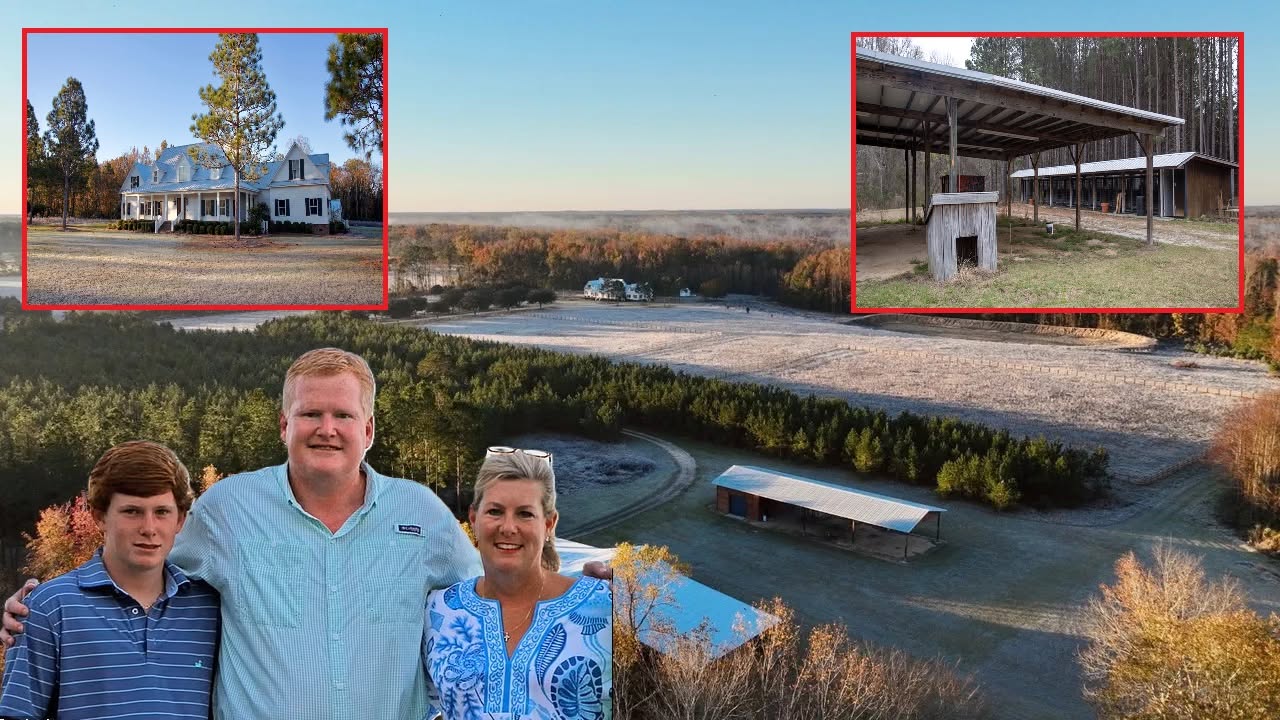
Alex Murdaugh’s Moselle Estate Is Off Market After $2.2 Million Listing Ahead of 2027 Murder Retrial
October 25, 2026 · By Roy Condrey Founder of DiedinHouse.com
The former Murdaugh estate at 4147 Moselle Road in Islandton, SC, remains off market after a $2.2 million listing as Alex Murdaugh prepares for a 2027 murder retrial.
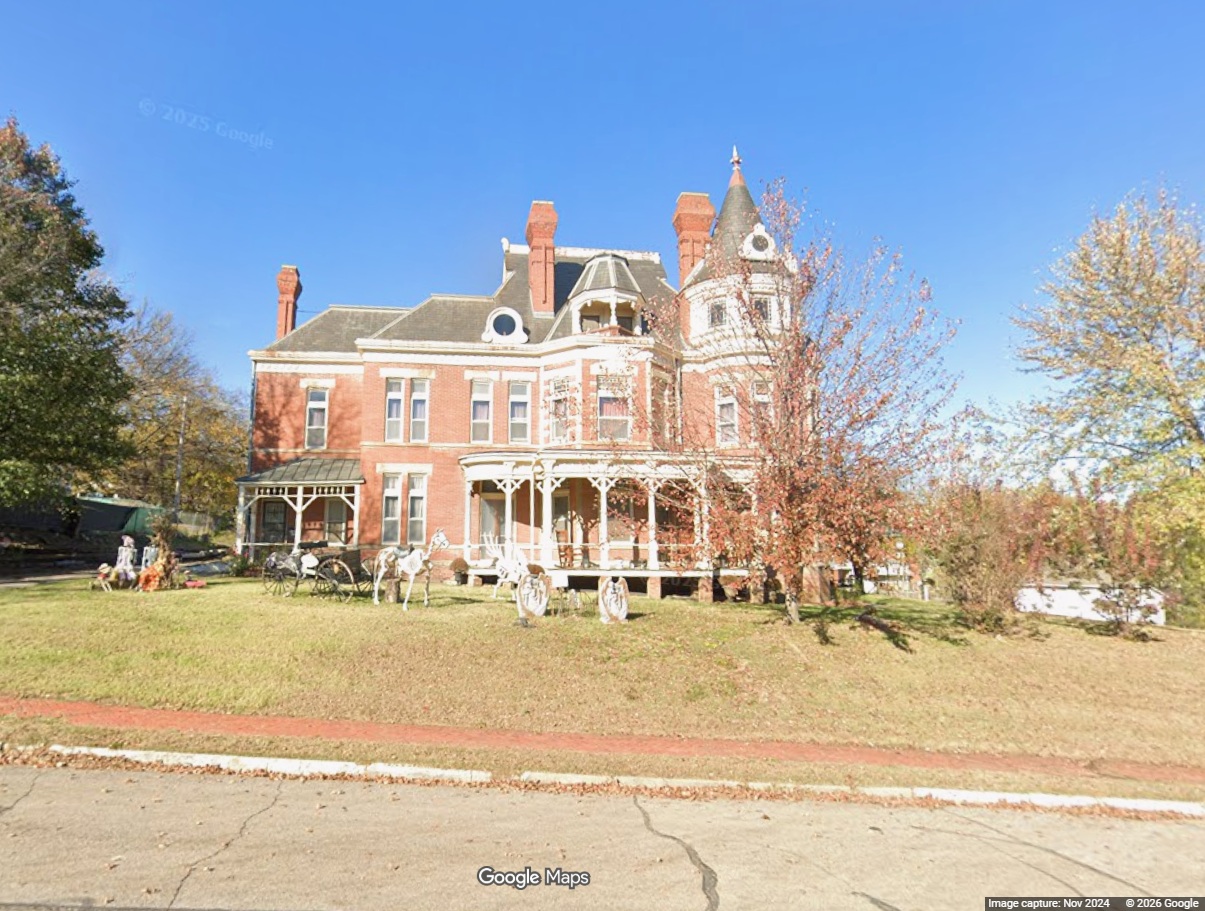
1301 Kansas Avenue: Deaths at Haunted McInteer Villa
October 25, 2026 · By Roy Condrey, DiedInHouse.com
Who died at 1301 Kansas Avenue? Explore the documented deaths, 1922 suicide and haunted history of McInteer Villa in Atchison, Kansas.

130 Lakeview Drive: The 48 Hours Mansion
October 24, 2026 · By Roy Condrey, DiedInHouse.com
Inside 130 Lakeview Drive, Celina, TN, where Julie Harding died and CBS's 48 Hours investigated a murder-for-hire case.
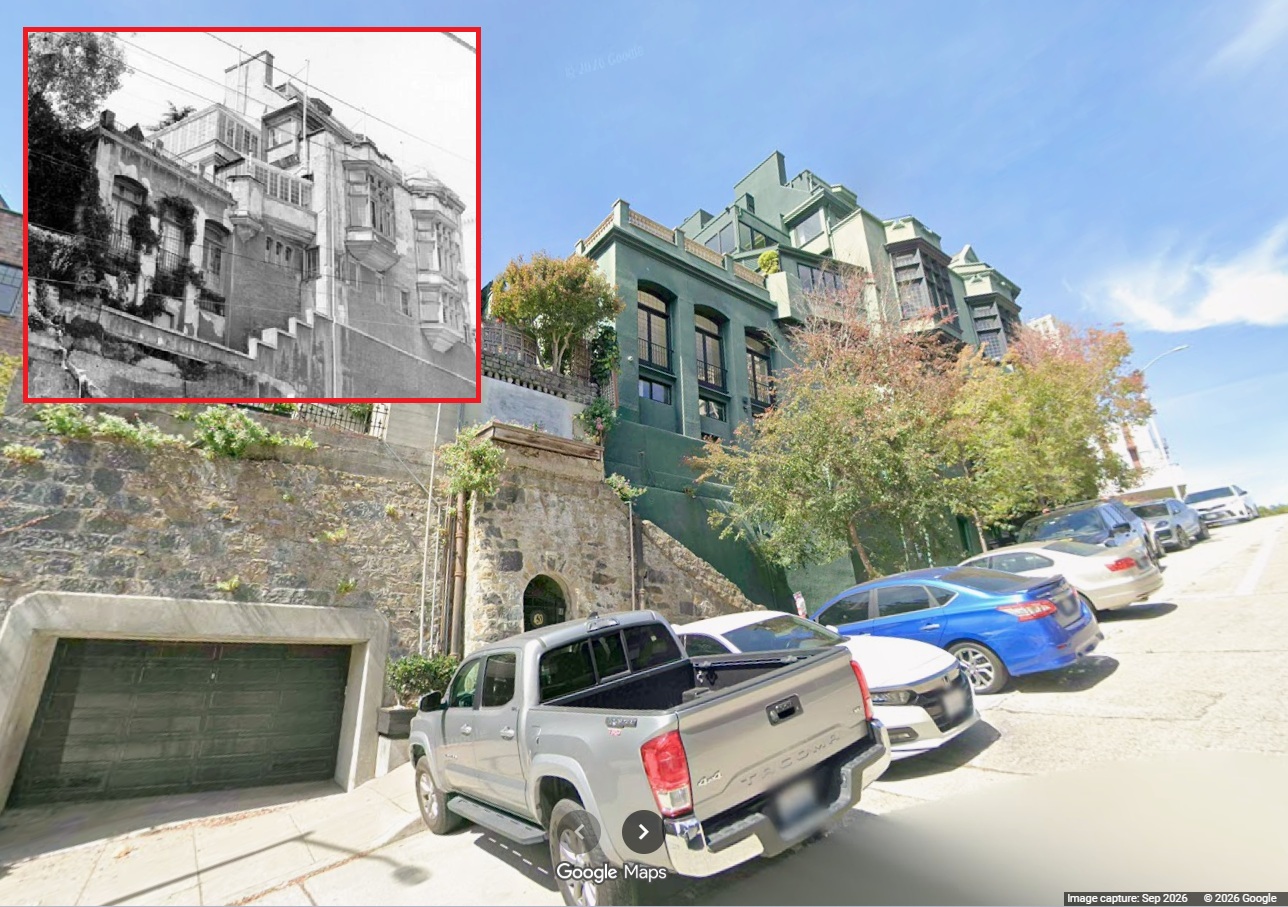
Verdier Mansion 1001 Vallejo Street: $25M San Francisco Mansion Has a Remarkable Past
October 23, 2026 · By Roy Condrey, DiedInHouse.com
Explore the remarkable history of 1001 Vallejo Street, San Francisco's $25M Verdier Mansion, linked to Sally Stanford, The OA and an opium den.
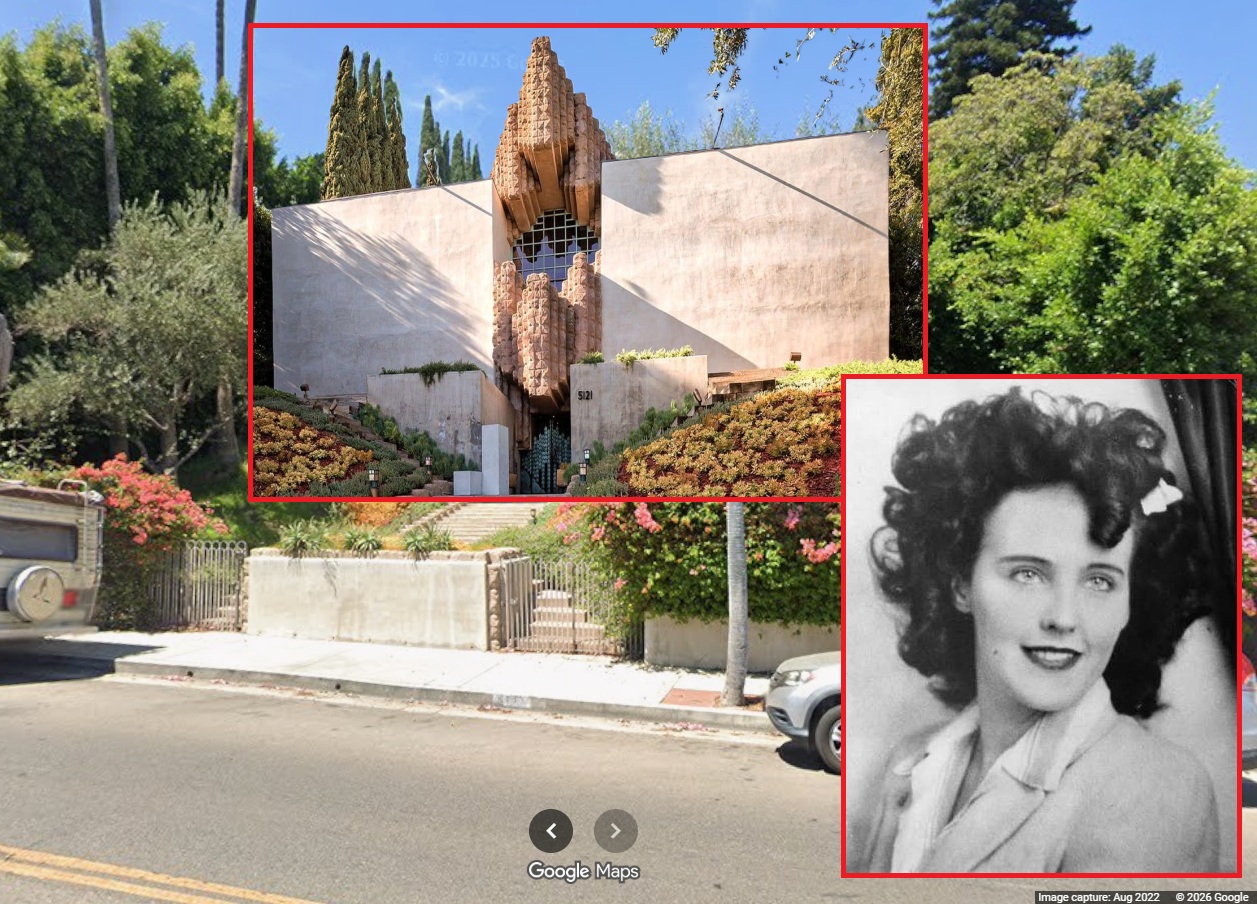
5121 Franklin Avenue: The House Linked to the Black Dahlia
October 22, 2026 · By Roy Condrey, DiedInHouse.com
Discover the history of 5121 Franklin Avenue, the Sowden House once owned by Black Dahlia suspect George Hodel, and its $6.16 million sale.
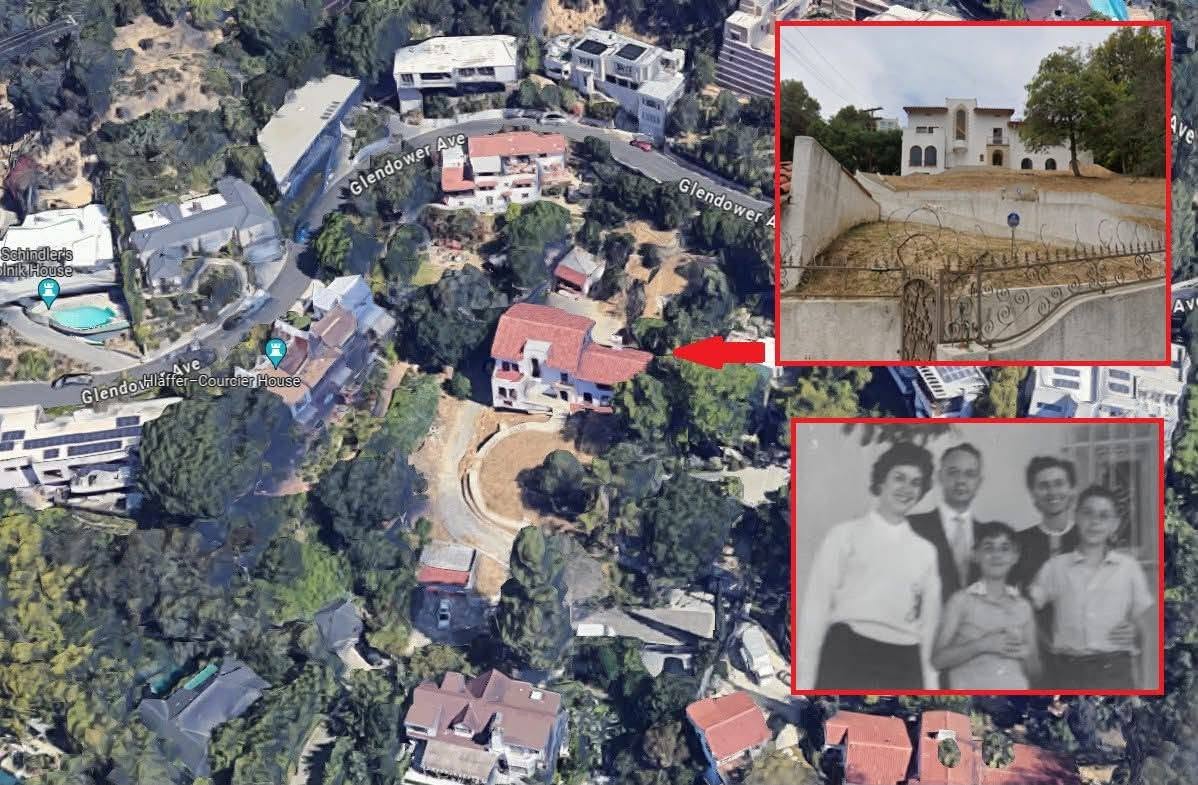
2475 Glendower Place: The Los Feliz Murder Mansion
October 22, 2026 · By Roy Condrey, DiedInHouse.com
Discover the true history of 2475 Glendower Place, the Los Feliz Murder Mansion, its 1959 tragedy, decades of vacancy, and real estate sales.

Investigators Return to 417 W. Chew Avenue as Search of Philadelphia House Enters New Phase - Update
October 21, 2026 · By Roy Condrey - DiedinHouse.com
Investigators returned to 417 W. Chew Avenue in Philadelphia as the investigation expands to seven missing women and more than one million digital files.

Death Disclosure Laws in All 50 States: What Buyers Must Know (2026)
October 18, 2026 · By Roy Condrey DiedinHouse.com
Do sellers have to disclose a death in a house? Explore all 50 state laws, hidden loopholes, real cases, and how to check a home's history before buying.
They Bought Their Dream Home, Then Learned Someone Had Been Murdered There
October 16, 2026 · By Roy Condrey, DiedInHouse.com
Shawn and Leah Crawford bought a Jacksonville home unaware of its murder history. Learn what happened at 2545 Blackstone Ct and what Florida buyers should know.
Jiko Bukken (事故物件): Death History of a House
October 15, 2026 · By Roy Condrey, DiedInHouse.com and HouseHas.com
What is Jiko Bukken (事故物件)? Learn how Japan handles homes with a history of death and how to research a U.S. property before buying or renting.
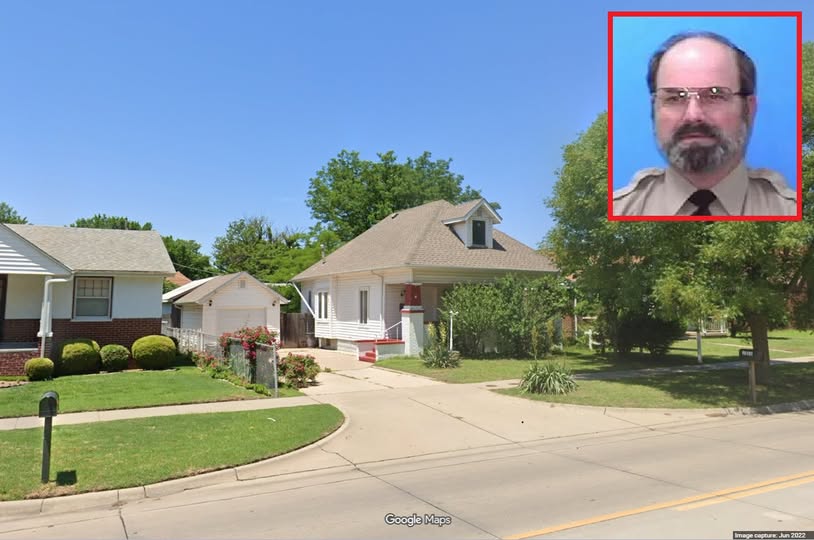
BTK Murder House: Buyer Didn't Know Its History | Wichita KS
October 14, 2026 · By Roy Condrey, DiedInHouse.com
A woman bought 1311 S. Hydraulic St., Wichita, unaware BTK killer Dennis Rader murdered Shirley Vian there. Learn the history and how to check a house.

Two Guests Died in a North Carolina Hotel Room. Six Weeks Later, It Reopened—and an 11-Year-Old Boy Died There Too.
October 14, 2026 · By Roy Condrey, DiedInHouse.com
Three people died in the same Boone, NC, hotel room in 2013. Discover what happened in Room 225 and how you can check a hotel's history before booking with DiedInHouse.com or HouseHas.com.
1165 Third St, Monterey CA: Murders, Remains & Lawsuit
October 13, 2026 · By Roy Condrey, DiedInHouse.com
A Monterey couple bought 1165 Third Street unaware of its murder history. Then human remains were found in their backyard, prompting a lawsuit.
8935 Wonderland Avenue: Jared Leto's $12M Air Force Mansion
October 12, 2026 · By Roy Condrey, DiedInHouse.com
Jared Leto's former mansion at 8935 Wonderland Avenue sold for $12M. Discover its secret Air Force history and reported buyer Palmer Luckey.
She Paid $610,000 for a House Where a Murder-Suicide Occurred. The Sellers and Their Realtors Knew but Never Told Her.
October 11, 2026 · By Roy Condrey, DiedInHouse.com
A woman bought 12 Pickering Trail in Thornton, PA for $610,000, unaware of a murder-suicide. The sellers and agents knew. Here's what happened next.

Why I Started DiedInHouse: What Sellers Don't Disclose
October 11, 2026 · By Roy Condrey, DiedInHouse.com
Why did Roy Condrey create DiedInHouse and HouseHas? Learn what sellers may not disclose and how a home's history could influence price and buyer decisions.