DiedInHouse.com: The Story Behind the Website Featured by Forbes, ABC News and Reuters
October 30, 2026 · By DiedinHouse.com
From a Haunted Rental to National Headlines: The Story Behind DiedInHouse.com and Why Property History Matters
How a late-night question about a haunted house became a national news story, attracted coverage from Reuters, ABC News, Forbes, and major real estate publications, and helped change the conversation about researching a home's past.
By DiedInHouse.com
October 30, 2026 12:14 PM EDT
Before You Buy a House, Wouldn't You Want to Know Its History?
Most homebuyers research nearly everything about a property before purchasing it. They compare prices, review school districts, inspect the roof, check the foundation, and examine the neighborhood.
But there's one question many never think to ask:
Has someone ever died in this house?
What about a murder, suicide, fire, or other serious incident that happened before the current owner moved in?
Those questions inspired the creation of DiedInHouse.com in 2013. What began as an attempt to answer a tenant's question eventually became a national news story, attracting attention from Reuters, ABC News, Forbes, Realtor.com, Inman, and numerous other publications.
More than a decade later, the underlying issue remains relevant: A home can have a history that isn't visible during a showing, revealed by an inspection, or required to be disclosed during a sale.
It Started With a Tenant Who Thought Her House Was Haunted
The story began when one of my tenants contacted me about unusual experiences in a rental property.
She wanted to know whether the house was haunted.
I couldn't answer that question, but it raised another one I thought should be relatively easy to investigate.
Had anyone ever died at the property?
I searched online and reviewed available records. What surprised me wasn't simply what I discovered about the property's history. It was how difficult the information was to find.
I assumed there would be a straightforward service for researching deaths at a residential address, similar to how consumers could research the history of a used vehicle.
There wasn't.
I also discovered something many homebuyers still don't realize: Depending on the state and circumstances, sellers and real estate agents may not be legally required to disclose a previous death or certain other events at a property.
That realization led to the development of DiedInHouse.com through Simply Put Solutions, Inc., a South Carolina technology company I founded in 2007.
The website launched in June 2013.
Our objective was straightforward: Make property-history research easier for people who wanted to know more before buying, renting, or investing.
2013: DiedInHouse.com Makes National Headlines
It didn't take long for the concept to attract attention.
In October 2013, the Houston Chronicle published “Website Will Tell You Who Died in Your House”.
The article examined the business and why the history of a property could matter financially to prospective buyers.
Around the same time, Observer published “Did Someone Die in Your House?”, discussing the concept of researching deaths and other historical events before committing to a property.
Then came international attention.
On October 26, 2013, Reuters published “U.S. Website Offers Morbid Glimpse Into Home's History”.
Reporter Laila Kearney described how the service was attracting homebuyers, paranormal investigators, and people curious about their homes.
Reuters reported that approximately 600,000 people had visited the website since its June launch.
On November 12, 2013, ABC News published “Website Tells Who's Died at Your House”, bringing the concept to an even wider audience.
ABC reported that the website had reached more than 730,000 monthly unique visitors.
For a small South Carolina technology company, the attention was extraordinary.
But the most important part wasn't the publicity. It was the realization that many people were asking the same question about properties they owned, rented, or planned to purchase.
2014–2015: From a Halloween Curiosity to a Real Estate Research Tool
Early headlines naturally focused on the unusual name and the possibility of haunted houses.
But the underlying issue was more practical.
Would knowing about a death or serious crime at a property change someone's decision to buy it?
Would they negotiate differently?
Would they still want to live there?
In 2014, the service received additional attention from publications including La Repubblica in Italy, Patch, and Construction Dive.
By 2015, major real estate publications were examining DiedInHouse.com as a buyer-research resource.
On October 26, 2015, Forbes published “This Website Can Tell You If Someone Died in Your House”.
Reporter Natalie Sportelli interviewed me about the company's beginnings, the technology behind the service, and why researching a property's history matters.
Forbes also tested five addresses through the database, reporting that the service correctly identified several documented property-history details.
The article reported that DiedInHouse.com had sold more than 40,000 reports by that point.
That same day, Inman, a leading real estate industry publication, published “DiedInHouse.com Gives Buyers Information on a Home's Morbid Past”.
The article discussed stigmatized properties, disclosure requirements, and how the service searches public and private records.
Realtor.com also featured the service in “Want to Know If Someone Died in Your House? Yes, There's an App for That”.
Other publications, including Boston Magazine, 6sqft, and The Vintage News, continued the discussion.
By then, the question had expanded well beyond whether a house might be haunted.
It was becoming a conversation about what buyers deserve to know before making one of the largest financial decisions of their lives.
2016–2026: The Question Continues to Attract Attention
National and regional media continued covering the service.
CBS Philadelphia, FOX6 Milwaukee, Click2Houston, KSAT, and other television news outlets published stories explaining how consumers could research deaths and other incidents connected to residential properties.
In June 2017, The Philadelphia Inquirer examined the broader legal issue in “When Selling a Home, Must You Disclose Its Unsavory Past?”.
The subject remained relevant because disclosure laws differ by state.
In October 2021, The Mortgage Note published “Want to Buy a Haunted House? There's a Website for That!”.
The article again examined DiedInHouse.com and the role property-history research can play in real estate decisions.
Across these years, the same theme kept appearing: Consumers want information about a home's past, but they don't always know where to find it.
In 2025, DiedInHouse.com introduced a monthly subscription offering unlimited Basic Reports through its property-history database and expanded internationally to the United Kingdom, Ireland, Australia, Canada, and South Africa. The company plans to continue its global expansion, bringing property-history research to additional countries over the coming year.
Why a Home Inspection Doesn't Tell You Everything
A home inspection is an important part of buying property.
But inspectors generally evaluate the home's physical condition, including structural components, plumbing, electrical systems, and other visible or accessible features.
An inspection isn't designed to uncover every historical event associated with the address.
Likewise, an appraisal primarily addresses property value. It doesn't automatically provide a comprehensive history of deaths, crimes, fires, or former occupants.
Seller disclosure forms are also limited by applicable state laws and the seller's knowledge.
This creates a potential gap in the homebuying process.
A property can appear attractive, pass an inspection, and receive an appraisal while still having a documented history the buyer would have wanted to know.
That history may not matter to every buyer.
But the decision about whether it matters should belong to the person purchasing or renting the property.
How DiedInHouse.com Researches Property History
DiedInHouse.com was developed to make the research process more accessible.
Rather than expecting consumers to spend hours searching separate government records, news archives, and historical databases, the service brings available information together.
DiedInHouse.com and its sister service, HouseHas.com, use proprietary technology to research information from public and private data sources.
Depending on the report and available records, research may include deaths associated with an address, reported crimes, fires, past residents, ownership information, property transactions, and other relevant history.
However, there's an important limitation.
No database contains every event that has ever occurred at every address.
Some historical records were never digitized. Others may be incomplete, unavailable, incorrectly recorded, or difficult to connect to a specific property.
Our technology helps expedite research, but it cannot guarantee that every death or incident will be discovered.
A report that doesn't identify a death is not proof that no death ever occurred.
For important decisions, consumers should also consult sellers, agents, neighbors, public records, and other appropriate sources.
Why We Created HouseHas.com — and Kept the Spooky Name
Over the years, the business evolved beyond its original focus on deaths in residential properties.
Customers weren't always interested in whether someone died at an address.
They wanted to know more about the property itself.
Who previously owned it?
What was its sales history?
Were there reported crimes, fires, or other events worth investigating?
What information might help them make a better purchasing or rental decision?
That broader interest helped shape the evolution of DiedInHouse.com and the development of HouseHas.com.
DiedInHouse.com remains closely associated with researching deaths and unusual property histories.
HouseHas.com provides an alternative identity for consumers interested in broader property research without the death-focused branding.
And yes, we kept the original name.
After all these years, DiedInHouse.com has grown into a broader property-history service. We just kept the spooky name.
Turns out, houses have more stories than ghost stories.
Before You Spend Thousands, Research the Address
Buying a home involves more than the purchase price.
Buyers may spend money on inspections, appraisals, surveys, financing, moving expenses, and repairs before or shortly after closing.
Learning something significant about a property's history after purchasing it can be frustrating, particularly when the information might have influenced the decision.
That's why our message is simple:
House History First. Then Inspection. Then Appraisal.
Think of it as a Pre-Inspection and Pre-Apprasal Report.
Before investing substantial time and money in a property, consider researching its history.
DiedInHouse.com and HouseHas.com offer different levels of research, including searches of existing property-history records, more extensive searches using proprietary technology, and Deep Investigation Reports for $49.99.
For customers seeking additional research, a Deep Investigation Report can examine available information about deaths, crimes, fires, ownership, sales history, property values, comparable properties, neighborhood concerns, and potential risks.
The information available varies by property, and no report replaces professional inspections, legal advice, title research, or other necessary due diligence.
But it can help buyers ask better questions before making a major commitment.
More Than a Decade Later, the Question Still Matters
When DiedInHouse.com launched in 2013, much of the initial attention centered on a simple and somewhat unsettling question:
Has someone died in my house?
Today, the broader question is even more useful:
What don't I know about the history of this property?
From Reuters and ABC News to Forbes, Realtor.com, Inman, and local news organizations across the country, the attention DiedInHouse.com received reflects a genuine consumer interest in understanding what happened at an address before they lived there.
A home's past won't always change someone's decision.
But sometimes it will.
And when you're preparing to make one of the biggest purchases of your life, knowing more is usually better than knowing less.
Know before you spend.
Research your next address at DiedInHouse.com or HouseHas.com.
Selected Media Coverage of DiedInHouse.com
For readers interested in the company's history, here are selected articles from the national, regional, and real estate industry media:
-
Houston Chronicle — Website Will Tell You Who Died in Your House (2013)
-
Reuters — U.S. Website Offers Morbid Glimpse Into Home's History (2013)
-
Forbes — This Website Can Tell You If Someone Died in Your House (2015)
-
Inman — DiedInHouse.com Gives Buyers Information on a Home's Morbid Past (2015)
-
Realtor.com — Want to Know If Someone Died in Your House? (2015)
-
The Philadelphia Inquirer — When Selling a Home, Must You Disclose Its Unsavory Past? (2017)
-
The Mortgage Note — Want to Buy a Haunted House? There's a Website for That! (2021)
You May Also Like

Feng Shui: Meaning, Principles & How to Feng Shui Your Home
October 29, 2026 · By Roy Condrey, DiedInHouse.com and HouseHas.com
Learn what Feng Shui means, its five elements, Bagua map, bedroom layout, house directions, and 15 practical tips for your home or a house you're buying.
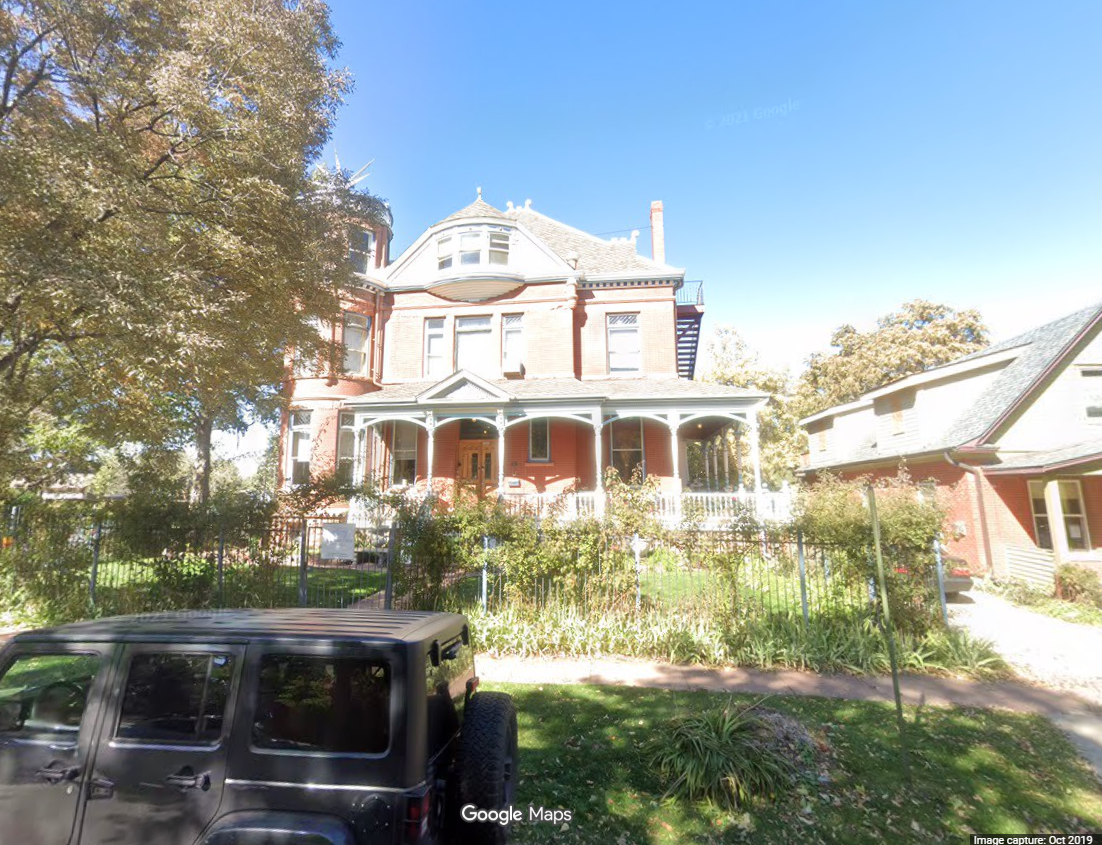
2555 W 37th Ave: Denver Murder Mansion for Sale
October 28, 2026 · By Roy Condrey, DiedInHouse.com
Denver's Lumber Baron Inn at 2555 W 37th Ave is for sale for $2.995M. Discover its unsolved 1970 double murder, reported hauntings and history.
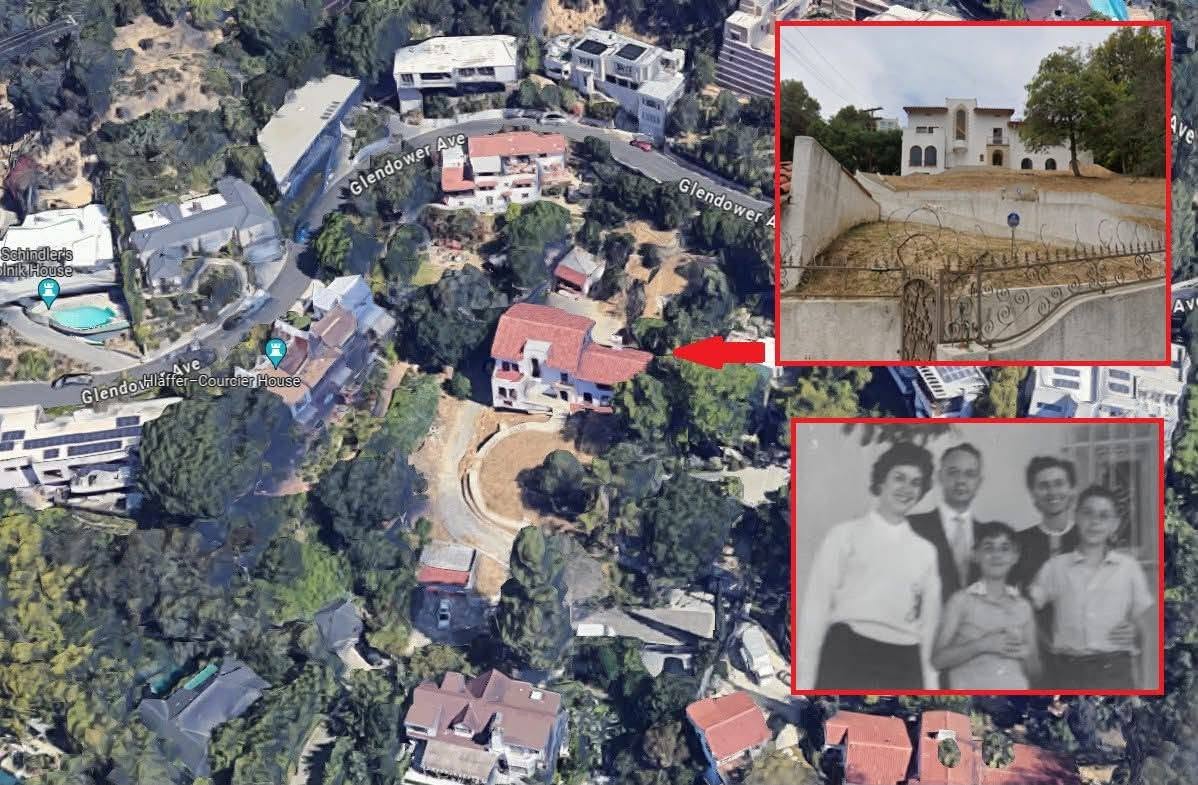
2475 Glendower Place: The Los Feliz Murder Mansion
October 22, 2026 · By Roy Condrey, DiedInHouse.com
Discover the true history of 2475 Glendower Place, the Los Feliz Murder Mansion, its 1959 tragedy, decades of vacancy, and real estate sales.

Does a Death in a House Affect Feng Shui?
October 20, 2026 · By Roy Condrey, DiedInHouse.com and HouseHas.com
Does a death in a house affect feng shui? Learn what traditions say, what sellers disclose, and how to research a home's history before buying or renting.

Death Disclosure Laws in All 50 States: What Buyers Must Know (2026)
October 18, 2026 · By Roy Condrey DiedinHouse.com
Do sellers have to disclose a death in a house? Explore all 50 state laws, hidden loopholes, real cases, and how to check a home's history before buying.
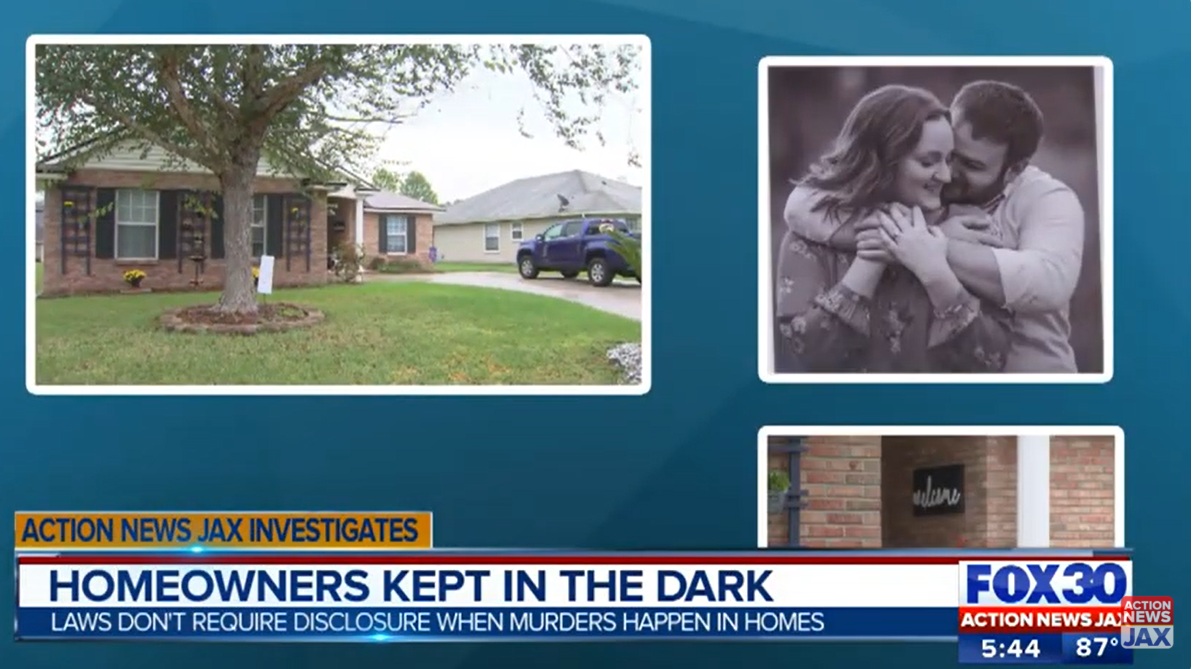
They Bought Their Dream Home, Then Learned Someone Had Been Murdered There
October 16, 2026 · By Roy Condrey, DiedInHouse.com
Shawn and Leah Crawford bought a Jacksonville home unaware of its murder history. Learn what happened at 2545 Blackstone Ct and what Florida buyers should know.

Jiko Bukken (事故物件): Death History of a House
October 15, 2026 · By Roy Condrey, DiedInHouse.com and HouseHas.com
What is Jiko Bukken (事故物件)? Learn how Japan handles homes with a history of death and how to research a U.S. property before buying or renting.
BTK Murder House: Buyer Didn't Know Its History | Wichita KS
October 14, 2026 · By Roy Condrey, DiedInHouse.com
A woman bought 1311 S. Hydraulic St., Wichita, unaware BTK killer Dennis Rader murdered Shirley Vian there. Learn the history and how to check a house.
Two Guests Died in a North Carolina Hotel Room. Six Weeks Later, It Reopened—and an 11-Year-Old Boy Died There Too.
October 14, 2026 · By Roy Condrey, DiedInHouse.com
Three people died in the same Boone, NC, hotel room in 2013. Discover what happened in Room 225 and how you can check a hotel's history before booking with DiedInHouse.com or HouseHas.com.
1165 Third St, Monterey CA: Murders, Remains & Lawsuit
October 13, 2026 · By Roy Condrey, DiedInHouse.com
A Monterey couple bought 1165 Third Street unaware of its murder history. Then human remains were found in their backyard, prompting a lawsuit.
She Paid $610,000 for a House Where a Murder-Suicide Occurred. The Sellers and Their Realtors Knew but Never Told Her.
October 11, 2026 · By Roy Condrey, DiedInHouse.com
A woman bought 12 Pickering Trail in Thornton, PA for $610,000, unaware of a murder-suicide. The sellers and agents knew. Here's what happened next.
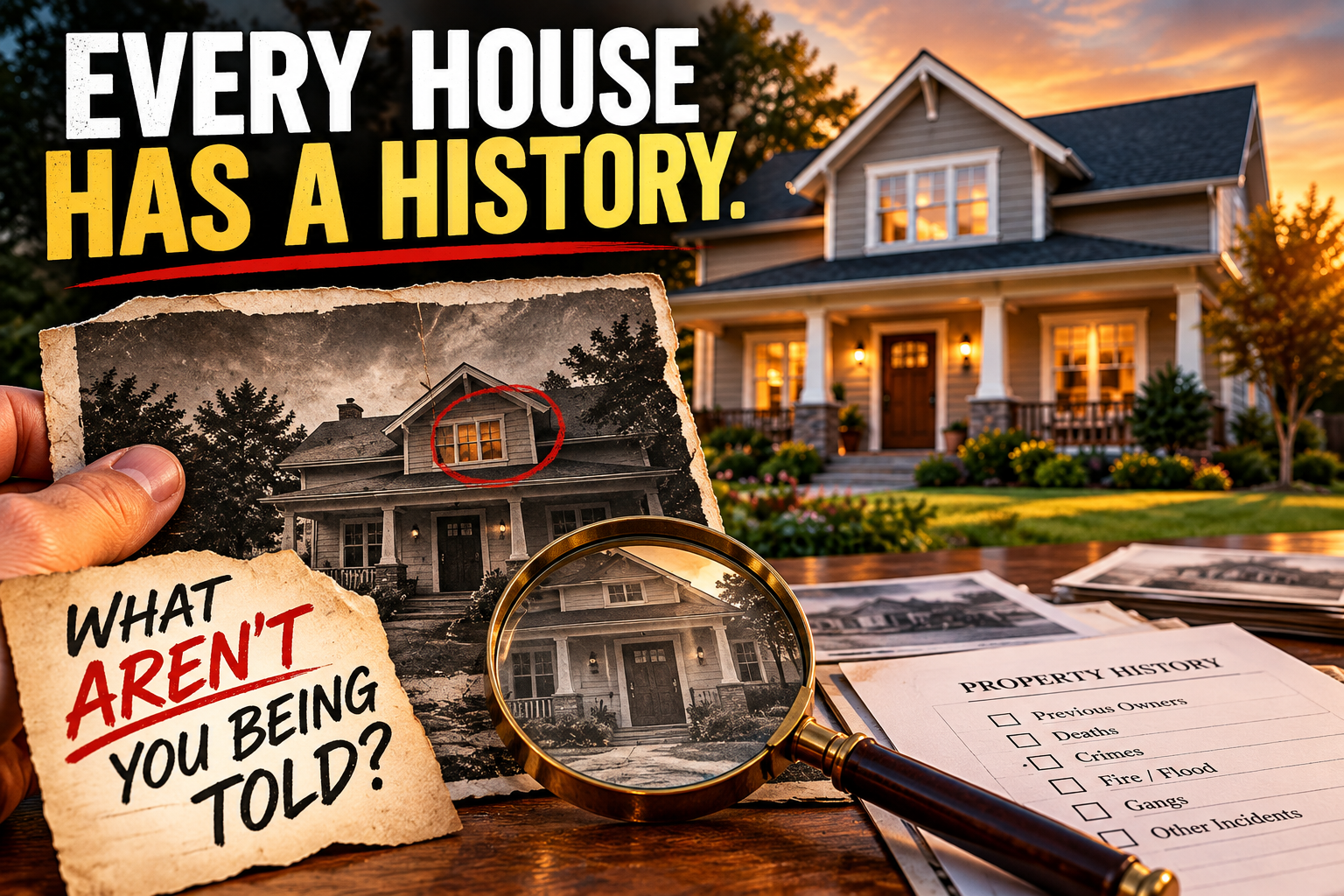
Why I Started DiedInHouse: What Sellers Don't Disclose
October 11, 2026 · By Roy Condrey, DiedInHouse.com
Why did Roy Condrey create DiedInHouse and HouseHas? Learn what sellers may not disclose and how a home's history could influence price and buyer decisions.
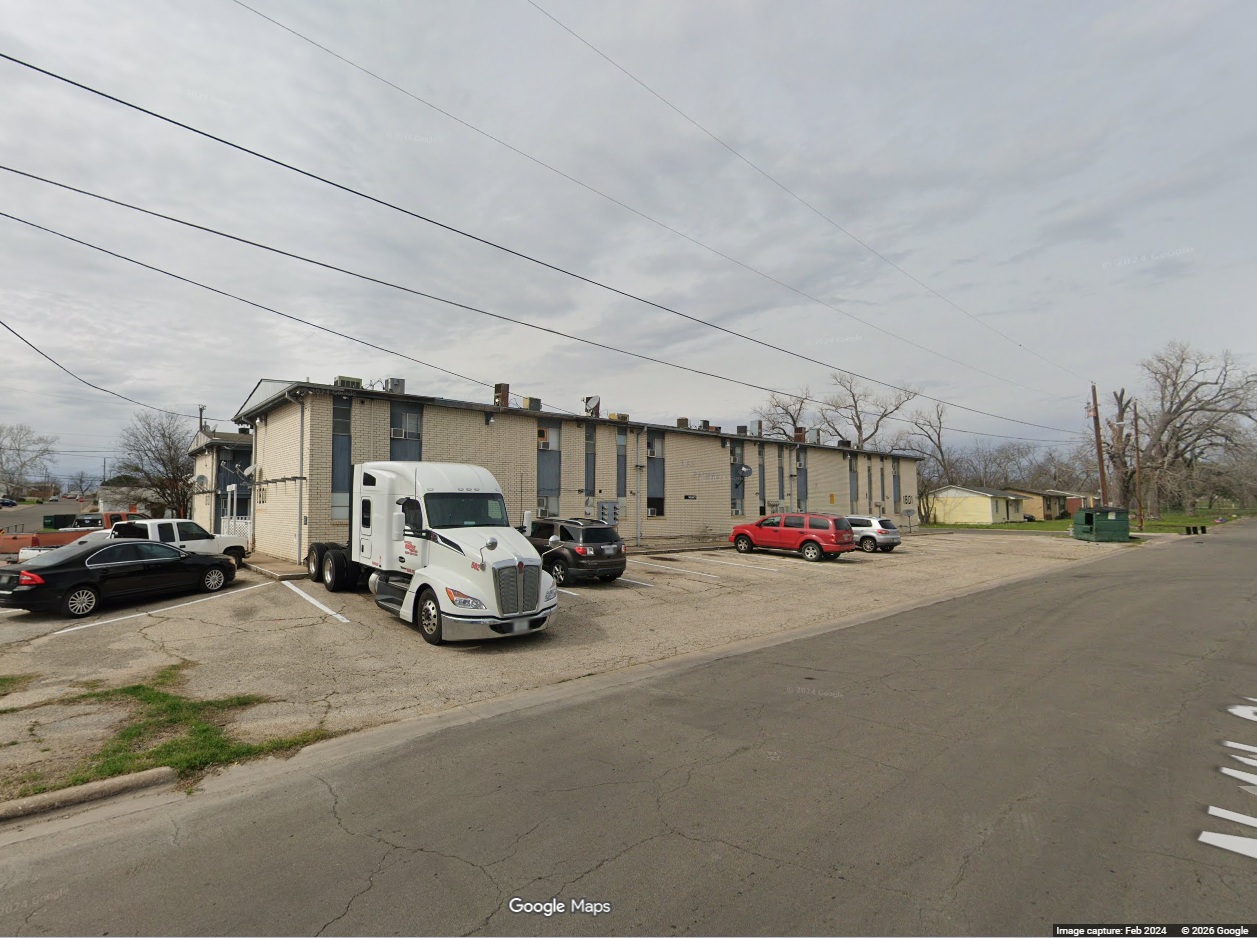
The Former Home of Fort Hood Shooter Nidal Hasan: 1801 N. 4th Street, Apartment 9, Killeen, Texas
October 09, 2026 · By Roy Condrey, DiedInHouse.com
Discover the history of Nidal Hasan's former apartment at 1801 N. 4th St., Unit 9, Killeen, TX, as his Fort Hood case returns to national headlines.
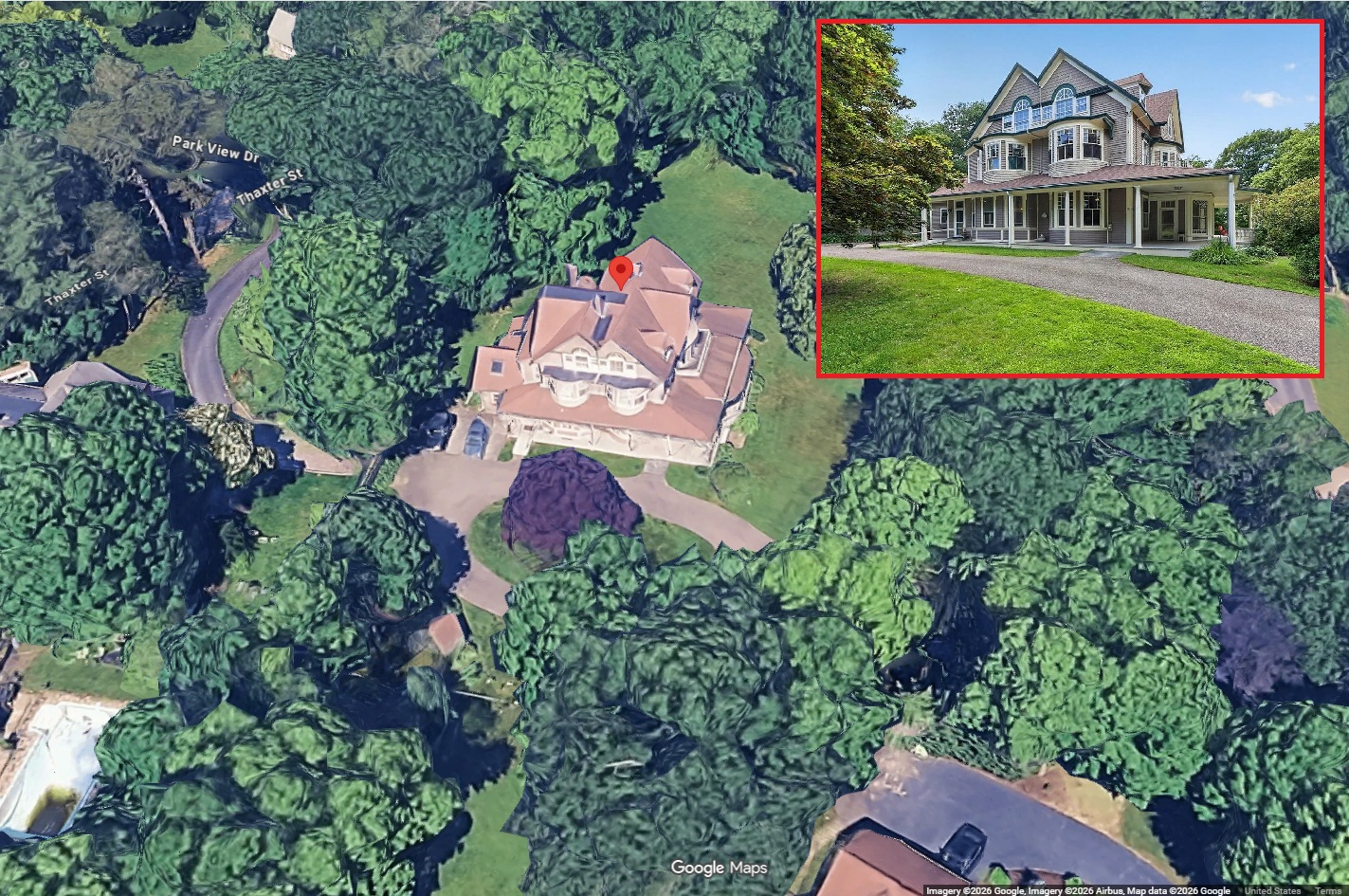
Historic Massachusetts “Haunted House” Is for Sale for $2.85 Million — and It Has a Secret Passageway
September 30, 2026 · By Roy Condrey Founder of DiedinHouse.com
The historic Abby Bradley Estate at 60 Bradley Hill Rd in Hingham, MA is for sale for $2.849 million. The 1860 Victorian was once known by neighborhood children as the local “haunted house” and even has a hidden passageway.
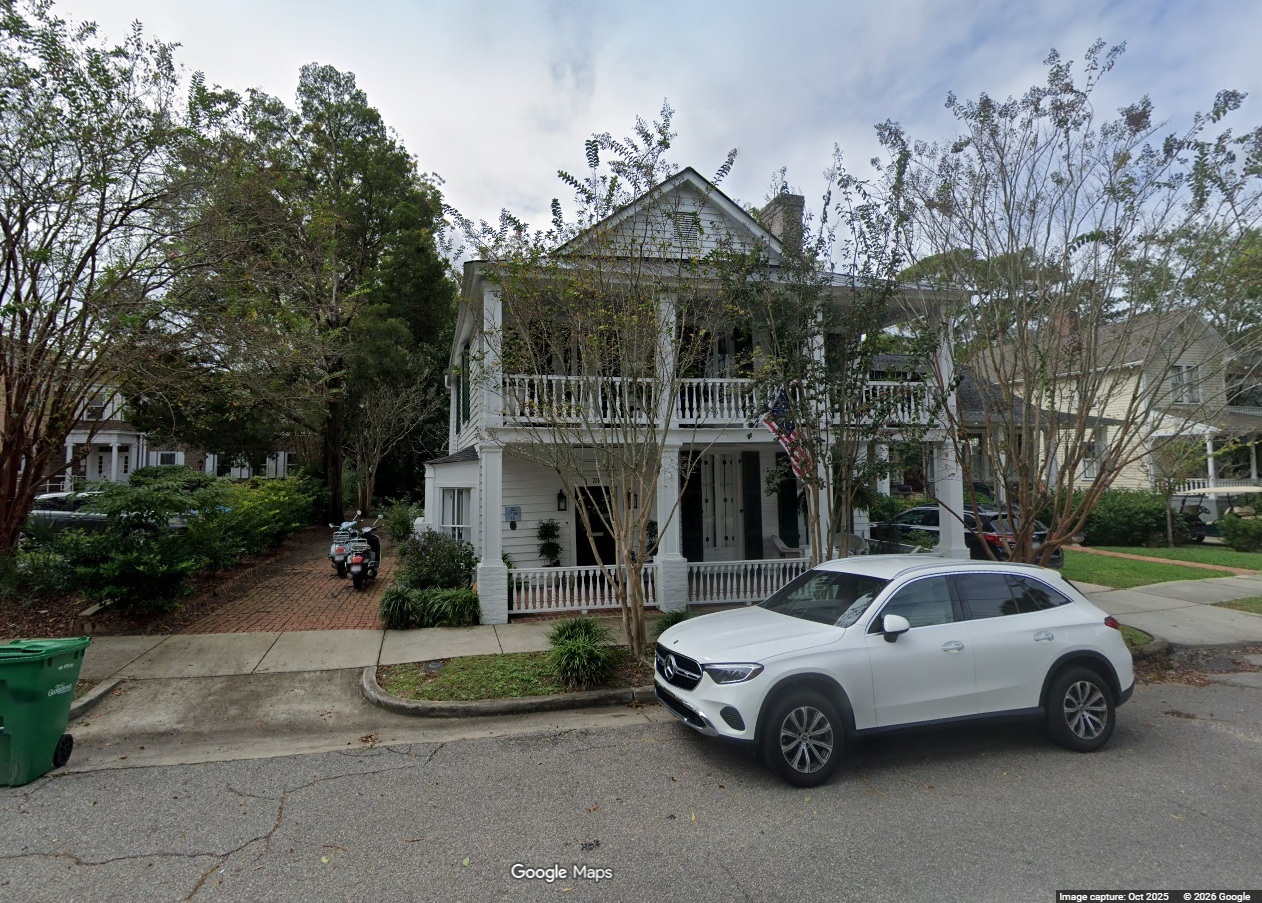
Just in Time for Halloween - Reportedly Haunted 1734 South Carolina House Is Already Under Contract
September 27, 2026 · By Roy Condrey Founder of DiedinHouse.com
A reportedly haunted historic house at 719 Prince Street in Georgetown, SC, was listed for $1.05 million and is already under contract. Here's its history
Hollywood’s Most Famous Vampire Took His Final Breath at 5620 Harold Way
September 26, 2026 · By Roy Condrey
Bela Lugosi died at 5620 Harold Way in Hollywood in 1956. Discover the Dracula star’s final home, burial story and the property’s history.
“She Had to Be the One”: The Scream Murder House at 11372 W. Whispering Cliffs Drive
September 26, 2026 · By Roy Condrey
Explore the history of 11372 W. Whispering Cliffs Drive in Pocatello, Idaho, where Cassie Jo Stoddart was murdered in 2006, and learn what happened to the house afterward.