Steps to Research the History of a House (Beginner Guide)
December 23, 2025 · By Roy Condrey DiedinHouse.com

How to Research the History of a House (Beginner Guide)
By Roy Condrey DiedinHouse.com
12/22/2025
Have you ever wondered who lived in your house before you? Every home has a past, and researching a house’s history can uncover fascinating and sometimes important details. Whether you’re buying a home, renting, renovating, or just curious, learning how to research the history of a house helps you better understand the property and the stories connected to it. This guide walks you step by step through how to research a house’s history using public records, archives, and other reliable sources.
Want to Skip the Manual Work?
👉You can search the full history of any property in seconds.
Researching the history of a house can reveal important details that aren’t always disclosed during a sale.
From past events to previous occupants, understanding a property’s background helps you make a more informed decision before buying, renting, or investing.
Why Property History Matters
Knowing a home’s history can help you:
-
Avoid unexpected surprises
-
Understand past events tied to the property
-
Make a more confident buying decision
-
Identify factors that could affect value or desirability
Some information may not be readily disclosed—so doing your own research is key.
Why Research the History of a House?
People research house history for many reasons, including curiosity about previous owners or residents, understanding renovations or structural changes, learning about the neighborhood’s past, identifying potential stigmas or notable events, preserving historical or architectural value, and gaining peace of mind before buying or renting. House history research isn’t just about uncovering dark stories it’s often about discovering how a home evolved over time.
Start With Property Records
The most reliable place to begin is your local county or city property records office, often called the assessor’s office or Register of Deeds. Property records can reveal the year the house was built, ownership history, sale dates and prices, property tax assessments, and parcel or lot changes. Many counties provide online access to these records at no cost.
Save Time by Checking Everything at Once
Instead of searching multiple sources individually…
👉Use a single report to see available records tied to a property
Check Building Permits and Renovation Records
Building permits show how the house has changed over time. These records may include additions or expansions, roof replacements, electrical or plumbing updates, structural repairs, and code violations. Understanding renovations can help explain odd layouts, closed-off rooms, or changes in square footage.
Search Census and City Directory Records
Historical census records list who lived at an address, along with names, ages, occupations, and household members. City directories can also help track residents year by year and often note street name or number changes, which is common in older neighborhoods.
Explore Newspaper Archives
Old newspapers are one of the most valuable tools for house history research. They may reveal obituaries, fires or accidents, crime reports, community events, legal disputes, and property sales announcements. Search by the full address, street name, or names of former owners or residents. Local libraries often provide free digital access to archived newspapers.
Research Deeds and the Chain of Title
A property’s chain of title shows every ownership transfer since the house was built. Following the chain can reveal sudden ownership changes, transfers after a death, foreclosures or bank sales, and family disputes. Unusual patterns may point to events worth researching further.
Check Probate and Court Records
If a previous owner passed away, probate records may exist. These documents can provide insight into estates and wills, inheritance transfers, and legal conflicts involving the property. Court records may also reveal lawsuits or criminal cases connected to past residents.
Use Historic Maps and Photographs
Historic maps and photos show how a neighborhood looked in the past. Helpful resources include Sanborn Fire Insurance Maps, USGS historical maps, local historical societies, and Library of Congress collections. These can reveal former buildings, changes to property lines, nearby industrial sites, and old road layouts.
Visit Local Historical Societies
Historical societies often maintain old photographs, oral histories, neighborhood records, architectural surveys, and local legends. They can help fill gaps when public records are incomplete.
Search Online Community Sources
Neighborhood Facebook groups, local forums, and community pages sometimes share old photos, memories of former residents, major neighborhood events, and unofficial but helpful local knowledge. While these sources should be verified, they can offer useful leads.
Understanding Address and Street Changes
Older homes may have had different street numbers, renamed streets, rural route addresses, or county annexation. When researching older properties, always cross-reference maps, directories, and records to confirm you’re tracking the same location over time.
What You Can Learn From House History Research
A thorough house history search can uncover the home’s original design and purpose, notable former residents, major renovations or repairs, neighborhood growth patterns, historical or cultural significance, and documented incidents tied to the property. Not every house has a dramatic story, but nearly all have an interesting one.
Common Challenges When Researching House History
You may encounter missing or incomplete records, address renumbering, inconsistent spellings of names, and limited digitized documents. Patience and cross-checking multiple sources usually lead to the best results.
Skip the Guesswork
Manual research can take time, and still leave you unsure.
Instead, you can check a property’s history in seconds and get a clearer picture before making a decision.
👉 Search any address now:
Frequently Asked Questions
· Is house history public information? Yes. Most property records, deeds, and permits are public unless sealed by a court.
· Can I find out if someone died in my house? Sometimes. Obituaries, probate records, and newspaper articles are the best sources.
· How far back can house history go? In some areas, records date back to the 1800s or earlier.
· Is researching house history difficult? It can take time, but many records are now online and accessible to beginners.
Final Thoughts
Researching the history of a house provides valuable insight into the property you live in or are considering. By combining public records, archives, and community knowledge, you can build a clear picture of a home’s past and make informed decisions about its future. Understanding a house’s history isn’t about fear it’s about awareness.
Reviewed and updated for accuracy in 2025. This article reflects publicly available real estate disclosure laws and commonly accepted legal interpretations.
Reviewed by DiedinHouse.com
You May Also Like
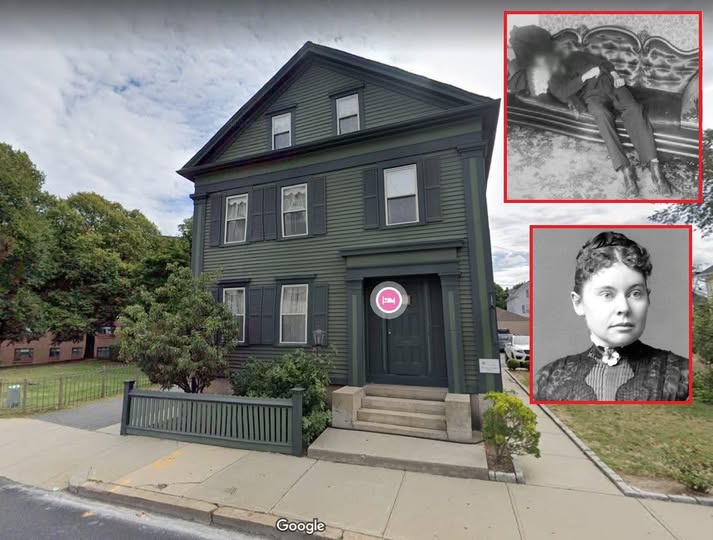
Lizzie Borden House: Murders, Hauntings & History
June 19, 2026 · DiedinHouse.com
Explore the Lizzie Borden House at 230 Second Street, Fall River. Discover the 1892 murders, alleged hauntings, and what happened to the historic home.
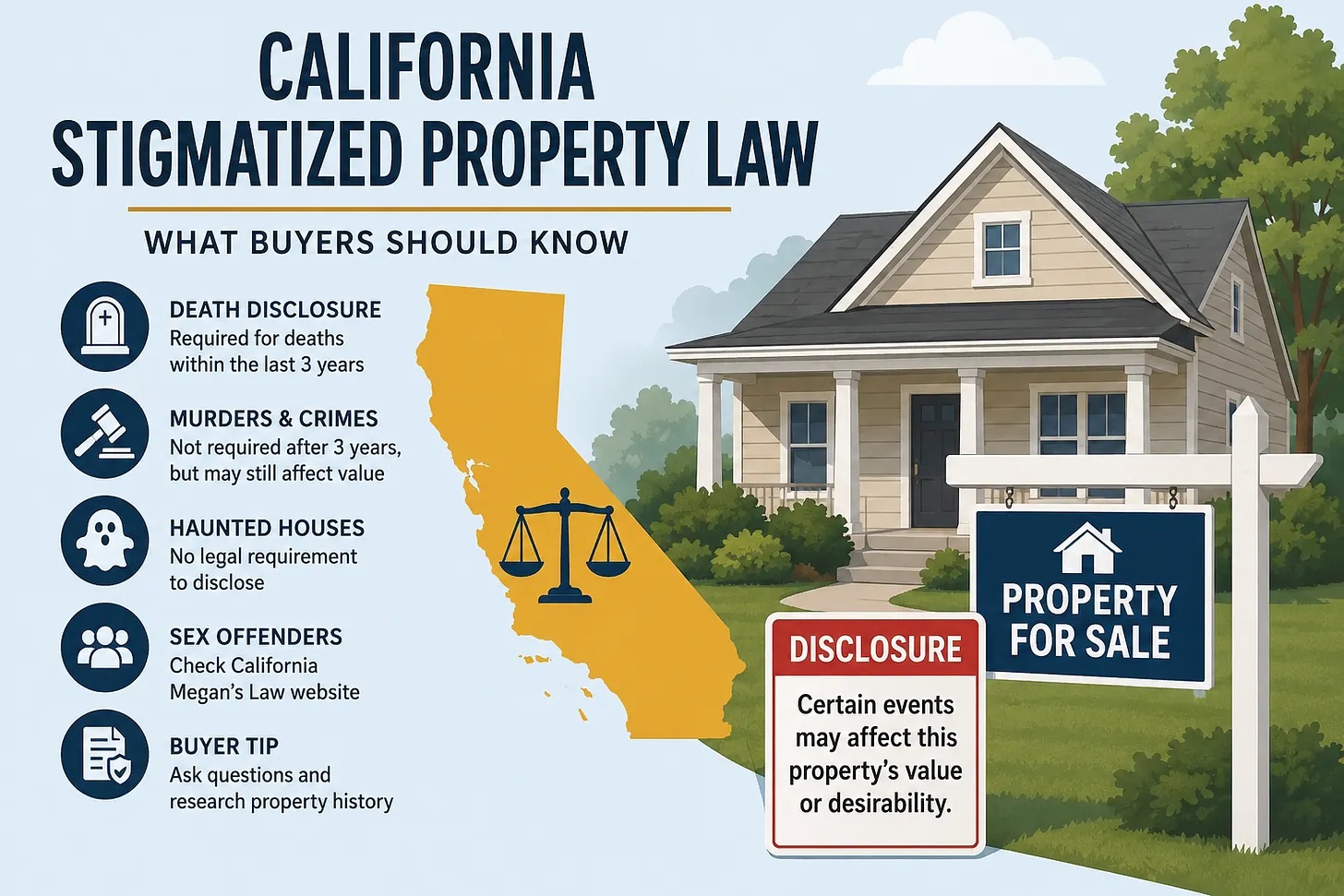
California Death Disclosure Law: What Sellers Must Reveal About Murders, Suicides, and Stigmatized Properties
June 11, 2026 · By Roy Condrey DiedinHouse.com
Learn California's death disclosure laws, what sellers must reveal about murders, suicides, and stigmatized properties, and how buyers can research a home's history.

Was This Business Location “Cursed”? How to Research a Commercial Property Before You Open There
June 11, 2026 · DiedinHouse.com
Some business locations seem unlucky. One restaurant closes, another moves in, then another disappears. Before opening a storefront, restaurant, office, bar, or retail shop, research the commercial address itself. The problem may not be a curse — it may be the location’s history, reputation, public records, prior incidents, or hidden property risks.
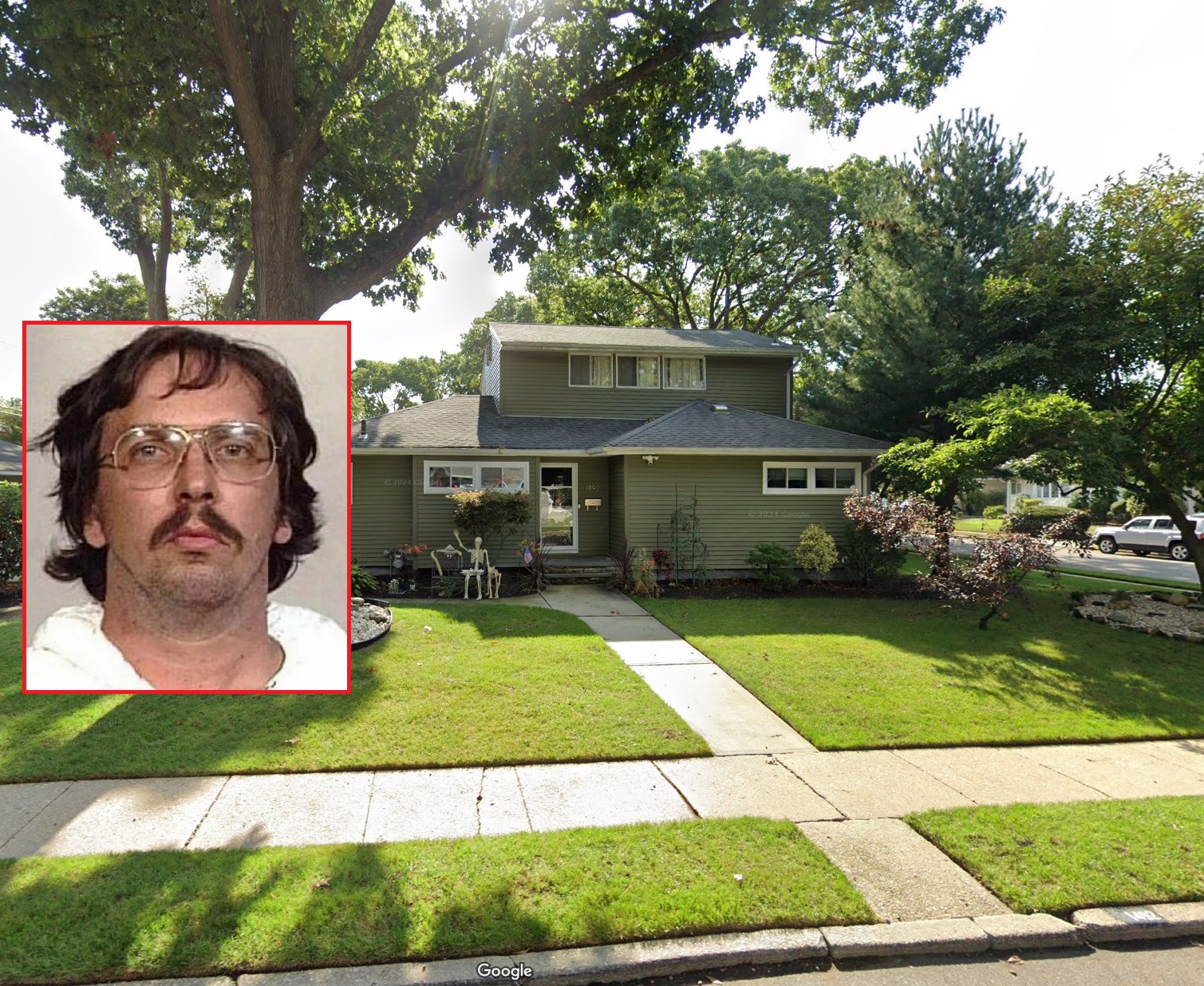
The Joel Rifkin House: 1492 Garden Street, East Meadow, NY 11554
May 27, 2026 · By Roy Condrey DiedinHouse.com and HouseHas.com
Serial killer Joel Rifkin’s 1492 Garden Street, East Meadow, NY 11554 home is coming back on the market, reigniting debate over murder homes and hidden property history.
Michigan Death Disclosure Law: Murder, Suicide, Haunted Houses & What Home Sellers Must Reveal (2026)
May 24, 2026 · DiedinHouse.com
Michigan death disclosure laws explained. Learn whether sellers must disclose murders, suicides, deaths, haunted houses, and stigmatized property history before selling a home.

What do Sellers Have to Disclose When You’re Buying a House in the UK. (And What You Might Not Be Told)
May 03, 2026 · DiedinHouse.com
Buying a home in the UK does not always mean every uncomfortable detail about the property will be volunteered before you make an offer. This guide explains what sellers and estate agents are expected to disclose, how “material information” works under newer UK consumer protection rules, whether deaths or crimes linked to a property must be disclosed, and why buyers should still carry out their own address-based research.
Georgia Death Disclosure Law: Murder, Suicide, Haunted Houses & What Home Sellers Must Reveal (2026)
April 24, 2026 · DiedinHouse.com
Georgia death disclosure laws explained. Learn whether sellers must disclose murders, suicides, deaths, haunted houses, and stigmatized property history before a home sale.

Now Available in the UK & Australia: Check the Hidden History of Any Address
February 10, 2026 · By Roy Condrey DiedinHouse.com
Most buyers and renters in the UK and Australia assume they’ll be told if a property has a troubling past — but that’s often not required by law. Important events like deaths or serious incidents may never appear in property listings. DiedInHouse.com now allows people in the UK and Australia to search an address and uncover publicly available property history information before they move in, helping them make informed decisions with confidence.

How to Sell a Stigmatized Property: A Practical, Legal, and Honest Guide
January 28, 2026 · By Roy Condrey DiedinHouse.com
Learn how to sell a stigmatized property legally and honestly, including disclosure laws, pricing tips, and buyer expectations.
Do Sellers Have to Disclose a Death in a House? Stigmatized Property Disclosure Laws (2026) by State
December 16, 2025 · By Roy Condrey, DiedInHouse.com
State-by-state guide to death disclosure laws, stigmatized properties, and what sellers and agents must legally disclose to buyers. Do sellers or Realtors have to disclose a death in a house? Learn 2026 state laws, murder and suicide disclosure rules, and what buyers should ask.